Tragedy Forces Maine Senate Campaigns To Halt Rallies, Reset Plans
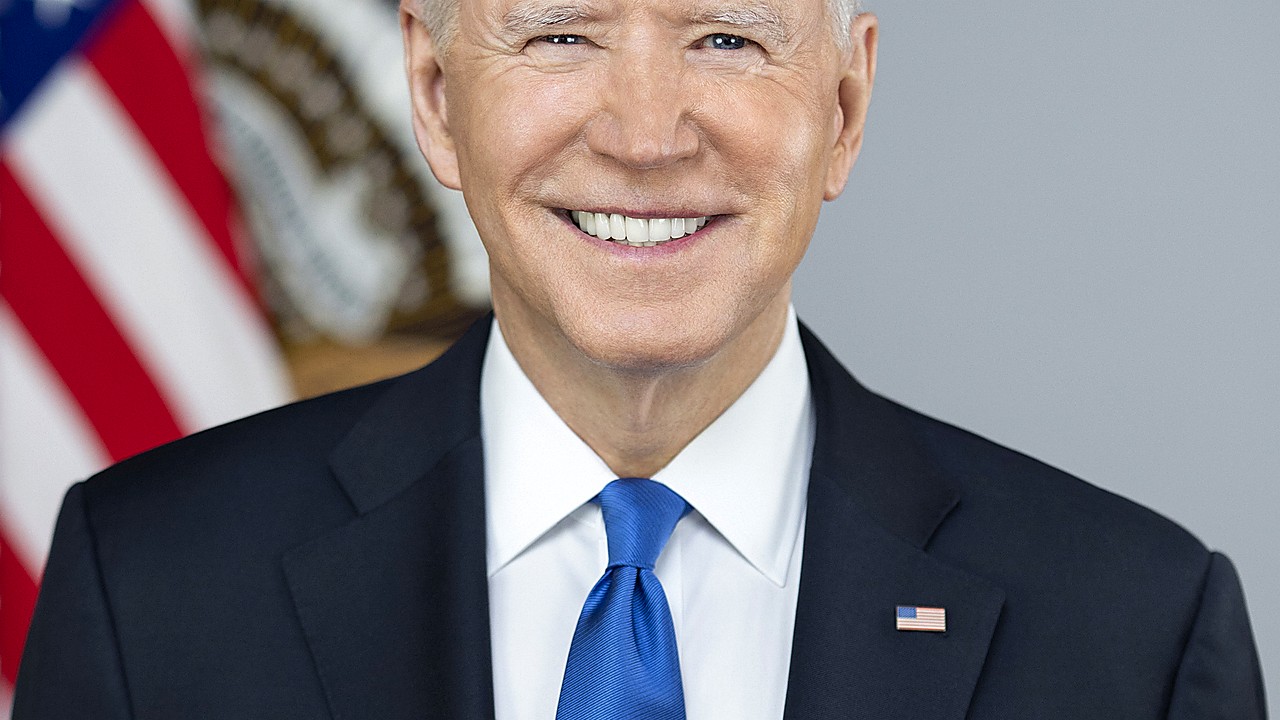
A sudden death has reshaped the timing and the political contours of Maine’s U.S. Senate race, forcing campaigns and party leaders to adjust plans that had been set for the months ahead.
The change centers on the death of a figure identified in recent reporting as Graham, whose fatal heart condition can strike without warning. The loss has altered the race’s timeline, affecting when decisions are made, how campaigns allocate resources, and what issues and relationships now come to the forefront.
The impact is being felt across Maine’s political landscape, where a Senate contest typically follows a predictable rhythm: fundraising targets, endorsement rollouts, staffing moves and public events planned well in advance. A tragedy, however, compresses that schedule, creates uncertainty around next steps and can upend the assumptions that candidates and strategists rely on when they map out a path to November.
It also changes the politics of the campaign. In a state where retail politics and personal ties play an outsized role, the death of an individual connected to the race can reverberate beyond a single campaign. It can shift who is elevated, who is expected to step back, and which voices become central as candidates and supporters process the loss.
The development matters because Maine’s Senate race is not only a contest for a single seat, but a high-stakes fight that can influence control in Washington. Even small changes in timing and organization can have outsized effects in a competitive statewide race, particularly if campaign decisions are accelerated or made under pressure.
It also matters for voters. A changed schedule can affect when the public hears from candidates, when debates and forums are scheduled, and how much time contenders have to define themselves before ballots are cast. It can reshape the pace of messaging and the issues campaigns emphasize as they move through the calendar.
For the candidates and parties involved, the immediate focus is on recalibrating. That includes internal decisions about staffing and strategy, revised timelines for public appearances and political events, and renewed outreach to supporters. It also includes the delicate task of navigating grief while still preparing for a campaign that does not pause for long.
What happens next will depend on the choices made in the near term as the race settles into its new timeline. Campaigns will have to decide how to proceed with planned announcements, fundraising pushes and voter contact programs, and state political leaders will need to manage the practical implications of a contest that has been altered by events no one anticipated.
The shift underscores a reality of American politics that is easy to overlook until it happens: campaigns are built on calendars, but they are still shaped by people, and a single tragedy can redraw the map overnight.