Bank Of Korea Raises Benchmark Rate To 2.75% After Long Pause
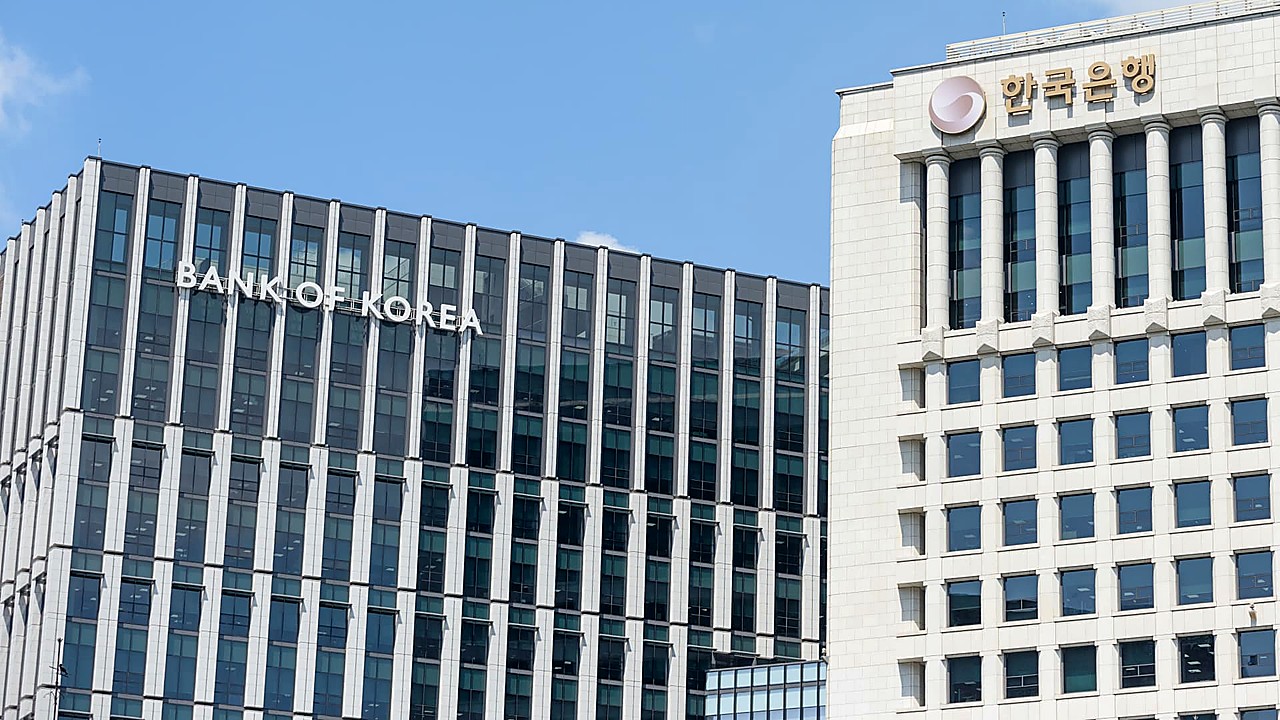
South Korea’s central bank raised its benchmark interest rate to 2.75%, delivering its first increase in more than three years.
The Bank of Korea lifted the base rate by a quarter percentage point from 2.50%, according to multiple reports including Reuters, CNBC, and local South Korean outlets. The move marks the first hike in roughly three and a half years after a long period of steady policy settings.
The decision was announced by the Bank of Korea in Seoul, where policymakers have been balancing price pressures with a currency that has been under strain. Reuters reported the central bank acted to combat inflation and address a slump in the won, while Nikkei Asia said the rate increase comes as the economy shows strength.
A 2.75% base rate is a key reference point across South Korea’s financial system, influencing borrowing costs for households, businesses, and the government. A change of 0.25 percentage point can filter quickly into consumer loan rates, corporate credit, and variable-rate mortgages, affecting spending decisions and investment plans.
The rate increase also signals a shift in the central bank’s posture after years of stability. For investors and companies operating in or with exposure to South Korea, changes in the policy rate are closely watched because they can affect capital flows, currency dynamics, and the pricing of risk in local markets.
The hike arrives at a moment when policymakers are emphasizing inflation control. A central bank tightening cycle, even at a gradual pace, can have broad consequences for economic activity by cooling demand and changing financial conditions. It can also influence expectations about how aggressively officials might respond if price pressures persist.
What comes next will be the bank’s guidance and subsequent policy meetings, which will determine whether this move is a one-time adjustment or the start of a longer series of increases. Market participants will be looking for additional clarity from the Bank of Korea on how it weighs inflation risks, currency moves, and overall economic momentum.
For now, the bank’s action draws a clear line under a multi-year pause and sets a new interest-rate benchmark for South Korea’s economy.