Google Vids Adds AI Avatars That Let Users Star In Videos
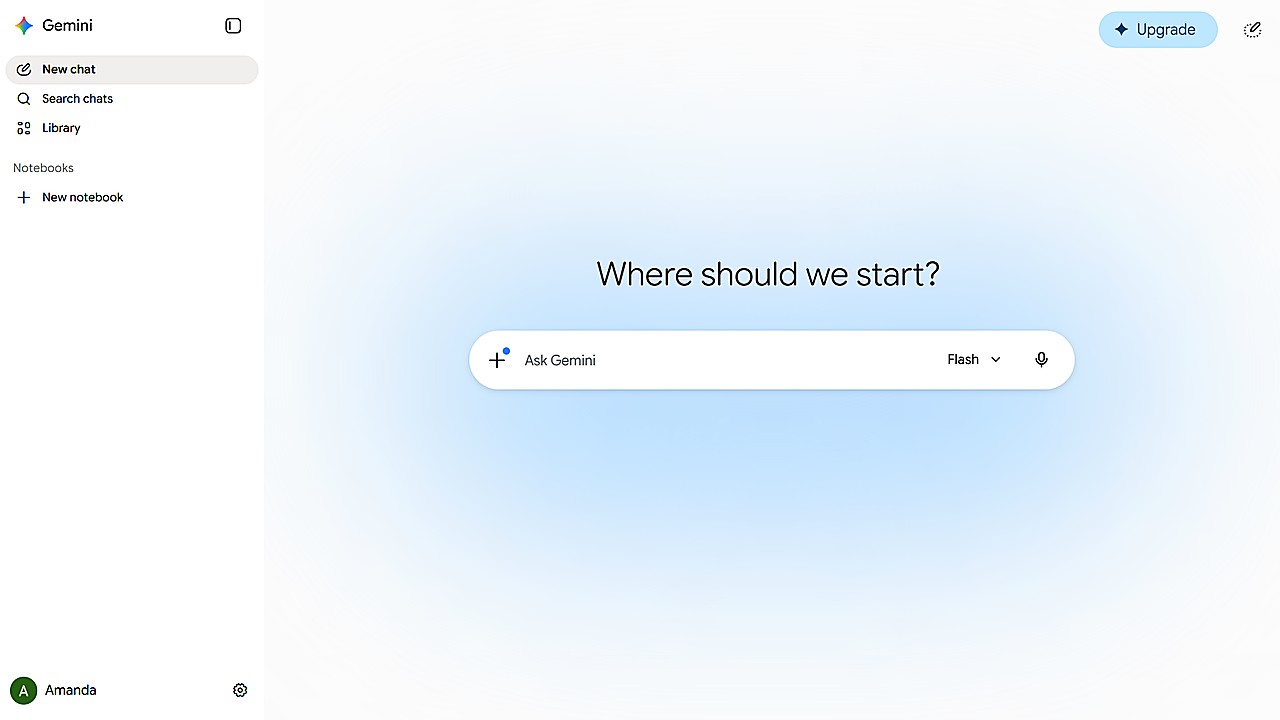
Google Vids, Google’s workplace video creation app, has added AI avatars that let users put a digital version of themselves into videos, expanding the product’s tools for generating and presenting content.
The new feature allows people to “star” in their own videos through an AI avatar option built into Google Vids. The capability is aimed at workplace communications, where teams often need short updates, training materials, and internal explainers without booking studio time or getting every presenter on camera.
Google Vids is positioned as a work-focused video tool, and the addition of AI avatars brings it closer to the kind of templated, fast-turnaround production features that have become common in business content software. In practical terms, the avatar feature is designed to help employees deliver messages consistently across teams, locations, and time zones.
The update matters because video has become a default format for internal communication, but it remains time-consuming to produce. Even basic videos require scheduling, repeated takes, and coordination among stakeholders. AI avatars can reduce friction for organizations that want a recognizable “presenter” while streamlining the process of creating frequent updates.
It also reflects a broader shift in enterprise software: AI tools are moving beyond drafting text and into media production, where they can create polished outputs from a set of inputs. For businesses, that can mean quicker turnaround on routine content such as onboarding modules, executive messages, and product walkthroughs.
The move arrives as AI-generated video continues to spread across consumer and professional platforms, with a growing number of tools turning existing assets—like images and camera rolls—into edited clips. For Google, adding AI avatars to Vids extends the company’s efforts to put generative features into productivity workflows rather than treating them as standalone creative tools.
What happens next will likely depend on how organizations adopt the feature inside existing communication and compliance practices. Workplace video often requires approvals, accessibility checks, and clear sourcing for visuals and scripts, especially in regulated industries. As AI avatars become part of that pipeline, companies will need to decide when they fit and when traditional recording is still preferred.
Google Vids’ avatar addition also puts the product in closer conversation with other business video platforms that offer templating and automated production features. For teams evaluating tools, AI avatars could become another differentiator alongside collaboration options, sharing controls, and integration into broader workplace suites.
For now, the update signals Google’s intention to make Vids a more complete solution for internal video creation, with AI-driven presentation features designed to help employees appear on-screen without being on-camera. As workplace communication keeps shifting toward short, repeatable video formats, the ability to generate a consistent “on-screen” presence may become a standard expectation rather than a novelty.