Bezos Backs CuspAI In Bid To Speed Chipmaking Materials
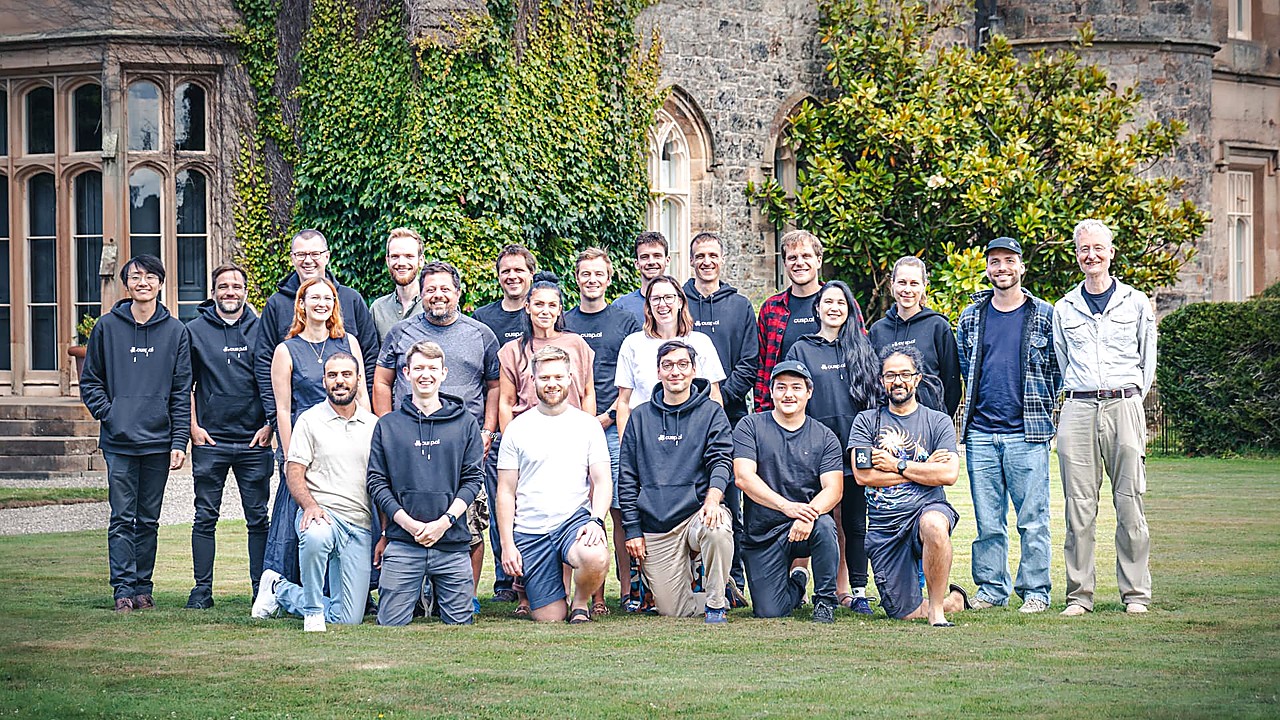
Jeff Bezos has backed CuspAI as the startup announced a partnership with Nvidia aimed at discovering new materials for chipmaking, adding fresh momentum to efforts to use artificial intelligence to accelerate semiconductor research.
CuspAI said it is working with Nvidia to hunt for materials that could be used in the manufacturing of computer chips. The company is positioning its technology around using AI systems to speed up materials discovery, a process that traditionally requires lengthy lab work and trial-and-error testing.
The investment backing includes Bezos, according to recent reports, alongside other supporters described in coverage as including Sovereign AI. Separate reporting has described CuspAI as having ties to Temasek backing. Accounts of the latest funding vary across outlets, with one report describing a $450 million raise and another describing a multibillion-pound figure connected to the company, underscoring that multiple rounds and jurisdictions may be involved.
The collaboration also draws in other major technology names. Coverage has described an alliance that includes Nvidia and Meta connected to the effort to identify chipmaking materials, though specific roles and commitments have not been detailed in the information provided.
The development matters because chipmaking is constrained not only by factory capacity and advanced tools, but also by the materials that can withstand extreme manufacturing conditions and deliver better performance. Any credible path to new materials could affect the pace of innovation in processors used in data centers, smartphones, and AI systems, where demand for more efficient and powerful chips has intensified.
AI-driven materials discovery is being watched closely across the semiconductor supply chain. If models can reliably identify promising compounds and narrow the field for physical testing, companies could cut down research timelines and potentially reduce costs, while opening doors to new chip architectures and manufacturing approaches.
For Nvidia, the partnership is another sign of how AI computing is being applied beyond chatbots and image generation into foundational industrial research. Nvidia’s computing platforms are widely used for training and running advanced AI models, including in scientific workloads where large-scale simulation and prediction can require significant computing power.
For Bezos and other investors, the bet signals continued interest in applying AI to hard science and manufacturing challenges. The semiconductor industry is capital-intensive and technically demanding, and progress often hinges on breakthroughs that can be difficult to predict or schedule.
Next steps will center on how CuspAI and its partners operationalize the collaboration, including which material targets they prioritize and how quickly candidates can be validated. As with any materials work connected to chip manufacturing, lab confirmation and compatibility with existing production methods will be critical before any discoveries can move toward industrial use.
With major investors and prominent tech partners now associated with the effort, CuspAI is moving into a higher-profile phase as it tries to turn AI-driven materials research into practical advances for the chips that power modern computing.