Alphabet Cash Burn Sparks Big Tech Alarm As AI Spending Climbs

Alphabet’s rising cash burn is drawing new scrutiny on how much Big Tech is spending to build out artificial intelligence, as investors and analysts weigh whether the pace of investment can be sustained without pressuring margins and free cash flow.
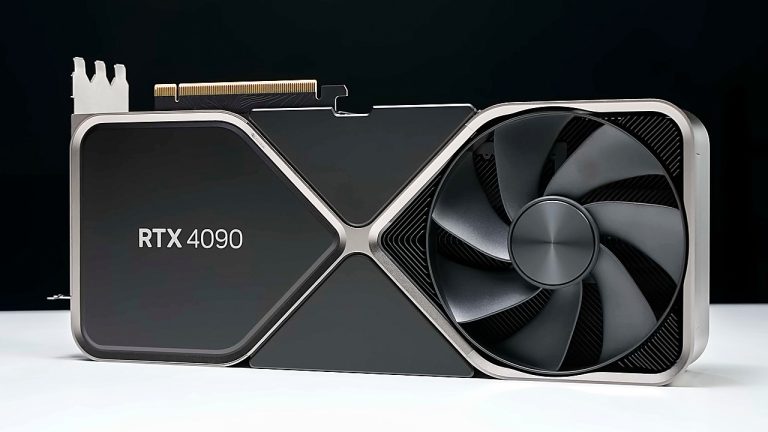
The focus is on Alphabet, the parent company of Google, whose spending on AI-related infrastructure has become a flashpoint in broader debates about capital intensity across the largest U.S. technology companies. The concerns extend beyond Alphabet because the most competitive AI systems require enormous computing resources, including data centers and specialized chips, and that buildout is being pursued by multiple industry leaders at the same time.
Alphabet’s investment push underscores how quickly the economics of the tech sector are changing. For years, the largest platforms benefited from relatively asset-light models compared with industrial companies. The AI era is different, requiring significant upfront spending to train and operate advanced models and to deliver AI features at scale to consumers and businesses.
This development matters because cash flow is closely watched as a measure of a company’s financial flexibility. When cash burn rises, it can limit room for share repurchases, acquisitions, and other strategic moves, and it can amplify investor sensitivity to earnings performance. It also raises the stakes for turning AI investments into products and services that generate durable revenue.
The scrutiny on Alphabet also has implications for competitive dynamics. If the leading firms continue to pour money into compute and infrastructure, the gap between the biggest companies and smaller rivals could widen. At the same time, sustained heavy spending increases the pressure on the largest companies to show clear returns, particularly as AI is integrated into core products and enterprise offerings.
Market attention to cash burn is arriving as AI spending becomes one of the dominant themes in global equities. Investors are balancing optimism about long-term AI adoption with shorter-term questions about whether spending is running ahead of monetization. Alphabet’s situation is being viewed as a bellwether for how those tradeoffs may look across the sector.
What happens next will likely hinge on Alphabet’s upcoming financial updates and the company’s guidance around capital expenditures, operating costs, and expected benefits from AI deployments. Investors will be watching for clearer signals on timelines for returns, the durability of demand for AI-powered products, and whether spending levels stabilize or continue to rise.
For now, Alphabet’s cash burn is intensifying a central question for the tech industry: how much it will cost to lead in AI, and how quickly that cost can be translated into sustainable growth.