Teen Suspect In Apalachee High Shooting Faces Plea Hearing
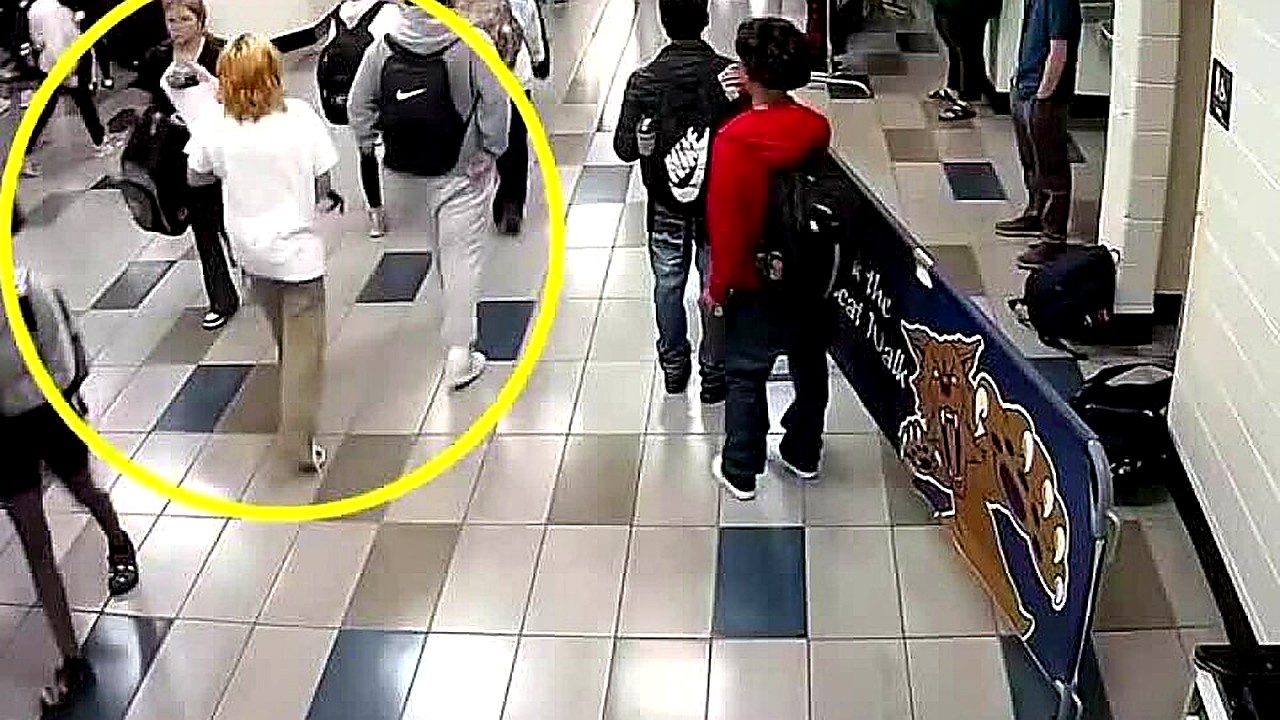
A teen accused of carrying out a deadly shooting at Apalachee High School in Georgia is scheduled to appear in court for a combined plea and sentencing hearing, a proceeding that could bring a major turning point in the criminal case tied to the attack.
The defendant, identified in published reports as Colt Gray, is expected in court as prosecutors and the defense address the charges stemming from the shooting at Apalachee High School. Multiple news outlets reported the hearing is set to cover both a plea and sentencing, signaling the case has moved beyond pretrial litigation and toward a resolution in open court.
CBS News reported Gray pleaded guilty to all charges at the hearing. Other outlets, including ABC News, reported the teen was set for a plea and sentencing hearing in the case. The hearing has drawn significant public attention, with local news organizations broadcasting live coverage from the courthouse.
The proceedings focus on the criminal accountability phase following a school shooting that left people dead and shook the Apalachee High School community. A guilty plea in a case of this magnitude can spare victims’ families and survivors the uncertainty and length of a trial, while also establishing a formal legal record of responsibility through an in-court admission.
A sentencing hearing also determines how the justice system will punish the defendant under Georgia law. That stage typically includes arguments from prosecutors and defense attorneys, and may include statements from victims, relatives, or others impacted by the violence. The sentence imposed can shape how the community understands the legal outcome and what lasting consequences the defendant will face.
Beyond the courthouse, the case remains a stark reminder of the toll of gun violence in schools and the long legal aftermath that follows a single day of trauma. For families tied to Apalachee High School, the plea and sentencing process is a major milestone that can influence healing, memorial efforts, and how the broader community marks what happened.
What happens next depends on the judge’s decisions in the plea and sentencing phases and on what is entered into the court record. If a guilty plea is accepted, the court will move to finalize the conviction and impose a sentence. The judge may also set additional dates if any issues remain unresolved or if the court needs more information before sentencing can be completed.
Once sentencing is issued, the case can still continue through post-sentencing motions or appeals, depending on what is permitted under the law and the terms of the plea. But the hearing itself is the central moment in which the court formally addresses both culpability and punishment in one setting.
For a community still carrying the weight of a deadly school shooting, the plea and sentencing hearing puts the legal system’s response into sharp focus, with consequences that will endure long after the courtroom clears.