Trump Signs Orders Targeting Birthright Citizenship, Border Rules
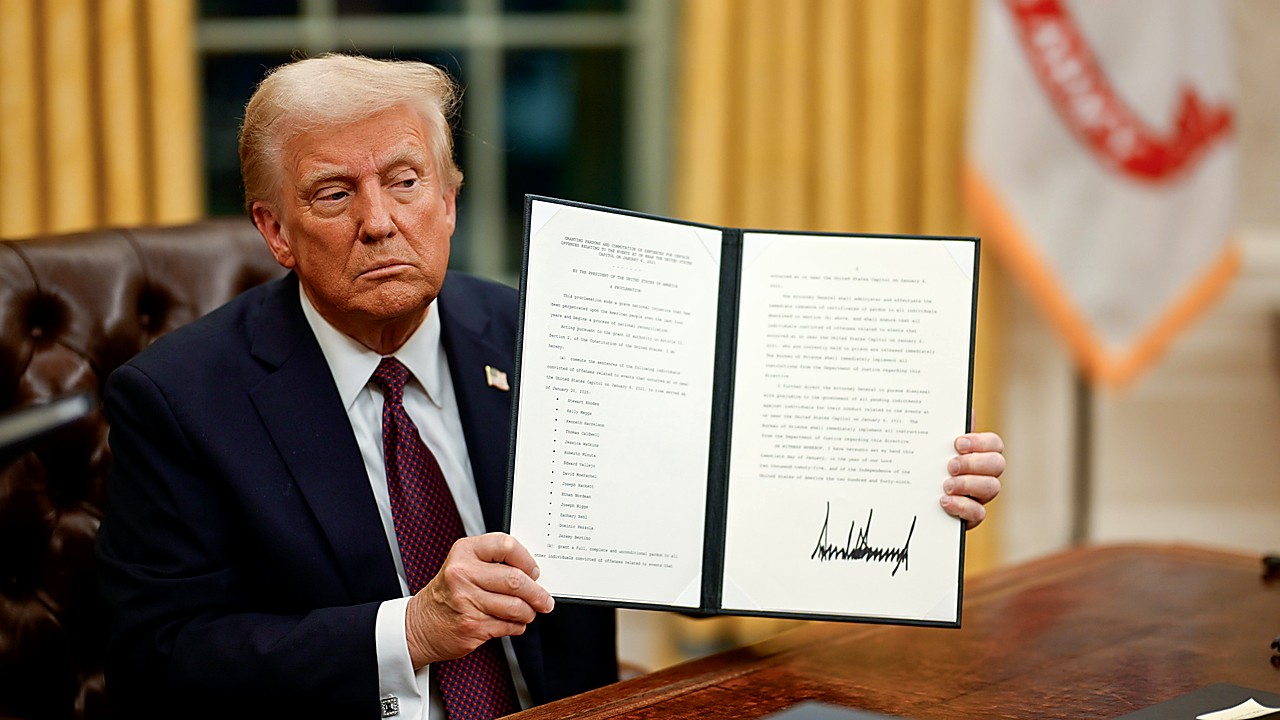
Former President Donald Trump signed a new set of executive orders aimed at limiting birthright citizenship, renewing a long-running push that has drawn immediate legal and political scrutiny. The actions come after a recent Supreme Court ruling that Trump’s critics and allies have cited in arguments over how far a president can go through executive authority.
The executive orders target birthright citizenship and include provisions aimed at what the orders describe as “birth tourism,” according to reports from Reuters and The Hill. Multiple outlets, including CBS News and ABC7 in New York and Los Angeles, reported that Trump signed the orders as part of a broader effort to tighten immigration policy through executive action.
Birthright citizenship, grounded in the 14th Amendment, has been a central flashpoint in immigration debates for years. Any attempt to limit it through executive orders is likely to face swift challenges over constitutionality and federal authority, and it would test how agencies implement directives that touch core questions of citizenship and eligibility for government documentation.
The development matters because it goes directly to who is recognized as a U.S. citizen at birth and how the federal government processes and verifies that status. Changes in guidance could affect how documents are issued, how cases are reviewed, and what standards are applied when parents’ immigration status is part of the record.
It also matters politically. Birthright citizenship is a potent issue in national campaigns, and renewed action by Trump places it back at the center of immigration messaging. It forces a response from federal agencies, lawmakers, and state officials, and it sets up another high-stakes legal fight that could shape the boundaries of executive power.
Details on exactly how the orders would be carried out, including which agencies are directed to act and what timelines are involved, were not fully spelled out in the related coverage cited here. The reports do indicate that the orders are explicitly designed to restrict the long-standing practice of citizenship for children born on U.S. soil, with an additional focus on travel for the purpose of giving birth in the United States.
Trump has previously sought to curtail birthright citizenship and has argued that the practice is being abused, while opponents have maintained that it is clearly established in the Constitution and cannot be undone by executive action. USA Today described the new move as a renewed effort after a Supreme Court loss, underscoring that the legal terrain has already been contested.
What happens next will likely unfold on two tracks: implementation and litigation. Federal agencies could be instructed to revise internal guidance or enforcement priorities, while advocacy groups, affected individuals, and states may move quickly to challenge the orders in court. Any legal challenges could seek emergency rulings to block the directives while judges consider the broader constitutional questions.
The executive orders set up a fresh collision between presidential authority and one of the most foundational definitions in American law—who is a citizen from the moment they are born.