AI And Crypto PACs Spend Millions In Illinois Primaries
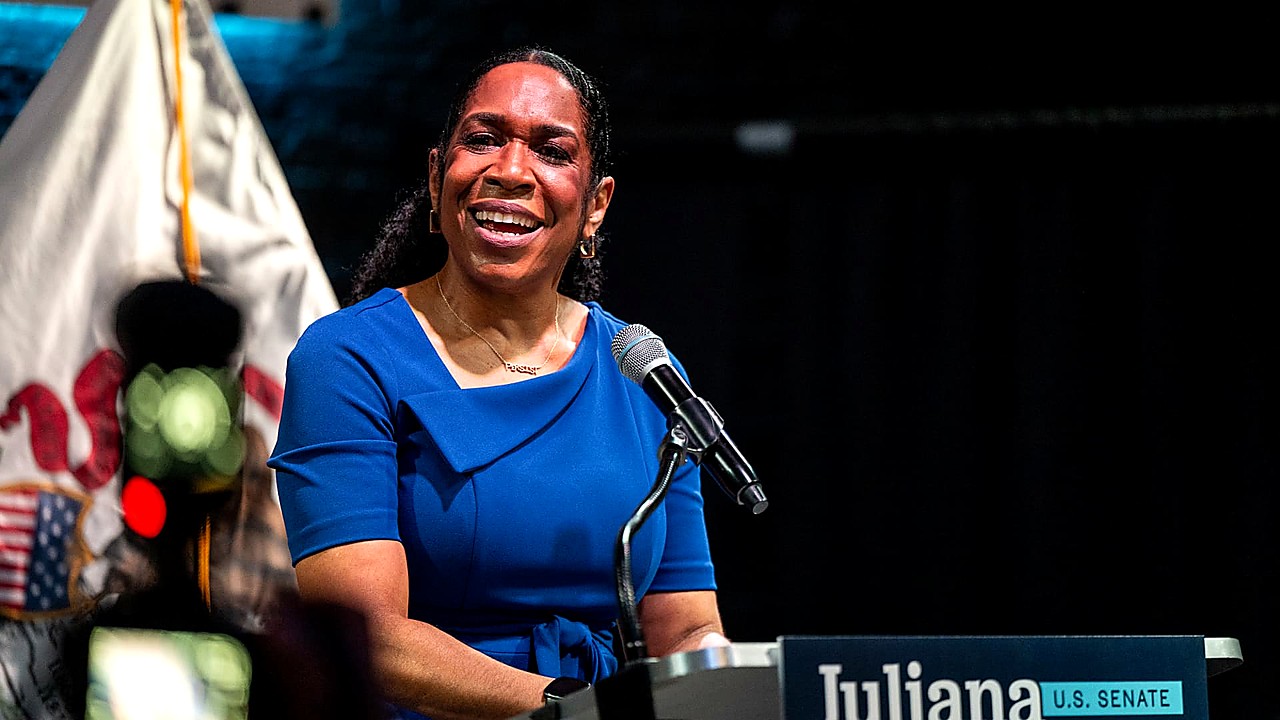
Artificial intelligence and cryptocurrency industry groups poured millions of dollars into Illinois primary elections this year, backing selected candidates in high-profile contests but seeing uneven results at the ballot box.
The spending focused on competitive races in and around Chicago, where outside money has become a defining feature of modern campaigns. Industry-aligned political committees and donors sought to boost candidates viewed as more favorable to their policy priorities, while opponents and local groups criticized the involvement as an attempt to buy influence in state and local government.
The investment did not translate into a clean sweep. Some industry-backed candidates advanced, while others fell short, underscoring the limits of outside spending in crowded primaries and districts with strong local political dynamics. The mixed outcomes also highlighted how difficult it can be for national or sector-based interests to shape races that often hinge on neighborhood-level issues, turnout, and long-established political networks.
Illinois has become an important testing ground because Chicago-area elections can attract significant attention and money, and because the state’s political clout makes it a notable venue for industry efforts to build relationships with elected officials. Even when contests are for offices that do not directly regulate national technology or financial markets, supporters argue local leaders can influence broader debates through party leadership, legislative alliances, and public positioning.
The development matters because it signals a continued escalation in the role of deep-pocketed industries in down-ballot politics. AI and crypto have both faced intensified scrutiny in recent years, with policymakers weighing questions about consumer protection, fraud prevention, data use, and the societal effects of fast-moving technology. Political spending has become one of the clearest ways these industries try to shape the environment in which those debates occur.
The backlash matters, too. Critics in Illinois campaigns framed the spending as misleading and overly aggressive, arguing that it distorted the message voters received and distracted from local concerns. The presence of competing narratives around the same set of races reflects how quickly technology policy has become politically charged, even when the offices on the ballot are not directly tied to technology governance.
What happens next is that the winners of the primaries move toward the general election, where turnout will broaden and outside spending could intensify. Candidates who benefited from industry-aligned support will face renewed questions about independence and priorities, while candidates who ran against outside influence may try to carry that message into the fall.
The primaries also provide a roadmap for future political strategies by AI and crypto advocates: which messages resonated, where money helped, and where it failed to overcome local political realities. With technology policy continuing to collide with elections at every level, Illinois’ mixed results are likely to inform how these industries deploy resources in the next round of contests.
In the end, the Illinois primaries offered a clear lesson for big-money political players: spending can amplify a campaign, but it cannot guarantee control of the outcome.