Altman Says Musk Floated Plan To Hand OpenAI To His Children
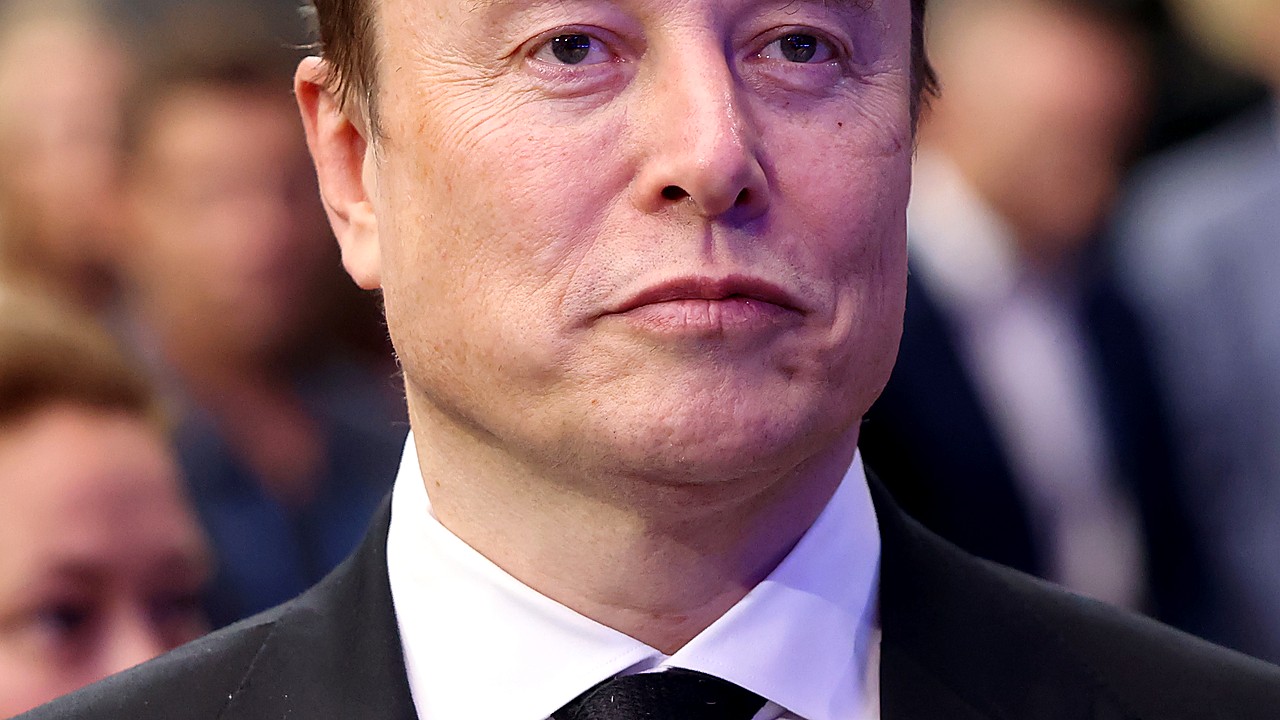
Sam Altman testified that Elon Musk once proposed an arrangement in which control of OpenAI could be handed down to Musk’s children, describing the idea as a “hair-raising” moment.
Altman’s account came during sworn testimony in a court proceeding where a jury heard competing narratives about OpenAI’s early leadership and governance. Multiple outlets reported that Altman told jurors Musk sought sweeping control of OpenAI and raised the possibility of that control passing to his kids.
Altman, OpenAI’s chief executive, described Musk’s position as a demand for “total control,” according to coverage of the testimony. Reports also described Altman saying Musk wanted a 90% stake or level of control. The testimony referenced discussions that took place during OpenAI’s formative period, when Musk was involved with the organization.
The specific forum for the remarks was a jury proceeding, with Altman speaking under oath. The testimony was reported by WIRED, the BBC, the Financial Times, Business Insider, TechCrunch, and other news organizations, which characterized the exchange as one of the more striking parts of Altman’s appearance.
The development matters because OpenAI’s structure and governance have been central to ongoing disputes about who should control advanced artificial intelligence systems and how that control should be constrained. In the public debate over AI, questions of ownership, oversight, and succession planning can shape everything from safety policies to product strategy.
Altman’s testimony also underscores how contentious the organization’s early power dynamics were, and how those disagreements continue to resonate as OpenAI has grown into one of the most influential AI companies in the world. The portrayal of Musk seeking inheritable control, if accepted by jurors as credible, could affect how the court evaluates the intent and expectations of the parties involved during OpenAI’s early negotiations.
What happens next will depend on the rest of the evidence presented to the jury and how attorneys frame the significance of the control discussions. Additional witnesses and documents may be introduced to corroborate or challenge Altman’s version of events and to clarify what, if any, governance proposals were formally pursued.
For now, Altman’s “hair-raising” description of the idea has put the question of who should hold—and potentially inherit—power over major AI institutions squarely in the courtroom spotlight.