Altman Says OpenAI Defense Deal Looked Opportunistic And Sloppy
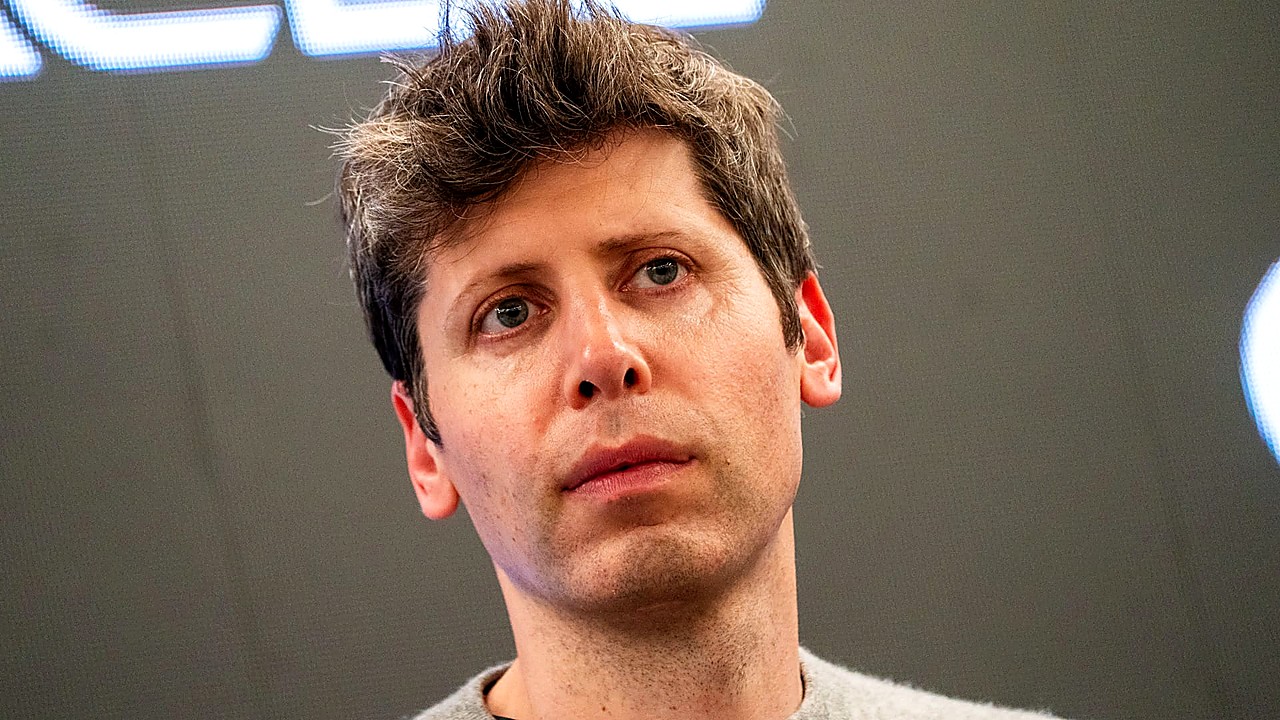
OpenAI CEO Sam Altman said the company’s recently announced defense deal “looked opportunistic and sloppy,” acknowledging criticism that followed the agreement and signaling that OpenAI plans to adjust how it communicates and structures such partnerships.
Altman’s remarks came as OpenAI faced backlash tied to a Pentagon-related deal and concerns about surveillance and military use of artificial intelligence. In comments reported by multiple outlets, Altman said the rollout of the arrangement created the wrong impression and did not meet the standard of clarity the public expects from OpenAI.
The dispute centers on a U.S. Defense Department agreement involving OpenAI and its technology. Altman said OpenAI will tweak the deal and issue clarifications, addressing concerns that the partnership could enable surveillance or expand military applications in ways the company’s users and critics find troubling.
The controversy lands at a sensitive moment for the AI industry, which is under growing scrutiny over how advanced models are deployed and who gets access to them. OpenAI’s products, including ChatGPT, are used broadly across consumer and enterprise settings, making any government or defense relationship a particularly high-stakes test of the company’s commitments and safeguards.
Altman’s characterization of the deal as “opportunistic and sloppy” matters because it is an unusually blunt public critique of OpenAI’s own handling of a major government-facing agreement. It also reflects the pressure AI companies face to explain, in plain terms, how their tools will be used, what is restricted, and what guardrails are in place.
The backlash also underscores how quickly public trust can become a central issue for companies building foundational AI systems. Even when agreements are legal and commercially significant, perception and transparency can shape how users, partners, and regulators respond. For OpenAI, a defense deal is not just another contract; it raises questions about values, oversight, and the line between national security work and potential misuse.
Next steps will hinge on what changes OpenAI makes and how clearly it defines the limits of the Pentagon arrangement. Altman has indicated OpenAI will revise aspects of the deal and provide additional clarification, a move that could include tighter language, clearer public disclosures, or updated internal processes for announcing similar partnerships.
The episode is also likely to reverberate across the sector, as competitors and policymakers watch how OpenAI navigates a high-profile dispute over military-adjacent AI work. Other AI companies have faced their own questions about defense-related collaborations and acceptable use policies, and OpenAI’s response will set expectations for how major developers address comparable criticism.
Altman’s admission puts OpenAI on the record: the company is moving to recalibrate a sensitive defense agreement, and the next version will be judged by whether it delivers the clarity and constraints the public is demanding.