Apple Raises Ipad And MacBook Prices Citing Chip Costs
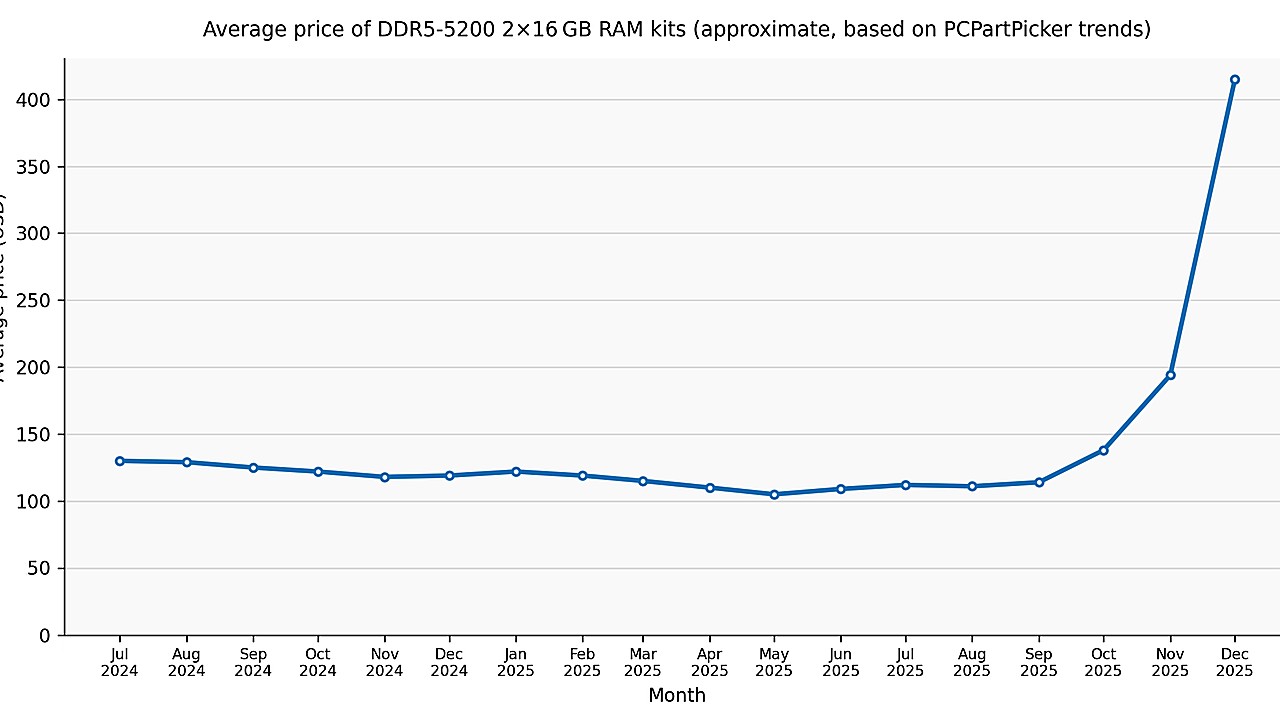
Apple has raised prices on its iPad and MacBook lineups, pointing to higher chip-related costs as the driving factor as demand tied to artificial intelligence intensifies across the industry.
The increase affects Apple’s tablet and laptop products and comes as chip components used in modern devices have become more expensive. Apple attributed the change to rising costs for chips, with particular pressure coming from memory and storage, according to published reports.
The move follows a period in which major technology companies have been grappling with higher input costs linked to the same supply chain. Recent coverage has also described similar price actions by other large firms, including Microsoft, as chip costs climb.
For consumers, the change means higher upfront prices for some of Apple’s most widely purchased hardware, including entry-level and mainstream configurations that have historically been key to back-to-school and holiday shopping seasons. For Apple, iPads and MacBooks sit at the center of its hardware ecosystem, serving as gateways to software and services that the company increasingly emphasizes.
The development matters because it signals that the cost pressures surrounding advanced computing components are showing up directly in consumer pricing. As AI workloads expand, the industry’s need for high-performance components has increased, adding strain to parts of the chip supply chain and raising costs that manufacturers say are difficult to absorb indefinitely.
The pricing shift also has broader implications for the competitive landscape. Apple’s iPad and MacBook families compete in crowded markets where buyers can delay upgrades or switch platforms. Higher prices can influence purchasing decisions for students, families, and small businesses that rely on these devices for school and work.
The company has not, in the context provided, detailed the specific models affected, the exact price points in each market, or the timing of the changes beyond reports that prices are rising. Separate coverage has indicated that some regions are seeing increases of roughly 20%, including reports focused on Australia, though precise adjustments can vary depending on configuration and local conditions.
What happens next will depend on how long chip-related costs remain elevated and whether competitors match the increases or attempt to undercut them. It will also hinge on how consumers respond, particularly during upcoming buying periods when tablets and laptops tend to see higher sales.
Apple’s pricing decision underscores a clear reality for the tech sector: as advanced chips become more costly, the price of everyday devices can rise with them.