Asia Stocks Slide As Traders Weigh U.S.-Iran Peace Deal

Asian stock markets fell in Tuesday trading as investors weighed the durability of a U.S.-Iran interim peace deal and monitored moves in oil prices that have swung sharply in recent sessions.
The pullback came after a stretch of headline-driven trading tied to the Middle East and energy markets. Several regional markets that had been higher in earlier sessions reversed course as traders reassessed risk exposure and the potential for renewed volatility.
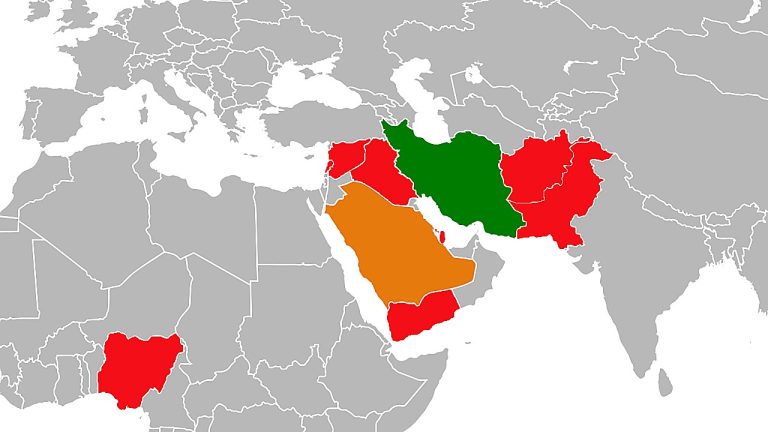
The peace deal, signed by former President Donald Trump, has been described as an interim agreement aimed at ending a Middle East war, according to The Independent. Markets have been focused on whether the arrangement will hold and what it could mean for oil supply expectations and shipping risk in the region.
Oil prices have remained at the center of the market reaction. The Independent reported oil prices fell to below $80 following the signing of the interim deal, while The Economic Times reported Brent crude later climbed to $79.43 as traders weighed the agreement’s durability. The conflicting directional moves underscored uncertainty about how long calmer conditions might last.
In Asia, the mood was cautious. Earlier coverage from NDTV Profit described a session in which South Korea’s Kospi extended a record run and Japan’s Nikkei gained as investors tracked developments around the Iran deal, but Tuesday’s trading turned more defensive. Investors sought clarity on whether lower energy costs would persist and whether geopolitical risk premiums would re-emerge.
The market’s sensitivity reflects how quickly energy and geopolitics can filter into inflation expectations, corporate margins, and central bank outlooks. For Asian economies that import large volumes of energy, oil price direction can influence everything from trade balances to consumer prices. For exporters and commodity-linked companies, the implications can be the opposite.
The latest moves also come as investors keep an eye on major monetary policy decisions. The Jakarta Globe noted Indonesia’s JCI fell ahead of interest rate calls from the Federal Reserve and Bank Indonesia, along with an MSCI market review. That backdrop can amplify market swings when geopolitical headlines are moving prices in key commodities.
Across the Gulf, markets were steadier. Reuters reported most Gulf markets gained as investors assessed the U.S.-Iran peace deal, highlighting that the reaction has not been uniform across regions and that local market dynamics and sector weightings matter.
Next, investors will look for additional concrete signals about the status and implementation of the interim agreement, and whether officials on either side indicate continued adherence. Markets will also be watching crude’s next moves, given how directly oil feeds into global inflation expectations and risk appetite.
Until there is more clarity, trading across Asia is likely to remain sensitive to developments tied to the U.S.-Iran deal and the knock-on effects in energy prices and central bank calculations.