China Issues Coastal Evacuation Orders As Typhoon Bavi Nears
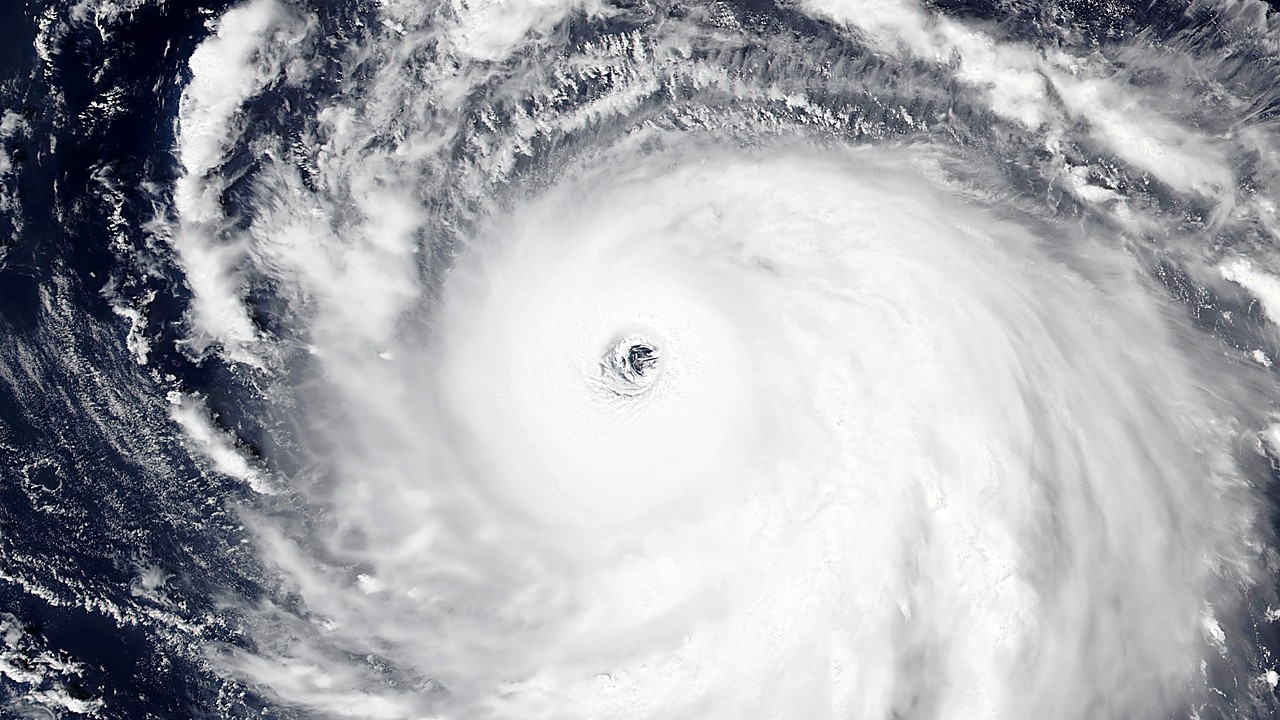
China and Taiwan were bracing for Typhoon Bavi as the storm approached landfall, with officials warning of dangerous conditions after a week marked by deadly weather across parts of the region.
Bavi was forecast to affect coastal areas as it moved toward China, while Taiwan and parts of Japan also prepared for impacts from the typhoon. The storm drew heightened attention because it arrived on the heels of another major weather event, adding pressure to emergency services and communities still dealing with recent damage.
News organizations including Reuters, the BBC, ABC News, the Financial Times, and others reported that authorities were taking steps to prepare for severe winds and heavy rain. Those preparations typically include alerts for residents in vulnerable areas and readiness measures for transport and public services, as the typhoon’s track and intensity determine the level of disruption.
The storm’s arrival comes amid ongoing concerns about extreme weather risks in the region. The back-to-back timing of major storms increases the likelihood of compounding impacts, especially in places where saturated ground and weakened infrastructure can make conditions more dangerous when another round of heavy rainfall arrives.
In addition to the threat along China’s southeastern coastline and Taiwan, the broader regional context included lethal consequences from related weather. The BBC reported that landslides in the Philippines killed 15 as the wider system of severe weather affected multiple countries. That toll underscored the hazard posed by intense rain in mountainous and flood-prone areas, even when the storm’s center is elsewhere.
For China, the approach of Bavi was notable because it represented a second typhoon threat within a single week, a scenario that can complicate disaster response and recovery. Residents and local authorities in coastal provinces typically face potential interruptions to ports, shipping, road and rail travel, and power supplies during a powerful typhoon, with the greatest risks often concentrated near where the storm comes ashore.
Taiwan also prepared for Bavi’s impacts, with the storm positioned to bring heavy rain and strong winds. Japan was cited in reports as another area monitoring conditions as the system moved through the region.
In the coming days, the focus will be on the typhoon’s landfall location and intensity, and on any resulting damage, flooding, or outages. Officials are expected to continue issuing updated warnings and operational decisions as new forecasts refine the storm’s track.
As Typhoon Bavi closes in, authorities across East Asia are preparing for a fast-moving test of storm defenses, emergency readiness, and public safety messaging.