Cruise Ship Tied To Hantavirus Outbreak Docks In Canary Islands
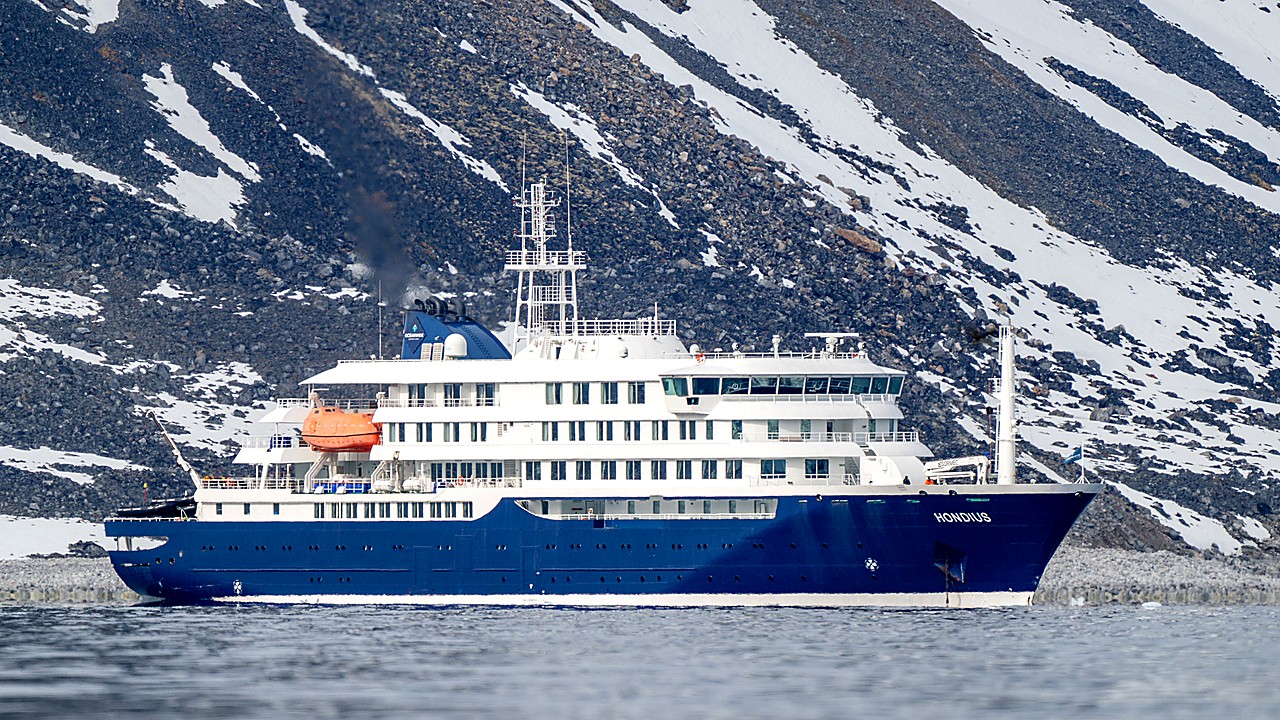
A cruise ship linked to a hantavirus outbreak arrived in Spain’s Canary Islands to allow passengers to disembark, with medical teams standing by as the vessel reached the port of Tenerife.
The ship’s arrival followed reports that it had been affected by cases tied to hantavirus, an illness that can cause severe respiratory disease. Authorities and health personnel in Tenerife prepared for the ship’s docking and for passengers to come ashore under health monitoring procedures.
The developments drew attention from multiple international outlets, including The New York Times, NBC News, the BBC, Al Jazeera, and The Washington Post, all reporting on the ship’s arrival in Tenerife and the steps being taken for disembarkation. Coverage described the scene as medics awaited passengers and local officials coordinated the response at the port.
Hantavirus is typically associated with exposure to infected rodents and their droppings, and outbreaks connected to travel settings can prompt heightened public health precautions due to the close quarters aboard ships and the movement of passengers across borders. The ship’s arrival in Tenerife brought the situation into a major European tourist destination, elevating the importance of containment measures and clear coordination between maritime operators and public health authorities.
This matters because cruise ships can function like small cities, with shared dining areas, recreation spaces, and ventilation systems that make it difficult to separate people quickly once illness is suspected. Even when a disease is not easily spread person-to-person, health agencies must still identify symptomatic individuals, ensure appropriate medical care, and provide guidance to those who may have been exposed.
It also matters for regional preparedness. The Canary Islands are a key transit point for international travel, and any public health event at a port can test local capacity for screening, isolation, and transport. The handling of this arrival is likely to influence protocols for future ship calls involving suspected infectious disease incidents.
Next, health authorities are expected to continue assessing passengers and crew as disembarkation proceeds, with decisions guided by medical evaluations and applicable public health rules. Passengers may face additional instructions from health officials, including monitoring for symptoms and following any isolation or quarantine directions issued by relevant authorities.
In the United States, The Washington Post reported that Americans from the hantavirus-hit cruise ship were expected to quarantine in Nebraska, underscoring that the response extends beyond Spain and may involve coordinated measures after travelers return home.
The ship’s arrival in Tenerife marks a critical step in managing the incident, shifting the focus from onboard containment to port-based medical screening and the safe movement of passengers under public health oversight.