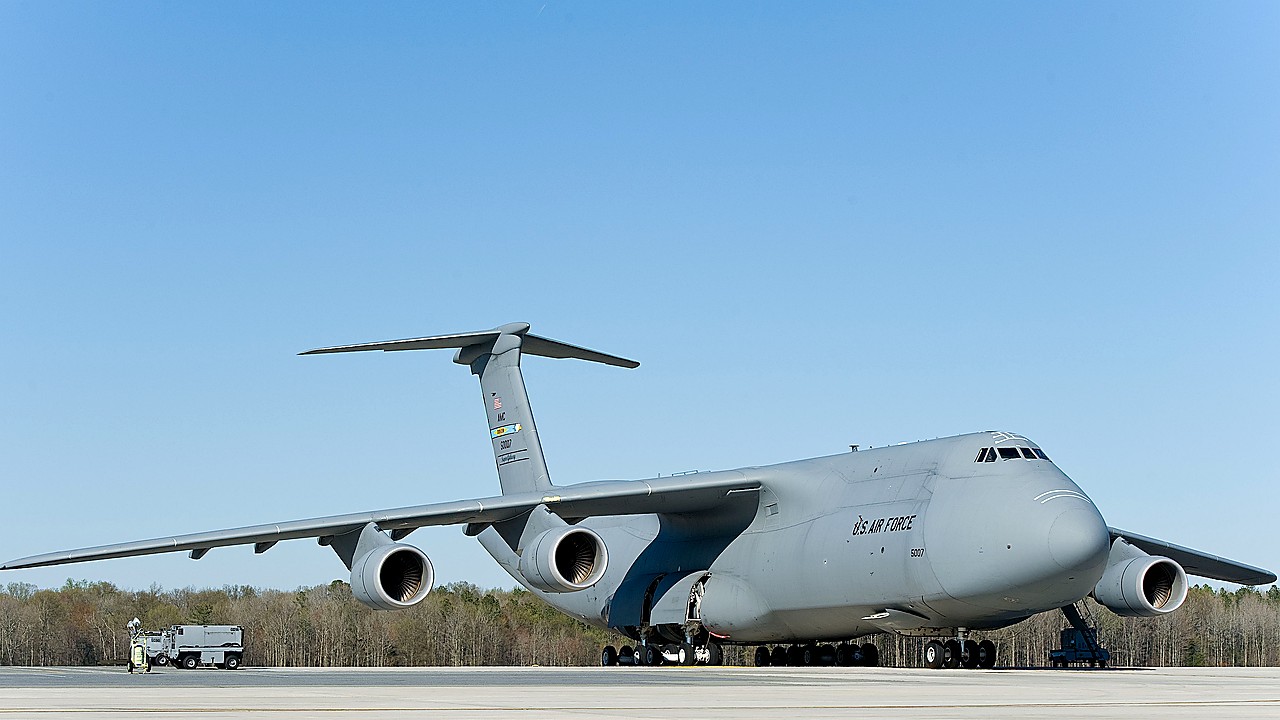
Dover Air Force Base Expands C-17 Maintenance Hangar Capacity
A dignified transfer ceremony for six U.S. service members killed overseas was held at Dover Air Force Base in Delaware, bringing grieving families, military officials and public attention to the base that serves as the nation’s primary point of return for fallen troops.
Multiple outlets reported that the six service members were honored as their remains arrived at Dover. Coverage described a somber ceremony on the base’s flight line, where the military traditionally conducts the formal transfer from aircraft to vehicles before the fallen are taken for further processing and burial arrangements.
President Donald Trump attended the ceremony at Dover, according to reports from The Guardian and The News Journal. Those accounts said he joined the families of the fallen service members during the transfer, a setting that is often private and tightly controlled to allow relatives space to grieve.
NewsNation and Fox News both reported that the event involved six U.S. soldiers who died in Kuwait. Other coverage referenced the service members as having been killed in a drone strike and described them as returning from the Middle East. The circumstances and location described across reports underscore that the deaths occurred during overseas service, and that Dover served as the entry point back to the United States.
Dover Air Force Base has long been a focal point in moments like this, handling the dignified return process when American troops are killed abroad. The ceremonies are both ritual and reality: a military honor for those who died in service, and a first step for families beginning the process of bringing their loved ones home.
The development matters because it reflects the human cost of overseas military operations and the continuing role of U.S. installations in responding to deaths in uniform. It also puts renewed attention on Dover’s responsibilities, from logistics and protocol to support services for families navigating trauma and grief.
The presence of a sitting or former president at a dignified transfer can also elevate the national profile of the event, drawing more public scrutiny while remaining, at its core, a military ceremony centered on the families and the fallen.
What happens next is largely procedural but deeply personal. Following the transfer, the remains are taken for additional handling and preparation consistent with military policy, while families work with officials on arrangements for burial and memorial services. Public ceremonies and tributes may follow in home communities, depending on family wishes and local plans.
Dover’s role in these events is typically brief in calendar time but lasting in meaning, marking the moment the fallen return to American soil and are formally received with military honors.
The ceremony at Dover ended as it began—quietly, formally, and with the focus on six service members whose final journey home was met with salute and solemn respect.