Emirates’ First Post-Strike Flight Departs Dubai For London
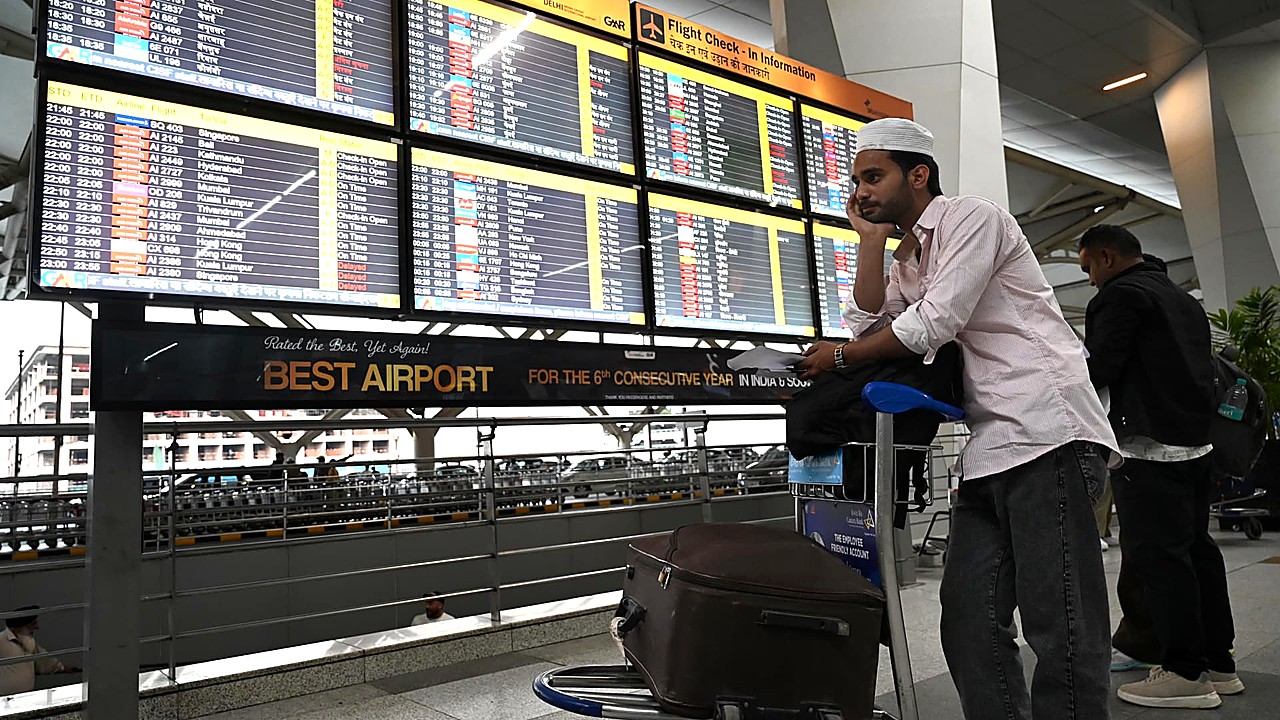
An Emirates aircraft departed Dubai on the carrier’s first flight out of the city since Iran strikes triggered widespread airspace disruptions across the region, marking a cautious restart of operations after days of cancellations and delays.
Emirates, the Dubai-based airline, said it would resume a limited number of flights as conditions allow. The departure from Dubai came as airlines across the Middle East and beyond continued to grapple with shifting restrictions and operational hurdles tied to the regional security situation.
The flight left from Dubai International Airport, one of the world’s busiest travel hubs and a key transit point connecting Europe, Asia, and Africa. In recent days, the airport’s outbound schedule has been heavily affected, reflecting broader disruption to global air travel after the strikes and the subsequent changes to airspace access in parts of the region.
Other carriers have also signaled steps toward restoring service. Reports have said flights have started to resume from Abu Dhabi and Dubai, even as disruption continues. At the same time, the overall network remains strained: thousands of flights have been cancelled worldwide, and many travelers have been stranded as airlines adjust routes, manage crew and aircraft positioning, and respond to evolving aviation constraints.
The resumption of even limited Emirates service matters because Dubai’s aviation system is central to international travel and commerce. Emirates is among the world’s largest long-haul airlines, and disruptions to its schedule ripple through global connections, affecting travelers far beyond the Gulf. When a major hub like Dubai slows down, missed connections and rebookings can cascade into significant delays at airports across multiple continents.
The restart is also significant for passengers stuck in the region. Multiple news reports have described exceptional or special flights being organized in the United Arab Emirates to help move stranded travelers. For many, an operating Emirates departure signals that at least some routes may reopen, offering additional options for leaving Dubai or completing long-distance itineraries.
What happens next will depend on how quickly airlines can expand from a limited schedule to broader operations, and on what restrictions remain in place on air routes and airport activity. Emirates has indicated that the return will be gradual, and travelers should expect continued changes as carriers manage schedules and re-accommodate passengers affected by the earlier cancellations.
In the near term, the airline industry is likely to remain in a recovery phase, with airports and airlines working through backlogs, repositioning aircraft, and handling passengers who were diverted or delayed. The first outbound Emirates departure from Dubai is a clear step forward, but the wider travel system is still dealing with the aftermath of the disruption.
For travelers, the message is that flights are beginning to move again out of Dubai, even as the region’s air travel network remains in flux.