European Stocks Poised To Open Lower On Hormuz Blockade
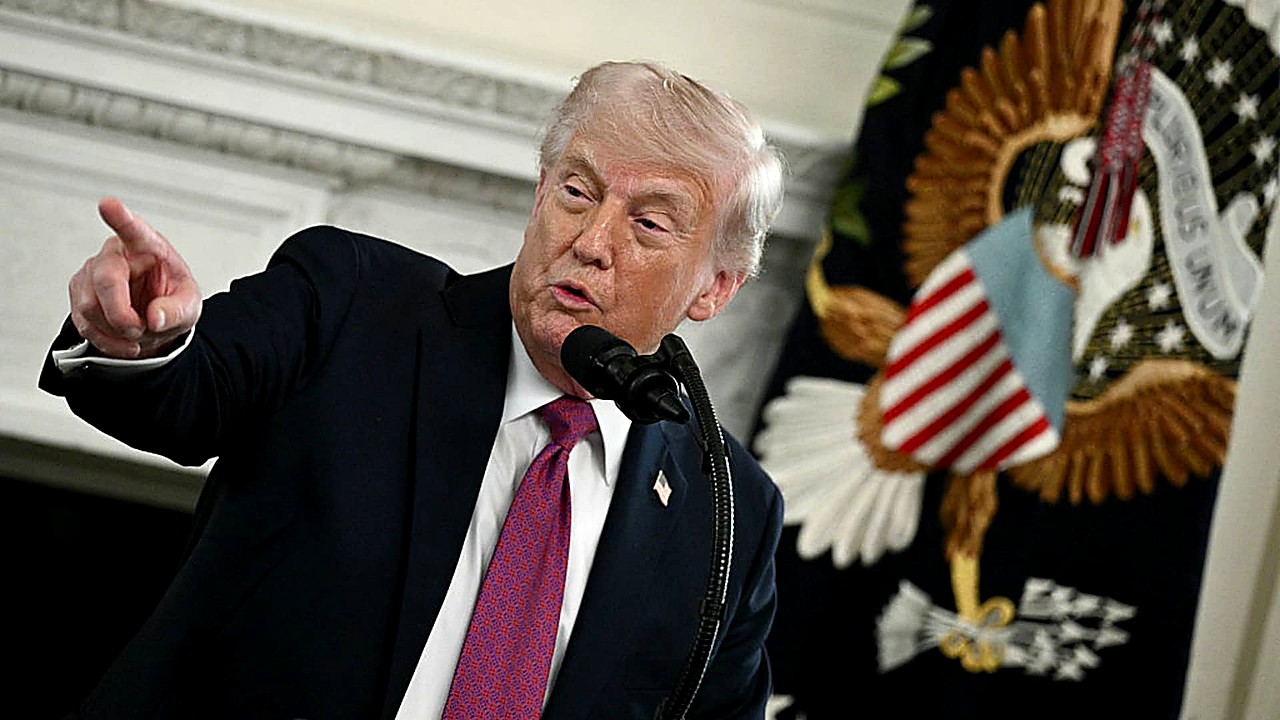
European stocks were poised to open lower after President Donald Trump refused to lift a blockade in the Strait of Hormuz, a move that kept investor attention fixed on the risk of further disruption in a critical global shipping route.
The development follows Trump’s public position that the blockade will remain in place until an agreement with Iran is reached. The Strait of Hormuz, a narrow waterway linking the Persian Gulf to the open ocean, is one of the world’s most important transit points for energy shipments and broader maritime trade.
Trump’s stance added to uncertainty for European markets at the start of the session, with traders weighing how prolonged restrictions in the strait could affect companies exposed to transportation, industrial supply chains and energy-intensive operations. The headline pressure came as markets assessed a geopolitical situation that remains fluid and highly sensitive to official statements and diplomatic signals.
In separate remarks, Trump said U.S. officials are heading to Pakistan for talks. Iran, however, said it does not plan to take part, underscoring the diplomatic complexity surrounding any pathway to a broader agreement.
The immediate significance for markets is the increased risk that shipping and logistics costs remain elevated and that supply routes face continued constraints. For Europe, which relies heavily on global trade flows and imported energy, any sustained disturbance tied to the Strait of Hormuz can ripple quickly into corporate costs, pricing decisions and investor sentiment.
The focus on the blockade also highlights how quickly geopolitical decisions can translate into market moves, particularly when they involve strategic chokepoints. With Trump linking any change in policy to the status of an Iran deal, investors were left with a clearer condition for de-escalation but no near-term indication that the condition will be met.
Attention now turns to official communications from Washington and any follow-up announcements tied to the planned Pakistan talks. Market participants are also watching for statements from Iran and other regional actors that could clarify next steps or signal movement toward negotiations.
For European equities, the near-term backdrop is likely to remain dominated by geopolitical risk headlines and their potential impact on energy and shipping, with traders seeking confirmation of policy direction rather than reading into unofficial signals.
Until there is a defined change in the blockade position or a confirmed diplomatic breakthrough, the Strait of Hormuz will remain a central factor shaping the tone of the European market open.