France Orders Carrier Group Toward Strait Of Hormuz
France has moved its aircraft carrier strike group toward the Strait of Hormuz for a possible defensive mission aimed at helping secure one of the world’s most important maritime chokepoints, according to reports from The Associated Press and other outlets.
The deployment involves France’s aircraft carrier Charles de Gaulle and its accompanying warships, which have been repositioned toward the region as France signals it is prepared to contribute to maritime security operations if needed. Defense News reported the carrier moved into the Red Sea ahead of any potential mission connected to the Strait of Hormuz.
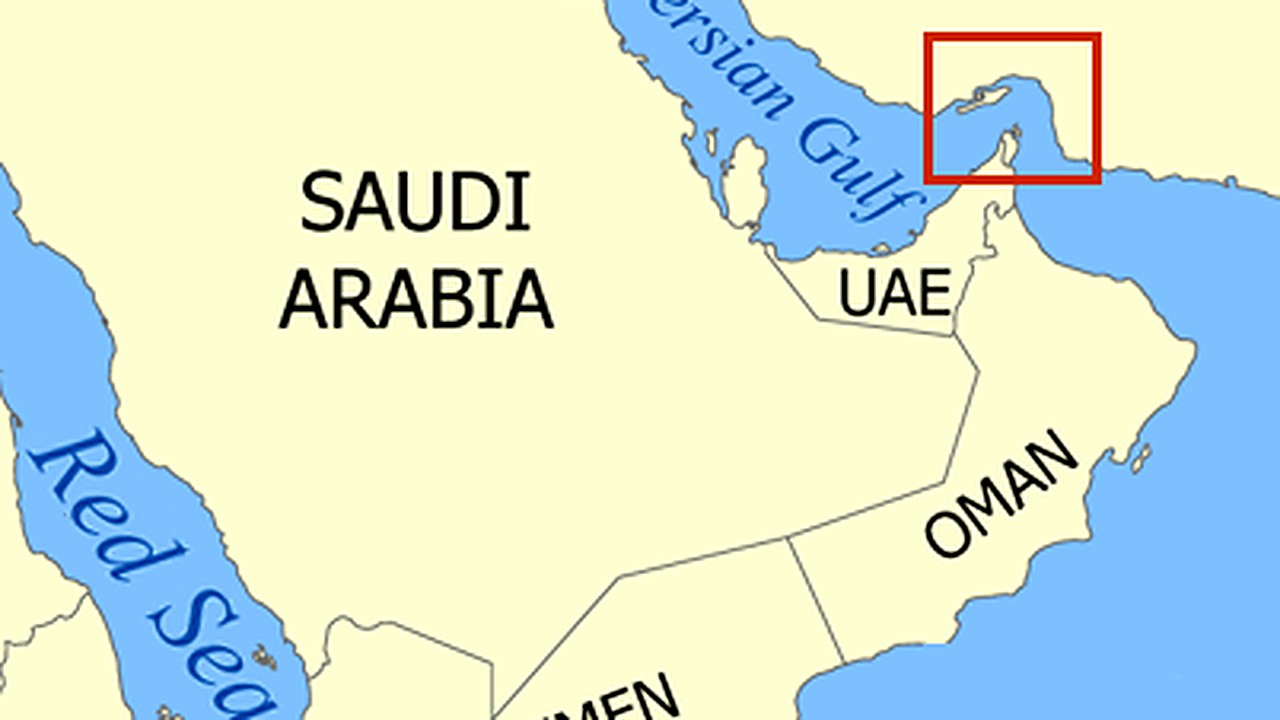
The Strait of Hormuz sits between Iran and Oman and serves as the narrow gateway between the Persian Gulf and the Gulf of Oman. It is a critical route for global shipping, including energy cargoes, and has long been a focus for naval patrols and escort operations by multiple countries.
French officials have described the mission posture as defensive, framing the carrier group’s movement as readiness to support securing transit through the strait rather than initiating offensive action. The headlines indicate the deployment is tied to the possibility of a broader effort to protect commercial navigation in and around Hormuz.
The development matters because an aircraft carrier group brings significant capability and flexibility to any maritime security mission. A carrier strike group can provide persistent surveillance, air cover, command-and-control support, and rapid response options that smaller deployments cannot match. In a region where shipping lanes can face heightened risk, those capabilities can be central to deterrence and to reassuring commercial operators and allied governments.
It also underscores Europe’s willingness to contribute naval power beyond its immediate neighborhood. France is one of the few countries with a nuclear-powered aircraft carrier and the ability to sustain carrier operations at distance, giving it an outsized role in any coalition effort to protect sea lines of communication.
What happens next will depend on the exact tasking assigned to the French force and whether a formal defensive mission is activated for the Strait of Hormuz. The Economic Times referenced a “conditional” UK-French Hormuz mission, suggesting potential coordination with other partners if the mission proceeds. Additional guidance from French authorities and any partner governments would clarify whether the carrier group will remain staged in the Red Sea, move closer to Hormuz, or take up specific duties such as patrols or support for escorts.
For now, the key fact is the repositioning itself: France has put its premier naval asset and its escorts within reach of the Strait of Hormuz, signaling it is ready to take on a defensive role aimed at protecting maritime passage through a vital corridor.
With the Charles de Gaulle carrier group now moving into position, France has placed a major piece of military power on the board as maritime security planning for the Strait of Hormuz continues.