Google Adds Ask Maps To Answer Complex Navigation Questions
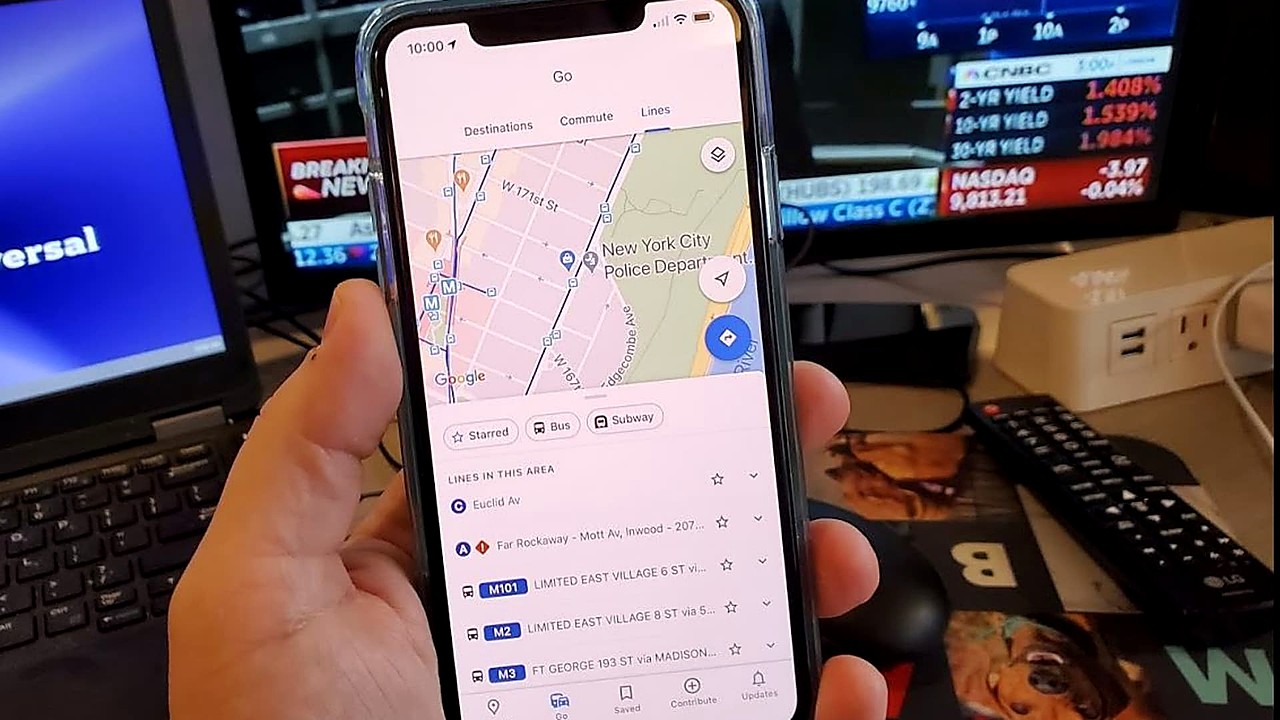
Google is adding a new artificial intelligence feature to Google Maps called “Ask Maps,” expanding how users can interact with the app by letting them ask more complex, natural-language questions about navigation and getting around.
The update centers on “Ask Maps,” a tool that allows people to pose questions in everyday language instead of relying only on traditional searches for addresses, businesses, or categories. The feature is part of a broader set of changes Google is making to Maps as it adds more AI-driven capabilities aimed at trip planning and navigation.
Reports on the update also describe upgrades to Google Maps’ navigation experience, including improvements tied to “immersive” navigation. The changes are positioned as a significant update to the Maps app, reflecting Google’s push to make navigation more interactive and more responsive to what users are trying to do in the moment.
Google Maps is one of the most widely used navigation apps in the U.S. and globally, and changes to how people search and navigate can quickly affect everyday routines, from commuting and errands to travel planning. Introducing a question-based interface could shift how users find places and make decisions while on the move, especially when needs are more complicated than a single destination search.
The development also matters because navigation apps increasingly compete on more than just turn-by-turn directions. Users expect help choosing among options, understanding tradeoffs, and adjusting plans as circumstances change. Adding AI features to Maps signals Google’s intent to keep the product competitive as consumers weigh alternatives and as expectations rise for conversational, assistant-like tools in core apps.
For Google, putting more AI into a high-frequency product like Maps is a major move. Navigation is a daily-use category where speed, reliability, and clarity are essential, and any new feature must work seamlessly alongside existing routing and safety-focused design. How users respond to “Ask Maps,” and how prominently it appears in the app experience, will shape whether it becomes a routine part of navigation or remains a supplemental tool.
What happens next will depend on how the feature is introduced to users and how it performs in real-world use. As the updates roll out, users will be able to evaluate whether “Ask Maps” makes it easier to plan trips and find information within Maps, and whether the immersive navigation upgrades improve the experience while traveling.
Google’s latest Maps update underscores how quickly navigation is evolving from simple directions into a more conversational, AI-assisted way to get around.