Google Brings Back Smart Glasses With Gemini AI Integration
Google used its latest I/O developer conference to signal a major shift in two of its most recognizable products: wearable hardware and web search. The company said its glasses are coming back, and it outlined plans to give Google Search an AI-focused redesign.
The announcements were made during Google I/O 2026, the company’s annual event where it previews upcoming software and hardware initiatives. Google positioned the glasses update as a return to the category it helped popularize a decade ago, and it framed the search changes as a new way of getting answers and completing tasks.
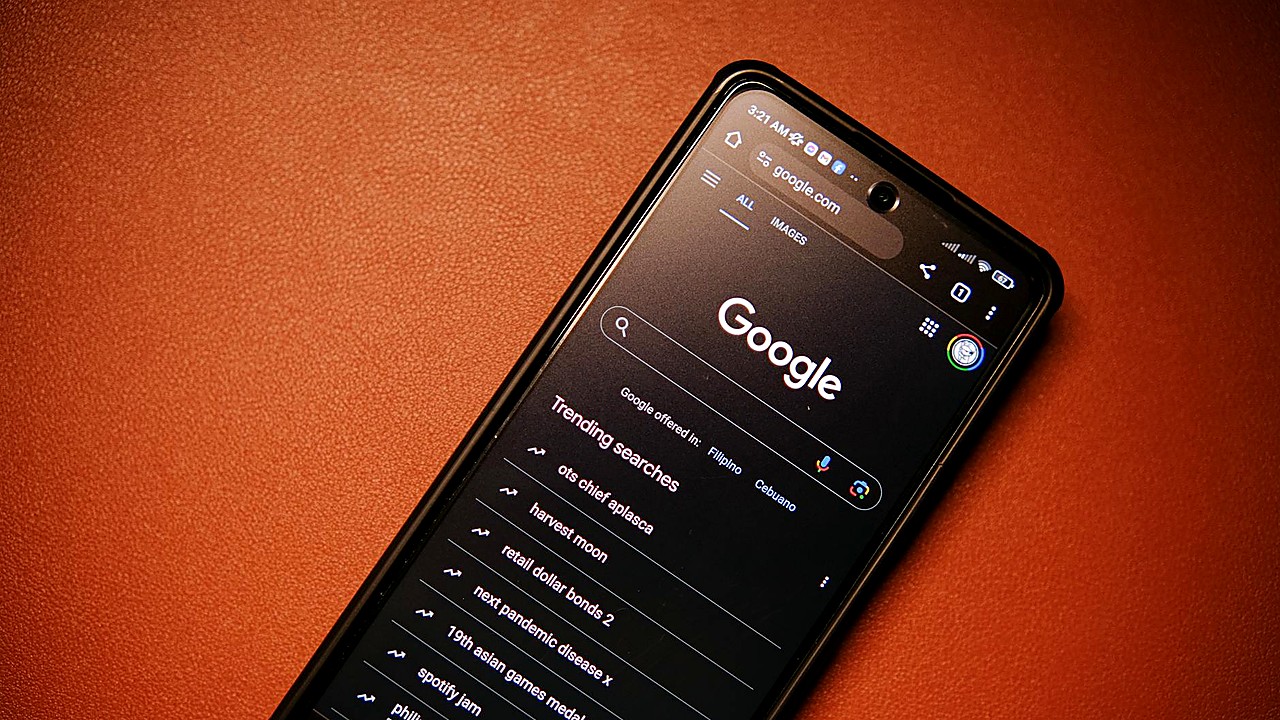
Google’s search update centers on expanding the role of AI inside the search experience. The company described a move toward a more “intelligent” interface, with AI-assisted results and features meant to help users find information faster and interact with queries in more natural ways. Multiple outlets covering the event characterized the shift as an “AI-heavy makeover” for Search.
The I/O program also highlighted Google’s Gemini AI efforts, including new “agentic” capabilities presented as part of a broader push to make its AI systems more proactive. In addition, the company discussed work on a personal AI assistant product that it said is coming soon, according to coverage of the event.
The glasses announcement matters because it reopens a hardware front that has been shaped in recent years by renewed interest in wearable computing and hands-free interfaces. Google previously experimented with smart glasses, but a modern reboot, paired with today’s AI tools, signals the company believes the technology and consumer expectations have shifted enough to support a fresh attempt.
The search changes matter even more broadly. Google Search is one of the most widely used consumer products in the world, and changes to how it presents information can ripple across the internet ecosystem. A more AI-forward search experience can alter what users see first, how they refine questions, and how publishers and businesses think about being discovered.
For developers and advertisers, any redesign of search and the underlying AI systems can affect how products are built, how information is structured, and how audiences are reached. Google’s I/O messaging suggested it is treating AI not as an add-on, but as a central layer across core services.
What happens next will depend on rollout timing and product specifics that were not fully detailed in the initial headlines. Google is expected to continue explaining the updated search experience and the revived glasses program through additional demos, documentation, and staged releases following I/O. Developers will also be watching for details on how Gemini’s new capabilities and the forthcoming assistant will integrate with existing Google platforms.
For now, Google’s message from I/O was clear: it is bringing back smart glasses and remaking search around AI, setting up a new phase for two flagship parts of its business.