Google I/O 2026 Opens With Gemini AI And Android 17 Focus
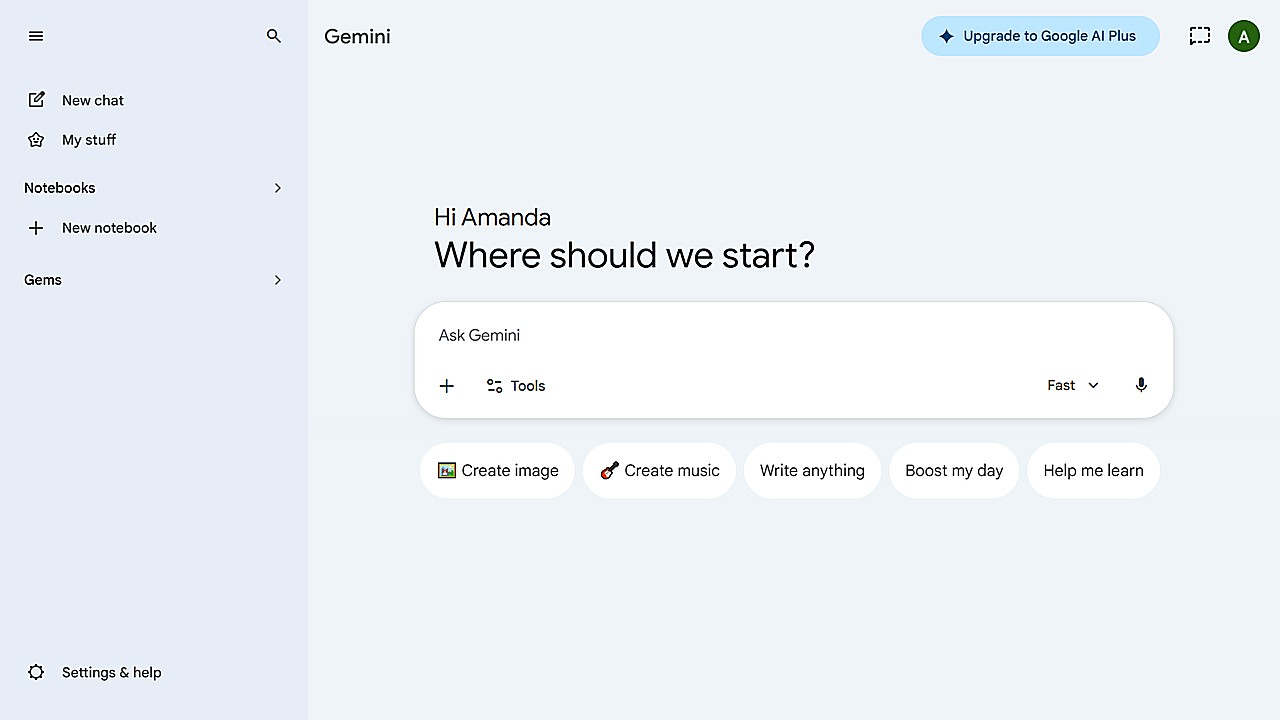
Google’s annual developer conference, Google I/O 2026, is being held today, with the company set to deliver a keynote featuring updates across Gemini AI, Android 17, and Android XR.
The event is expected to be streamed live, giving developers and the broader public a first look at what Google plans to ship next across its software platforms and AI tools. The conference typically sets the direction for Google’s product roadmap over the coming year, particularly for Android and the company’s developer-facing services.
This year’s headline focus is Gemini AI, which Google has positioned as a central layer across its products and services. The keynote is slated to include Gemini-related announcements, alongside broader “Gemini Intelligence” updates that developers will watch closely for changes to how Google’s AI can be integrated into apps, services, and workflows.
Android 17 is also on the agenda. Google I/O is a key venue for Android platform updates, and the company is expected to share new details on features and changes coming to the next version of its mobile operating system. For developers, the most important information tends to include updates that affect app behavior, privacy and security policies, performance, and new APIs.
Another major area is Android XR, Google’s work around extended reality experiences. Updates in this category are expected to address how Android is evolving to support XR hardware and software, and what tools and frameworks developers can use to build XR apps. Any changes here matter to companies working on immersive computing, as platform decisions can shape what devices can do and what kinds of experiences can be built.
Beyond the headline topics, Google I/O commonly includes a range of announcements that touch multiple parts of the Google ecosystem. Even when a keynote centers on a few big themes, the surrounding program often brings additional product updates, developer tools, and platform changes that ripple across Android phones, tablets, and other connected devices.
The stakes are high because Google I/O is where Google often outlines the next steps for its core platforms at a time when AI and operating systems are rapidly evolving. Gemini developments can influence how consumers interact with Google services and how developers design apps. Android 17 updates can affect everything from compatibility planning to feature roadmaps for app makers. Android XR progress can signal how serious Google is about establishing a long-term software foundation for immersive devices.
What happens next will depend on what Google announces during the keynote and in the technical sessions that follow. Developers will begin evaluating any platform changes, guidance, or new tools introduced today, while consumers and device makers will look for clues about when these updates may arrive more broadly and how they could alter day-to-day experiences.
As the keynote unfolds, Google I/O 2026 is set to define the company’s near-term priorities across AI, Android, and emerging XR platforms.