Google Rolls Out AI Agents To Expand Search Beyond Queries
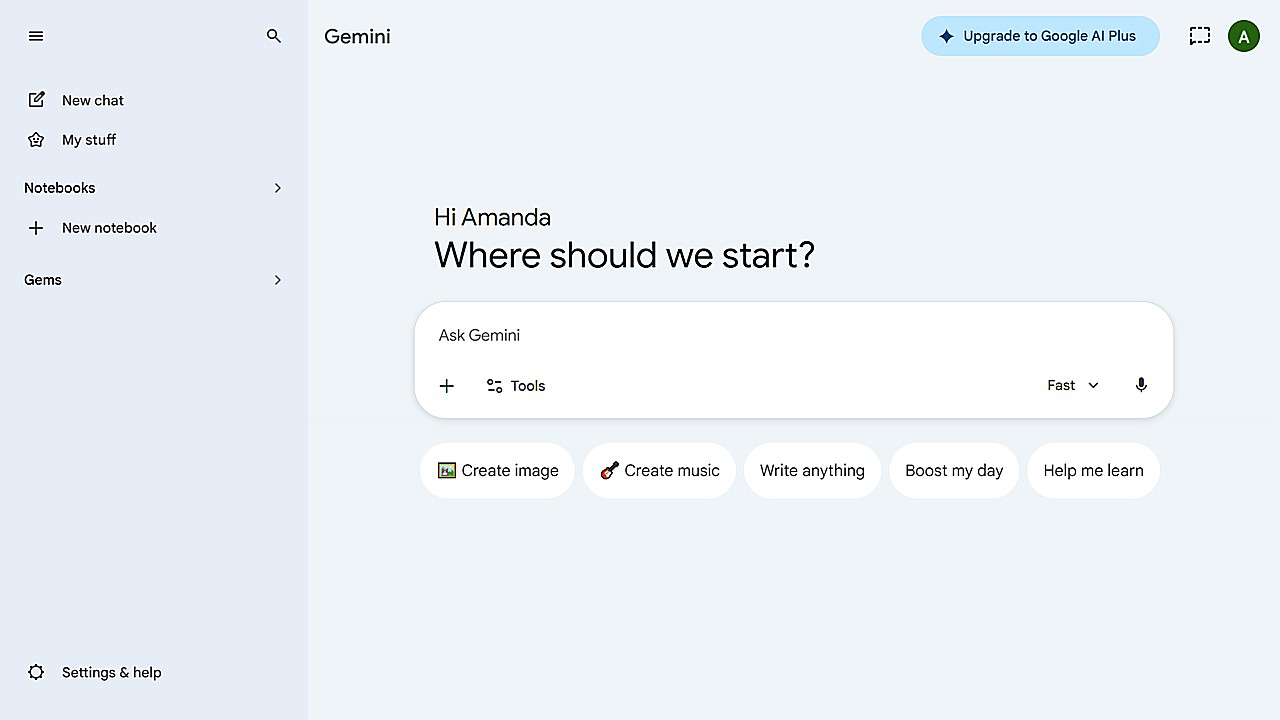
Google is rolling out a revamped Search experience that adds AI agents to help users handle tasks that go beyond traditional keyword queries, marking a major update to how people can use the company’s search box.
The changes were highlighted in recent coverage from TechCrunch and ZDNET and were among the announcements tied to Google I/O 2026, alongside broader upgrades across Google’s AI products. The updates center on a new AI-powered Search box and agent features designed to assist with multi-step requests rather than returning a list of links alone.
In practical terms, the new setup is aimed at letting users move from asking a question to getting help completing a job. Instead of refining a query repeatedly, a user can describe an outcome they want—such as planning, comparing, or organizing information—and rely on the agent capabilities to carry the request through multiple steps inside Search.
The agent approach aligns with Google’s broader push around Gemini, including references in TechCrunch coverage to Gemini 3.5 Flash and Google’s strategy of emphasizing agents rather than chatbots. The overall direction is to make AI useful not just for conversation, but for structured work that typically requires several searches and follow-up questions.
This development matters because Search is one of Google’s most widely used products, and the search bar has long been the starting point for navigating the web. Shifting the search box toward an “intelligent” interface suggests Google wants to make Search a place where users can initiate and complete complex tasks, not just discover information.
It also signals intensifying competition in consumer AI. Multiple outlets have framed Google’s latest Search upgrades as part of a broader “AI wars” push, with the company putting agent-like functionality closer to the core Search experience. If widely adopted, this could change how users approach everything from researching decisions to managing practical errands online.
For users, the immediate takeaway is that getting the most out of the new Search experience will depend on asking for outcomes, not just facts. Agent-style interactions work best when a request includes clear constraints—what you’re trying to accomplish, what options you want compared, and what information should be included—so the system can carry the task forward without needing repeated restarts.
What happens next is the product rollout and user adoption. Google’s announcements point to a Search experience that continues to evolve, with agents and the new AI search box positioned as a foundation for additional upgrades. As the company adds more AI-driven capabilities across its ecosystem, Search is set to become a more active interface—one that helps users do work, not simply find starting points.
Google’s newest Search update underscores a simple shift: the search box is no longer just a place to ask questions, but increasingly a place to get things done.