Health Workers Say Israel Targets Medical Clinics In South Lebanon
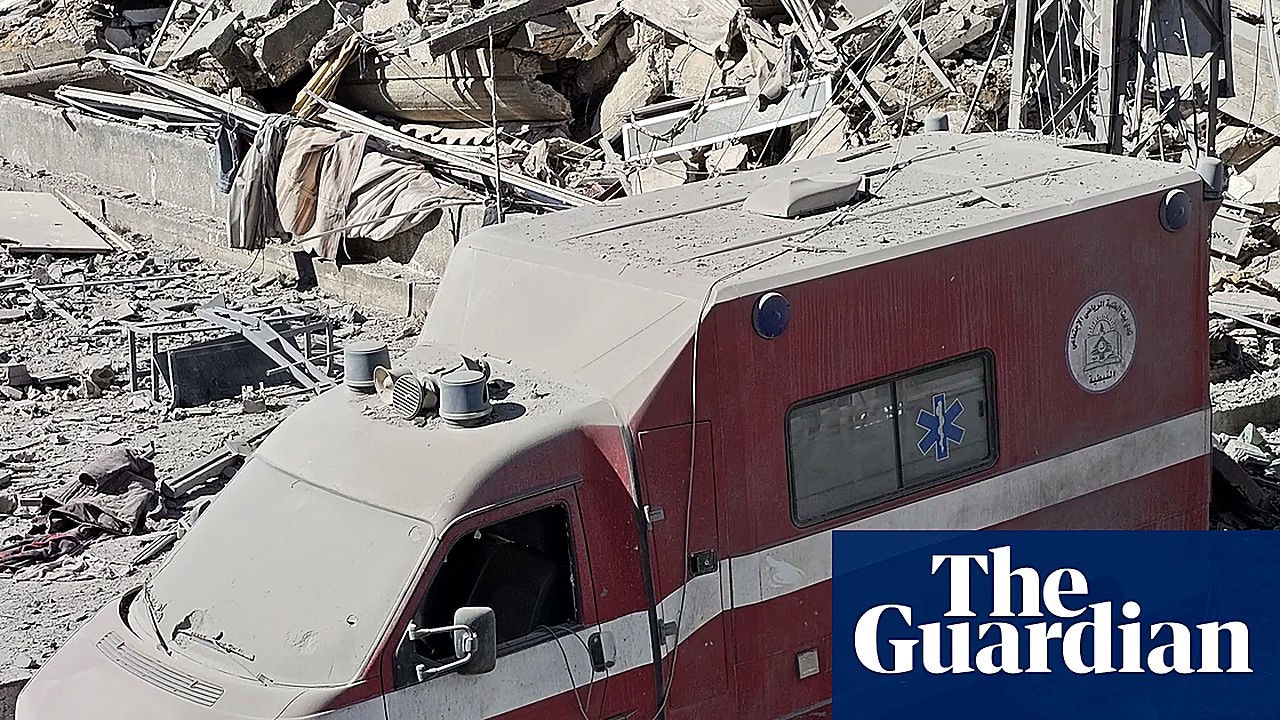
Health workers in south Lebanon are accusing Israel of deliberately targeting medical facilities as Israeli bombardment continues across parts of the country, adding strain to an already pressured health system and complicating emergency response efforts.
The claims, reported by The Guardian, center on medical sites in southern Lebanon that health workers say have come under attack in a way they believe is intentional. The report describes health workers alleging that facilities meant to treat civilians and the wounded have been hit during ongoing strikes, raising concerns about the safety of patients, staff, and ambulances operating in the area.
The allegations come as the wider conflict environment in Lebanon remains deadly. Al Jazeera reported that the death toll in Lebanon has surpassed 1,000 as Israeli bombardment continues. Separately, AOL.com published footage described as capturing the moment a building in Beirut collapsed after an Israeli airstrike, underscoring the intensity and geographic reach of the strikes beyond the country’s south.
The targeting of medical facilities, if borne out, would represent a serious escalation with significant humanitarian implications. Hospitals, clinics, and first responders are central to keeping casualties from rising during sustained bombardment. When medical sites are damaged or must suspend operations, people with traumatic injuries, chronic conditions, pregnancy complications, and other urgent needs can lose access to care, and emergency transport routes can become harder to use.
For health workers on the ground, the immediate issue is operational: whether they can continue to work safely, whether facilities can remain open, and whether ambulances can reach communities. Even limited disruptions can force patient transfers, reduce capacity, and delay treatment in time-sensitive cases, particularly in areas already coping with repeated strikes.
Aid workers have also warned that multiple health crises could worsen as regional tensions persist. In a related report, AOL.com cited concerns from humanitarian workers that the continuation of the Iran conflict could compound existing emergencies, increasing pressure on systems dealing with trauma care, shortages, and displacement-related health needs. In Lebanon, those pressures are now unfolding alongside reported attacks and the rising toll.
The next steps will likely involve further documentation of damage and casualties connected to medical sites, as well as efforts by health providers to keep services running despite safety risks. Health workers and humanitarian groups typically seek assurances for the protection of medical staff, patients, and facilities, and may adjust operations by relocating services, limiting hours, or moving resources to sites seen as less vulnerable.
As bombardment continues and the reported death toll climbs, the ability of Lebanon’s medical system to function safely is becoming a central factor in how many lives can be saved in the days ahead.