Hezbollah Rejects Israel-Lebanon Ceasefire Extension Terms
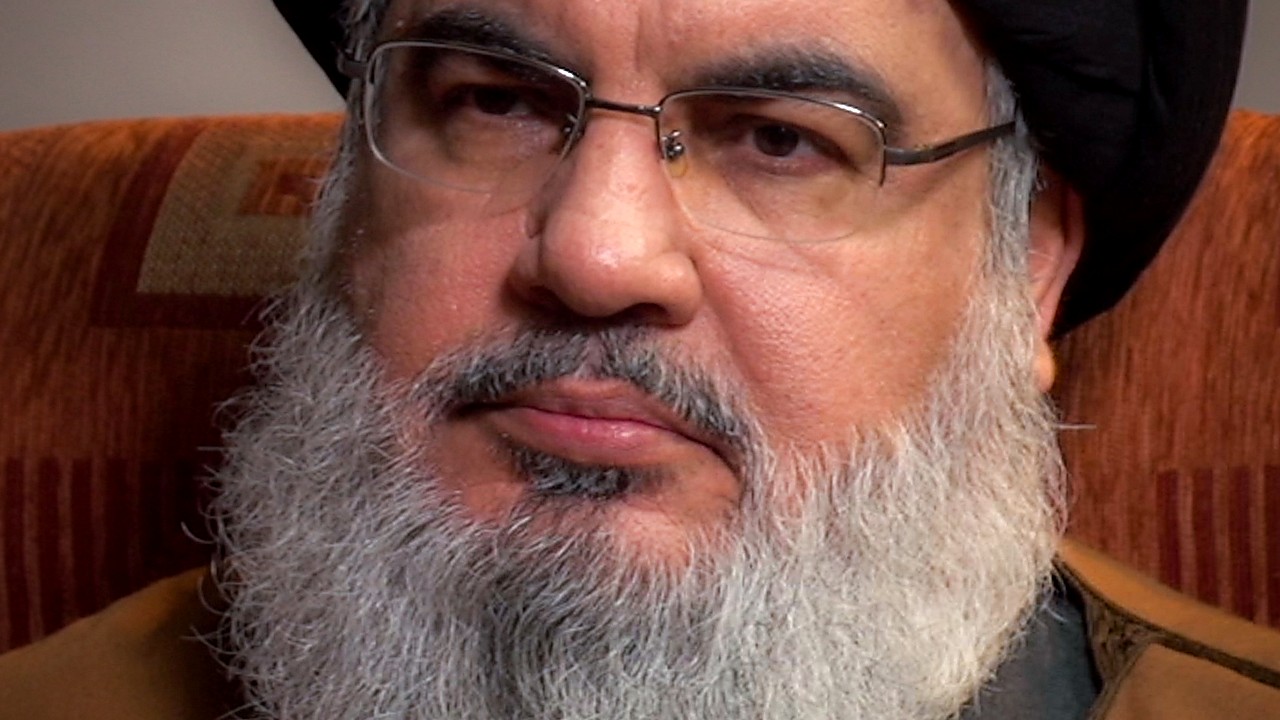
Hezbollah signaled it would not soften its stance after Israel and Lebanon agreed to extend their ceasefire, keeping the fragile truce in place while tensions remain high along the border.
The extension was announced publicly by President Donald Trump, who said Israel and Lebanon had agreed to continue the ceasefire for three more weeks. Multiple outlets also reported the extension followed a White House meeting, underscoring direct U.S. involvement in the talks.
The ceasefire concerns fighting between Israel and Hezbollah, the Iran-backed group based in Lebanon that has battled Israeli forces and exchanged attacks across the frontier. While the truce has been extended, Hezbollah has projected defiance rather than compromise, according to reporting describing the group and its supporters as resisting pressure tied to the deal.
Reports in the days surrounding the extension pointed to continuing security incidents. The Times of Israel reported that Lebanon was seeking a longer, one-month extension and said Hezbollah again targeted troops with a drone. France 24 separately described Hezbollah supporters as defiant after losing family members in fighting with Israel, reflecting the depth of anger among the group’s base even as diplomatic efforts focus on keeping the ceasefire from collapsing.
The development matters because the extension is aimed at preventing a renewed escalation on the Israel-Lebanon front at a moment when the situation remains volatile. A time-limited truce can create space for negotiations and for stabilizing steps on the ground, but the reporting indicates political and military pressure on the ceasefire remains, including from Hezbollah’s posture and from continued reports of attacks.
The announcement also matters because it places Washington directly in the center of efforts to manage the conflict. By publicly stating the terms of the extension, Trump tied the administration to the outcome and raised expectations that the U.S. will continue to press both sides to maintain the pause in fighting.
What happens next will hinge on whether the ceasefire holds through the new deadline and whether talks produce agreement on a longer extension or additional terms. With only a three-week window, the clock is already running on the next round of negotiations, and further decisions could come quickly if violence continues or if either side signals it will not accept another extension.
For now, the ceasefire remains in effect under a new timetable, but the latest statements and reporting make clear the truce is being extended against a backdrop of continued defiance and unresolved conflict.