Hormuz Tanker Traffic Jumps After U.S.-Iran Sea Lane Deal
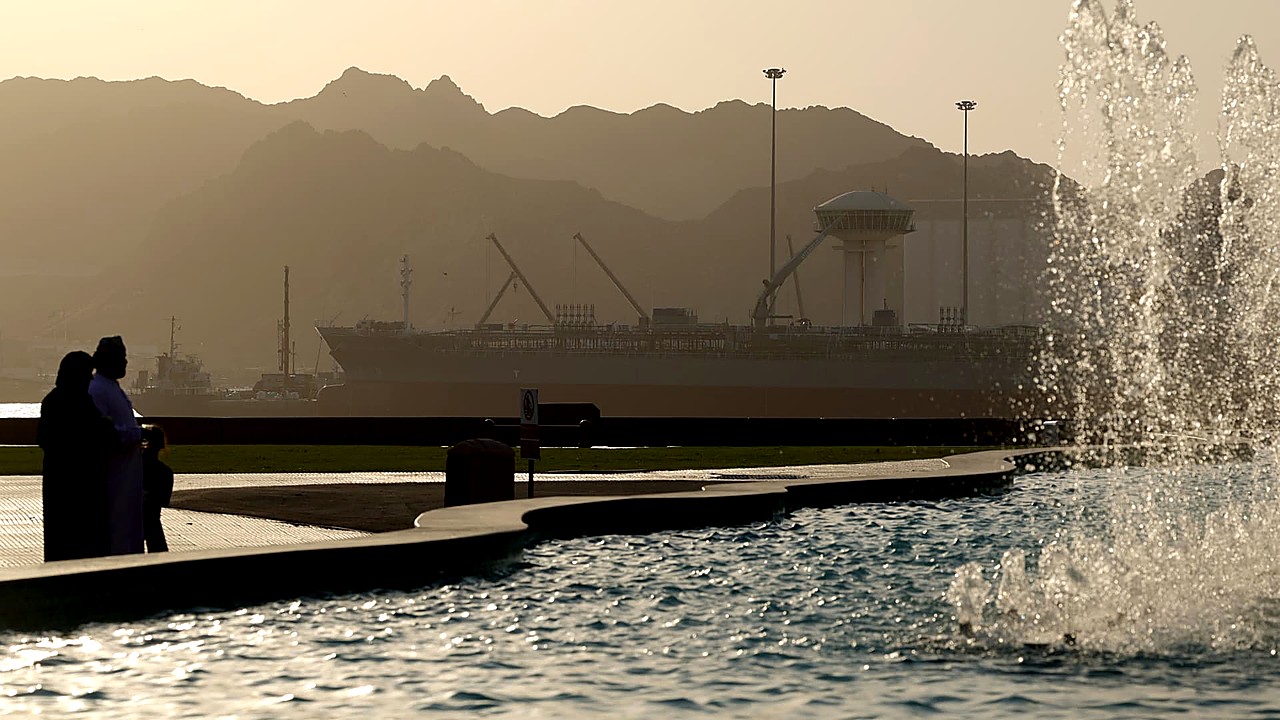
Oil tanker traffic through the Strait of Hormuz has jumped after the United States and Iran implemented a deal aimed at opening a sea lane through the strategic waterway, according to CNBC.
The Strait of Hormuz sits between the Persian Gulf and the Gulf of Oman, serving as a narrow maritime chokepoint for global crude shipments. The reported increase in tanker transits comes immediately after the two countries moved forward with an agreement intended to improve passage for commercial vessels.
Details of the agreement have not been made public. The New York Times reported that the United States and Iran signed a preliminary deal but that its terms remain secret. Neither outlet, in the reporting cited, disclosed specific operational rules, enforcement mechanisms, or timelines beyond the implementation step referenced in the CNBC headline.
Still, the immediate shift in tanker movement underscores the Strait’s outsized importance to energy markets and maritime commerce. The waterway is one of the most closely watched routes for oil transport, and any change in access, security, or shipping patterns can quickly affect decisions by shipowners, insurers, traders, and governments.
The development also carries diplomatic weight. A deal between Washington and Tehran affecting a vital international waterway signals a notable change in how the two countries are managing tensions tied to maritime passage. Even without public terms, the fact that a sea-lane arrangement has been implemented suggests a channel of communication and coordination on an issue with direct global economic implications.
The increase in traffic matters because it indicates that more vessels are transiting a corridor that has long been associated with geopolitical risk. For exporters in the region and importing countries dependent on Gulf crude, reliable passage can translate into fewer delays and more predictable shipping schedules. For companies moving oil, changes in routing decisions can influence costs and delivery planning.
What happens next will likely hinge on whether the preliminary agreement becomes a more formal, fully disclosed arrangement and how consistently it is applied. Shipping industry participants and governments will be watching for any additional announcements from U.S. and Iranian officials, as well as any guidance that clarifies procedures for passage through the sea lane.
For now, the clearest visible effect is on the water: more oil tankers moving through the Strait of Hormuz following the implementation of a U.S.-Iran deal meant to keep that corridor open.