How Regular Home Maintenance Can Save You Time and Money
How Regular Home Maintenance Can Save You Time and Money
Owning a home is one of the most fulfilling experiences many people can have, but it also comes with responsibilities. One of the most important—and often overlooked—aspects of homeownership is regular maintenance. While it may seem like a hassle or an unnecessary expense, routine upkeep can actually save you a significant amount of time, money, and stress in the long run.
Why Regular Home Maintenance Matters
Many homeowners tend to focus on fixing problems only when they arise. However, waiting for signs of damage or malfunction can lead to costly repairs and extended inconveniences. Regular home maintenance ensures that your property stays in top condition, preventing minor issues from escalating into major problems.
Think of your home like a car: scheduling regular oil changes and inspections prevents bigger, more expensive repairs. The same principle applies to your house. Addressing small tasks consistently can improve safety, enhance comfort, and increase the overall value of your property.
Time Savings through Preventive Care
When you keep to a routine maintenance schedule, you greatly reduce the likelihood of unexpected emergencies. These emergencies often require immediate attention, throwing your personal schedule into disarray and prolonging downtime while waiting for repairs.
- Early Detection of Problems: Regular inspections help identify issues when they are still minor and manageable, like detecting a roof leak before it causes significant water damage.
- Efficient Planning: Scheduling routine maintenance tasks like HVAC servicing or gutter cleaning ahead of time allows you to allocate time in a convenient manner rather than dealing with urgent repairs.
- Reduced Disruptions: Emergencies often come with downtime and stress. Preventive maintenance keeps your home systems running smoothly, minimizing interruptions to your daily life.
Financial Benefits of Consistent Home Maintenance
From a financial perspective, regular home maintenance can prevent costly repairs, save energy, and protect your home’s value.
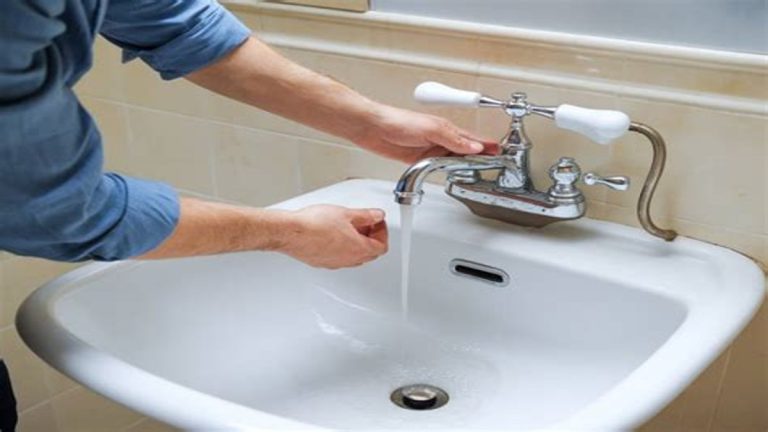
- Lower Repair Costs: Fixing a small drip under your sink is far less expensive than replacing the entire plumbing system. Similarly, routine HVAC maintenance can prevent expensive breakdowns during peak seasons.
- Energy Efficiency: Maintaining insulation, sealing gaps, and servicing heating and cooling systems help your home consume less energy, which translates into lower utility bills.
- Increased Property Value: A well-maintained house not only looks attractive but also commands a higher market price. This can be a major advantage if you decide to sell your home in the future.
Key Areas to Focus on for Regular Maintenance
To effectively save time and money, it is important to know which parts of your home require routine attention. Here are some key areas every homeowner should include in their maintenance checklist:
1. Roof and Gutters
- Clean gutters regularly to prevent water buildup, which can cause roof damage and basement flooding.
- Inspect shingles and flashing for damage and repair as needed to avoid leaks.
2. Heating, Ventilation, and Air Conditioning (HVAC)
- Change or clean HVAC filters every 1-3 months to maintain efficiency and air quality.
- Schedule annual professional inspections to identify potential malfunctions early.
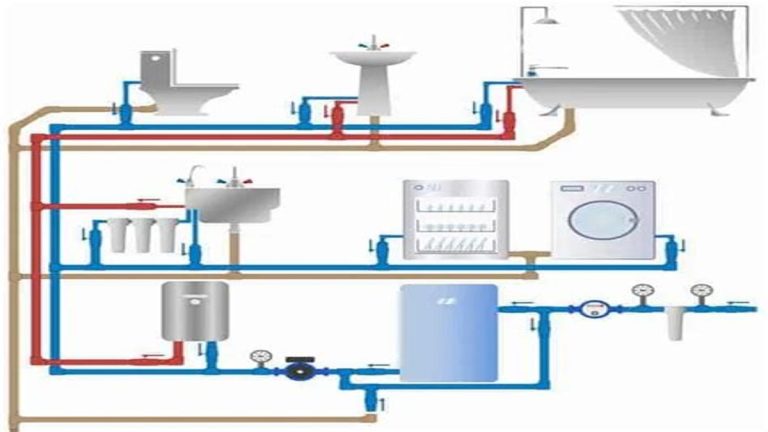
3. Plumbing Systems
- Check for leaks under sinks and around toilets regularly.
- Maintain water pressure to avoid pipe damage – installing pressure regulators if necessary.
- Winterize pipes in colder climates to prevent freezing and bursting.
4. Electrical Components
- Test smoke alarms and carbon monoxide detectors monthly; replace batteries annually.
- Inspect cords, outlets, and circuit breakers for wear and tear.
- Ensure outdoor lighting is in working condition for safety.
5. Exterior and Landscaping
- Inspect walls and foundations for cracks or settling.
- Maintain paint and caulking to protect from weather damage.
- Trim trees and shrubs away from the house to avoid pest infestation and structural damage.
Creating a Home Maintenance Schedule
To stay on top of these tasks, creating a monthly or seasonal home maintenance calendar is essential. Breaking the work into manageable chunks prevents overwhelm and ensures nothing is forgotten.
- Monthly Tasks: Clean HVAC filters, test alarms, check plumbing for leaks, inspect fire extinguishers.
- Seasonal Tasks: Deep clean gutters in spring and fall, test heating system in autumn, prepare landscaping in spring.
- Annual Tasks: Professional HVAC inspection, roof inspection, termite and pest control service, servicing major appliances.
When to Call a Professional
While many maintenance tasks are simple and DIY-friendly, some require professional expertise to ensure safety and effectiveness. For instance, electrical repairs, extensive plumbing issues, and roof work should typically be handled by licensed contractors. Regular inspections by professionals can also catch hidden problems before they become visible.
Conclusion
Regular home maintenance is more than just a chore—it is a smart investment of your time and money. By being proactive, you can avoid costly repairs, reduce energy expenses, and extend the life of your home’s systems and structure. Establishing a practical maintenance schedule tailored to your home’s specific needs will help you enjoy a safe, comfortable living environment and preserve your property’s value for years to come.