How to Clean Air Conditioner Filters
Maintaining your air conditioner is essential for ensuring optimal performance, energy efficiency, and air quality. One of the most important but often overlooked parts of air conditioner maintenance is cleaning the filters. Clean filters help your air conditioner work more efficiently, reduce energy consumption, and improve indoor air quality by trapping dust, allergens, and other pollutants.
In this comprehensive guide, we will walk you through the process of cleaning air conditioner filters, share some practical tips for routine maintenance, and highlight the benefits of keeping your filters spotless.
Why Clean Your Air Conditioner Filters?
Air conditioner filters are designed to trap dust, pollen, pet dander, spores, and other airborne particles. Over time, these particles accumulate on the filter’s surface, reducing airflow and making your AC work harder to cool your space.
- Improved Efficiency: A clean filter allows air to flow freely, preventing your unit from overworking and consuming excess energy.
- Better Air Quality: Filters trap pollutants that can aggravate allergies and respiratory issues. Cleaning them regularly helps maintain fresher, cleaner indoor air.
- Longer Lifespan: Keeping filters clean reduces strain on your AC components, extending the life of your unit and preventing costly repairs.
How Often Should You Clean Your Air Conditioner Filters?
The frequency of cleaning depends on several factors, such as the type of AC unit, environmental conditions, and usage. As a general rule:
- During heavy use seasons (summer and winter), clean your filters every 2 to 4 weeks.
- If you have pets or live in a dusty area, you might need to clean them more often.
- For less intensive use, cleaning once every 1 to 3 months might suffice.
Always consult your manufacturer’s guidelines for specific recommendations related to your model.
Tools and Materials You’ll Need
Before starting, gather everything you need to clean your air conditioner filters efficiently:
- A vacuum cleaner with a brush attachment
- Warm water
- Mild detergent or dish soap
- A soft brush or sponge
- A clean towel for drying
- A comfortable workspace
Step-by-Step Guide to Cleaning Air Conditioner Filters
Step 1: Turn Off the Air Conditioner
For safety reasons, always turn off your air conditioner before attempting to remove the filters. This helps prevent any accidents and protects the unit’s inner components.
Step 2: Locate and Remove the Filters
The filter position varies depending on the type of AC unit:
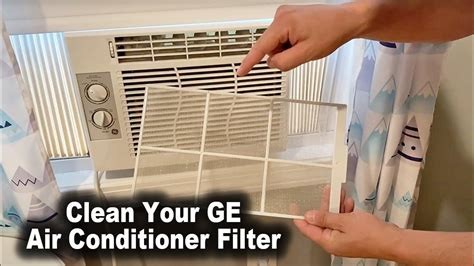
- Window units: Filters are generally behind the front panel.
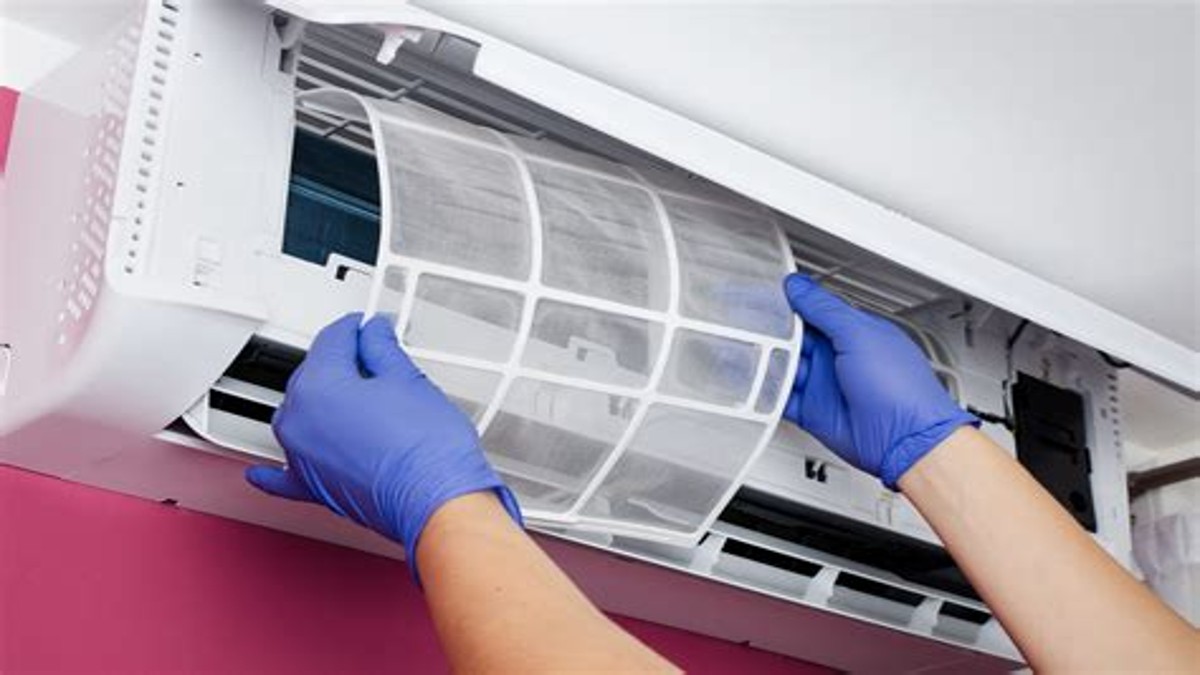
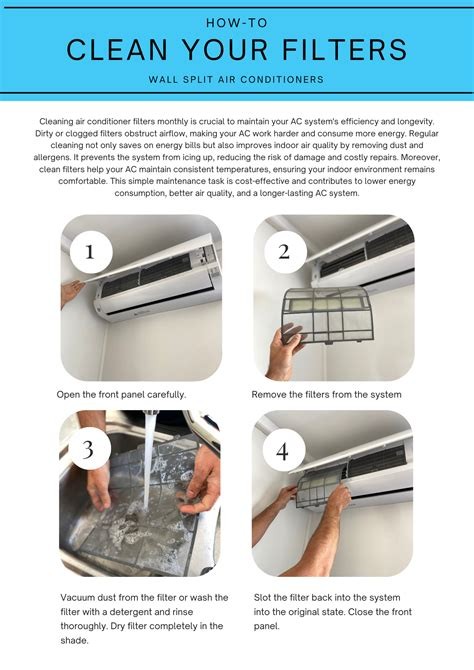
- Split systems: Filters are usually inside the indoor unit, just behind the front cover.
- Central AC: Filters can be located in the return air duct or inside the blower compartment.
Refer to your user manual if you’re unsure where to find or how to remove the filters. Carefully take them out without damaging the filter material.
Step 3: Vacuum the Filters
Start by removing loose dust and dirt using a vacuum cleaner equipped with a brush attachment. Gently run the brush over both sides of the filter to avoid damaging it. This initial step will minimize grime build-up before washing.
Step 4: Wash the Filters
After vacuuming, wash the filters with warm water and mild detergent:
- Fill a basin or sink with warm water.
- Add a few drops of mild detergent or dish soap.
- Submerge the filters and gently scrub with a soft brush or sponge to remove dirt and grease.
- Rinse thoroughly under running water to remove all soap residue.
Step 5: Dry the Filters Completely
Shake off excess water and lay the filters flat on a clean towel or hang them to air dry. It’s important the filters dry completely to prevent mold and mildew growth once reinstalled.
- Do not use direct sunlight or heat sources like hair dryers, as this could damage the filters.
- Ensure adequate airflow during drying.
Step 6: Reinstall the Filters
Once dry, carefully place the filters back into the air conditioner unit, making sure they fit properly. Replace any covers or panels and ensure everything is securely locked in place.
Step 7: Test the Unit
Turn your air conditioner back on and check for normal airflow and operation. If the unit is running smoothly with better airflow, your filter cleaning was successful.
Additional Tips for Maintaining Air Conditioner Filters
- Use Replacement Filters: Some filters are disposable and designed for replacement rather than cleaning. Check your model’s filter type and replace as needed.
- Regular Inspections: Even if not due for cleaning, inspect your filters frequently to catch excessive dust build-up early.
- Avoid Harsh Chemicals: Stick to mild detergents; strong chemicals can damage filter fibers and reduce efficiency.
- Schedule Professional Maintenance: Annual servicing by a qualified technician will ensure your entire air conditioning system remains in optimal condition.
Benefits of Keeping Your Air Conditioner Filters Clean
Consistent cleaning of your air conditioner filters brings several advantages:
- Lower Energy Bills: Clean filters reduce strain on your air conditioner, lowering electricity costs.
- Better Cooling Performance: Your room will reach the desired temperature faster and maintain comfort more effectively.
- Healthier Indoor Environment: Removing dust and allergens improves air quality, helping reduce allergies and respiratory problems.
- Prevention of System Breakdowns: Clean filters minimize wear and tear, avoiding costly repairs and unexpected breakdowns.
Conclusion
Cleaning your air conditioner filters is a simple but vital maintenance task that can significantly impact your unit’s efficiency, lifespan, and your indoor air quality. With the right tools and a little time, you can easily clean your filters following the steps outlined above. Remember to clean or replace your filters regularly, especially during high-usage periods, to enjoy consistent comfort and energy savings year-round.
By taking good care of your air conditioner filters, you not only improve the performance of your cooling system but also create a healthier living environment for you and your family.