How to Fix Common Plumbing Issues to Keep Your Home Running Smoothly
How to Fix Common Plumbing Issues to Keep Your Home Running Smoothly
Plumbing problems are a common headache for homeowners. A leaky faucet or a clogged drain might seem minor at first but can quickly escalate into costly repairs if ignored. Knowing how to address basic plumbing issues can save you time, money, and stress. This guide will walk you through some of the most common household plumbing problems and provide practical, easy-to-follow solutions to fix them effectively.
1. Fixing a Leaky Faucet
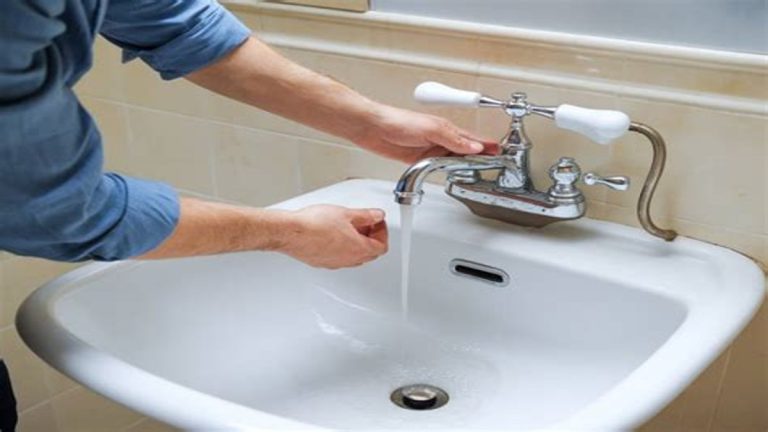
A dripping faucet is not only annoying but also wastes a significant amount of water over time. Most leaks stem from worn-out washers, O-rings, or seals inside the faucet. Here’s how to tackle this issue:
- Turn off the water supply: Locate the shutoff valves beneath the sink and turn them clockwise to stop the water flow.
- Disassemble the faucet: Use a wrench or screwdriver to remove the handle and access the internal components.
- Inspect washers and O-rings: Check for any damage or wear. Replace these parts with new ones from a hardware store.
- Reassemble and test: Put the faucet back together and turn the water supply on. Check if the dripping has stopped.
Fixing a leaky faucet yourself can be relatively simple and prevents water waste and higher utility bills.
2. Clearing a Clogged Drain
Slow or clogged drains are a frustrating problem that can hinder your daily routine. The cause is often a build-up of hair, grease, soap scum, or food particles in bathroom and kitchen drains. Here are steps to clear most blockages:
- Boiling water: Pour boiling water down the drain in stages to dissolve grease or soap buildup.
- Use a plunger: For sinks, a plunger can dislodge items causing slow drainage. Make sure there’s enough water to cover the plunger cup for effective suction.
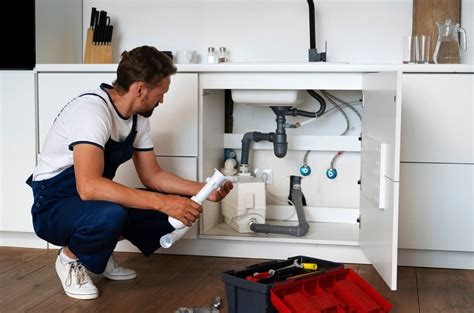
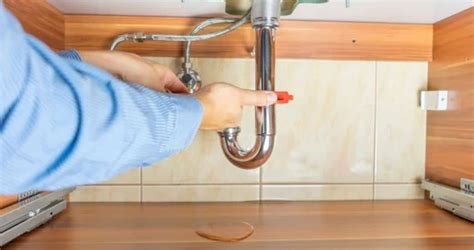
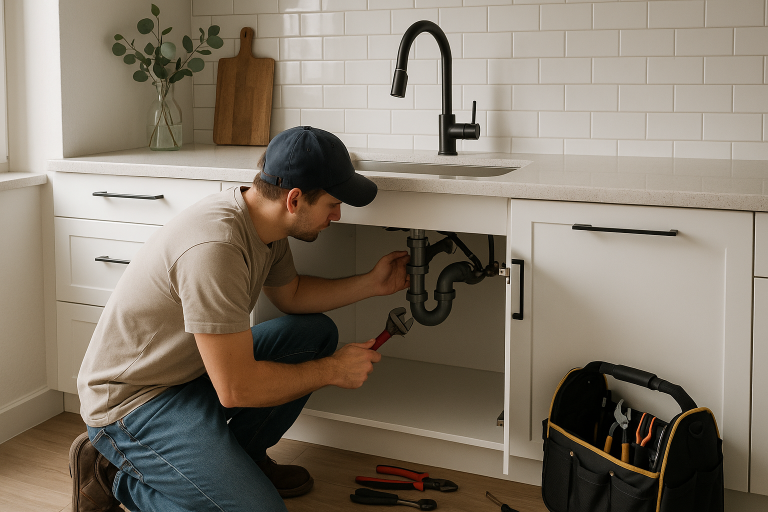
- Remove and clean the trap: Under the sink, the U-shaped pipe (trap) often collects debris. Put a bucket underneath, unscrew the trap, clean it out, and reattach.
- Try a drain snake: A plumbing snake or auger can reach deep clogs that a plunger cannot.
Avoid using chemical drain cleaners regularly as they can damage pipes and harm the environment.
3. Repairing a Running Toilet
If your toilet keeps running after flushing, it wastes water and raises your water bill. The problem is usually related to parts inside the tank such as the flapper, fill valve, or flush valve seal. To fix a running toilet:
- Remove the tank lid: Carefully take off the lid and set it aside.
- Check the flapper: The flapper is a rubber seal at the bottom of the tank. If it doesn’t close properly, replace it with a new one.
- Adjust the float: The float regulates water level inside the tank. Adjust the float arm or ball to stop water from overflowing into the overflow tube.
- Inspect the fill valve: Replace faulty fill valves to ensure the tank fills correctly without running continuously.
With these adjustments, your toilet should stop running and conserve water.
4. Fixing Low Water Pressure
Low water pressure can affect showers, faucets, and appliances, leading to an inefficient home experience. Causes include pipe corrosion, clogged aerators, or municipal supply issues. Try these fixes:
- Clean faucet aerators: Remove the aerator screen on the tip of faucets and clean out any built-up debris or mineral deposits.
- Check showerheads: Soak showerheads in vinegar to dissolve mineral buildup, restoring proper water flow.
- Inspect visible pipes: Look for leaks or corrosion that could be restricting water flow, and call a professional if you find significant issues.
- Consult your water supplier: Sometimes, low pressure comes from the main supply, which requires the utility company’s attention.
Addressing low water pressure improves your home’s water efficiency and comfort.
5. Repairing a Running Garbage Disposal
A constantly running or jammed garbage disposal is both annoying and potentially hazardous. Most problems arise from jams or faulty electrical switches. Here’s how to troubleshoot:
- Turn off the power: Disconnect power at the wall outlet or breaker to avoid injury.
- Use an Allen wrench: Locate the hex-shaped hole at the bottom center of the disposal. Use an Allen wrench to manually rotate the blades and free any jams.
- Press the reset button: The red reset button on the bottom of the unit can reset the disposal if it overheated or stopped working.
- Avoid harsh chemicals: Never pour chemical drain cleaners into the garbage disposal as they can damage the unit.
Regular maintenance and proper use prevent common garbage disposal issues.
6. Sealing Pipe Leaks
Small pipe leaks under sinks or behind walls can cause water damage and mold growth if left unattended. To fix minor leaks:
- Identify the leak: Look for water drips, wet spots, or corrosion on pipes.
- Turn off the main water valve: Stop water flow to the damaged area.
- Use pipe repair tape or epoxy putty: For small cracks or holes, seal these with plumber’s tape or a two-part epoxy.
- Replace damaged sections: For persistent leaks, cut out and replace the affected pipe segment using appropriate connectors and seals.
Persistent or large leaks require professional plumbing assistance to avoid serious damage.
Conclusion
Understanding how to fix common plumbing problems empowers you to maintain a smooth-running home and avoid costly repairs. Whether it’s a leaky faucet, clogged drain, or running toilet, many issues can be resolved with basic tools and a little know-how. Remember to turn off water supplies before repairs and maintain your plumbing regularly. For complex problems or if you’re unsure, don’t hesitate to contact a licensed plumber. Taking these simple steps will help you keep your home comfortable, efficient, and worry-free.