How to Identify and Fix Common Plumbing Issues in Your Home
How to Identify and Fix Common Plumbing Issues in Your Home
Plumbing problems can be a major inconvenience and, if left unchecked, can lead to costly repairs. Knowing how to identify and resolve common plumbing issues can save you time, money, and stress. In this guide, we’ll walk you through some of the most frequent plumbing troubles homeowners face and offer practical solutions to fix them.
1. Leaky Faucets
One of the most common plumbing annoyances is a dripping faucet. Not only is it irritating, but it can also waste a significant amount of water and increase your water bill.
- How to Identify: You will hear a constant drip or see water accumulating around the faucet even when it’s turned off.
- Common Causes: Worn out washers, O-rings, or corrosion inside the valve seat.
- How to Fix: Turn off the water supply, disassemble the faucet, and inspect the faucet components. Replace washers or O-rings as needed. If parts look corroded, consider replacing the valve seat or the entire faucet component.
2. Running Toilet
A running toilet is more than just a nuisance – it wastes gallons of water every day.
- How to Identify: You’ll hear water constantly running in the toilet tank even after a flush, or you might notice water trickling into the bowl continuously.
- Common Causes: Faulty flapper valve, chain problems, or an improperly adjusted float.
- How to Fix: Open the toilet tank and inspect the flapper. If it looks worn or damaged, replace it. Adjust the chain length so the flapper closes completely. You can also adjust the float to the proper water level to stop overflow.
3. Slow Draining Sink
A sink that drains slowly is often an indication of a clog, which can cause backups and unpleasant odors.
- How to Identify: Water pools in the sink and takes a long time to drain.
- Common Causes: Buildup of hair, grease, soap scum, or debris in the drainpipe.
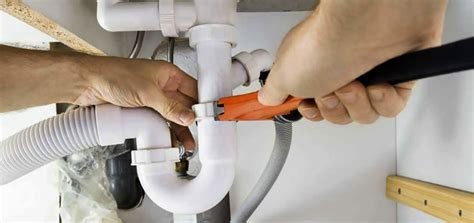
- How to Fix: Use a plunger first to clear minor clogs. If that doesn’t work, try removing the drain trap under the sink and cleaning it out manually. For persistent clogs, a mixture of baking soda and vinegar followed by boiling water can help break down buildup. Avoid using chemical drain cleaners as they can damage pipes over time.
4. Low Water Pressure
Water pressure issues can affect showers, faucets, and appliances, making everyday tasks frustrating.
- How to Identify: Noticeably weak or inconsistent water flow from faucets or showerheads.
- Common Causes: Mineral deposits clogging aerators or showerheads, leaking pipes, or problems with the main water supply.
- How to Fix: Remove faucet aerators and showerheads and soak them in vinegar to dissolve mineral buildup. Check for visible leaks in exposed pipes. If the problem persists, consider contacting your water provider to verify pressure levels or hire a professional plumber if leaks are suspected inside the walls.
5. Water Heater Issues
A malfunctioning water heater can result in no hot water, inconsistent temperatures, or strange noises.
- How to Identify: Water temperature fluctuates or no hot water is available, or you may hear popping or rumbling sounds from the unit.
- Common Causes: Sediment buildup, a faulty thermostat, or a broken heating element.
- How to Fix: Flush the water heater to remove sediment (follow the manufacturer’s instructions for safety). Check the thermostat setting and adjust if needed. If the heating element is faulty, it may need to be replaced, which might require professional assistance.
6. Clogged Toilets
Toilets that won’t flush properly or back up are a common plumbing issue that can disrupt daily routines.
- How to Identify: Water rises in the toilet bowl but drains slowly or not at all.
- Common Causes: Excessive toilet paper, foreign objects, or buildup in the pipes.
- How to Fix: Use a plunger specifically designed for toilets to try to dislodge the clog. If that doesn’t work, a toilet auger can reach deeper blockages. Avoid flushing non-flushable items to prevent future clogs.
7. Burst or Leaking Pipes
Pipes that leak or burst are serious issues requiring immediate attention to prevent water damage.
- How to Identify: Visible water leaks, damp spots on walls or floors, strange noises when water runs, or sudden drops in water pressure.
- Common Causes: Pipe corrosion, freezing temperatures causing expansion, or accidental damage.
- How to Fix: Turn off the main water supply immediately. For small leaks, use epoxy putty or pipe repair tape as a temporary fix. For burst pipes or persistent leaks, call a professional plumber for repairs or pipe replacement.
8. Sump Pump Failure
In homes prone to flooding, a sump pump failure can cause significant water damage to basements and crawl spaces.
- How to Identify: Basement water accumulation or a sump pump that doesn’t activate during heavy rains.
- Common Causes: Power outages, clogged pump intake, or mechanical failure.
- How to Fix: Inspect the sump pump for debris clogging the intake screen. Test the pump by pouring water into the sump pit to see if it activates. Ensure the pump is plugged in and the circuit breaker is on. Consider installing a battery backup system to keep the pump running during outages.
Tips to Prevent Plumbing Problems
- Regularly inspect exposed pipes for signs of corrosion or leaks.
- Be mindful of what you flush or pour down drains—avoid grease, coffee grounds, and large amounts of paper products.
- Install water softeners if you have hard water to reduce mineral buildup.
- Insulate pipes in cold areas to prevent freezing.
- Schedule annual maintenance with a licensed plumber to catch issues early.
Conclusion
Identifying and fixing common plumbing issues quickly can prevent further damage and costly repairs in your home. Many plumbing problems are manageable with some basic knowledge and the right tools. However, if you encounter complex issues or feel unsure about a repair, it’s always best to consult a professional plumber. By staying vigilant and proactive, you can keep your home’s plumbing system running smoothly for years to come.