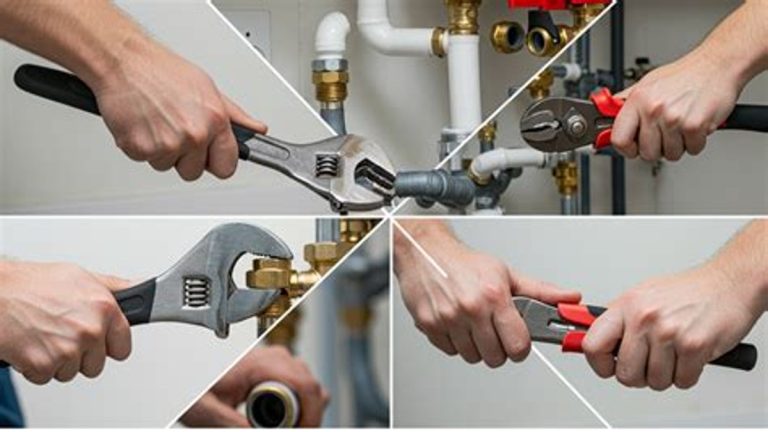
How to Keep Your Home Plumbing in Top Shape Through Simple DIY Maintenance
How to Keep Your Home Plumbing in Top Shape Through Simple DIY Maintenance
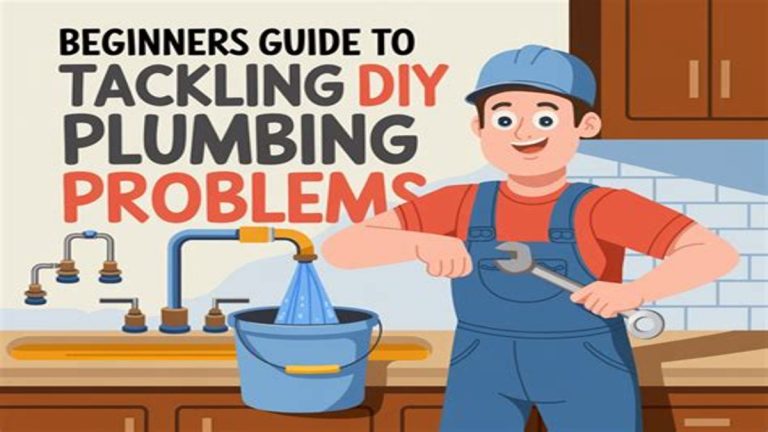
Your home’s plumbing system plays a critical role in everyday life—from providing clean water to managing wastewater efficiently. Yet, it is often one of the most overlooked parts of home maintenance. Minor issues, if left unattended, can quickly escalate into costly repairs or even cause water damage. Fortunately, many common plumbing issues can be prevented or resolved with simple DIY maintenance. This guide will help you keep your plumbing in top shape without always needing a professional.
Why Regular Plumbing Maintenance Matters
Routine maintenance prevents small plumbing problems from turning into major headaches. Leaks, clogs, and corrosion can lead to inefficiencies, inflated water bills, and potential health hazards. Regularly caring for your plumbing can extend the lifespan of pipes and fixtures, maintain water quality, and keep your home running smoothly.
Essential DIY Plumbing Maintenance Tips
- Inspect Your Pipes and Fixtures Regularly
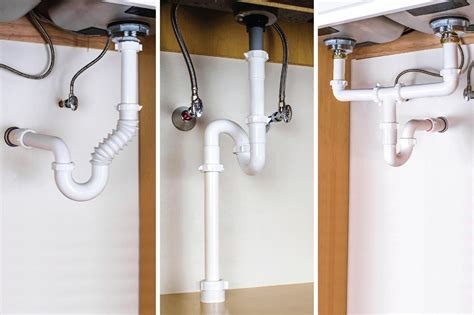
One of the simplest yet most effective ways to keep your plumbing healthy is performing regular visual inspections. Look for signs of leaks around faucets, toilets, and exposed pipes. Check under sinks and around appliances like washing machines and dishwashers. Catching small leaks early can prevent water damage and mold growth.
- Clear Clogs Before They Become Blockages
Drains can get clogged with hair, soap scum, grease, and food debris. While stubborn blockages might require professional help, many minor clogs can be cleared at home using techniques like:
- Using a plunger on sinks and toilets
- Removing and cleaning drain stoppers
- Flushing drains with a mixture of baking soda and vinegar followed by hot water
- Using a drain snake for deeper clogs
Avoid chemical drain cleaners whenever possible as they can corrode pipes and cause long-term damage.
- Maintain Your Water Heater
Your water heater is vital for consistent hot water supply. To keep it functioning efficiently:
- Flush the tank annually to remove sediment buildup
- Check the pressure relief valve for proper operation
- Adjust the thermostat to an optimal temperature (usually around 120°F or 49°C)
- Inspect for any signs of leaks or corrosion
Performing these simple steps can improve your water heater’s performance and increase its lifespan.
- Prevent Frozen Pipes in Cold Weather
Frozen pipes can burst, causing extensive damage. To protect your home during winter:
- Insulate exposed pipes, especially those in basements, crawl spaces, or exterior walls
- Seal gaps near plumbing where cold air might enter
- Let faucets drip slightly to keep water moving
- Keep indoor areas warm, even if you are away
Taking these precautionary steps can save you a lot of trouble and money.
- Check Toilets for Running or Leaking
Running toilets waste water and indicate an internal problem. To check if your toilet is running:
- Listen closely after flushing for continuous water sound
- Place a few drops of food coloring in the toilet tank; if color seeps into the bowl without flushing, there’s a leak
Fixing a running toilet often involves replacing the flapper valve or adjusting the float. These parts are inexpensive and simple to install yourself.
How to Properly Use Faucets and Fixtures
Good habits also help preserve plumbing:
- Avoid turning water on and off forcefully to reduce stress on valves
- Do not use excessive force when tightening faucet handles
- Use aerators on taps to reduce water flow without sacrificing pressure, saving water and reducing strain
- Fix dripping faucets promptly to conserve water and prevent erosion of fixtures
Why You Should Know Where Your Main Water Shut-Off Valve Is
In case of an emergency like a major leak, flooding, or burst pipe, quickly shutting off the main water valve can prevent extensive damage. Ensure you know where this valve is located, and teach everyone in the household how to turn it off. Regularly test the valve to confirm it works smoothly when needed.
When to Call a Professional
While DIY plumbing maintenance covers many tasks, some situations require expert attention. Call a licensed plumber if you encounter:
- Persistent or severe leaks
- Low water pressure issues that aren’t improved by basic checks
- Water discolored with rust or foul smells
- Major pipe corrosion or damage
- Complex water heater repairs beyond simple flushing or valve replacement
- Installation or replacement of plumbing fixtures
Knowing your limits will keep you safe and prevent accidental damage or injury.
Conclusion
Maintaining your home’s plumbing through simple DIY upkeep is a practical way to prevent costly problems and ensure reliable performance. Regular inspections, timely unclogging, water heater care, and winter preparation are key steps that anyone can manage. With these easy habits, you can protect your plumbing system and enjoy peace of mind in your home.