How to Keep Your Home Plumbing in Top Shape Without Calling a Professional
How to Keep Your Home Plumbing in Top Shape Without Calling a Professional
Maintaining a well-functioning plumbing system is essential for every homeowner. While plumbing issues can be stressful and costly, many common problems can be prevented or fixed without the immediate need to call a professional plumber. Understanding basic plumbing care and performing regular maintenance can save you time, money, and the headache of emergency repairs.
1. Regularly Inspect Your Plumbing System
One of the simplest ways to keep your plumbing in top shape is to regularly inspect your pipes, faucets, and fixtures. Early detection of leaks or corrosion can prevent bigger issues down the line.
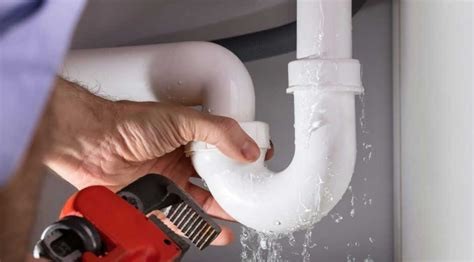
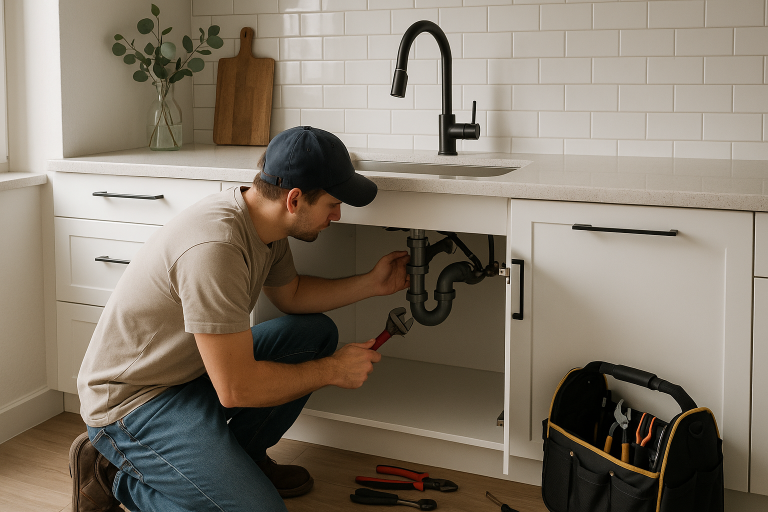
- Check Under Sinks: Look for any signs of leaks, water damage, or mold. Even small drips can lead to significant damage over time.
- Inspect Visible Pipes: Pipes in basements or crawlspaces should be monitored for rust or moisture buildup.
- Keep An Eye on Water Bills: Unexplained increases can indicate hidden leaks.
2. Prevent Clogs with Simple Habits
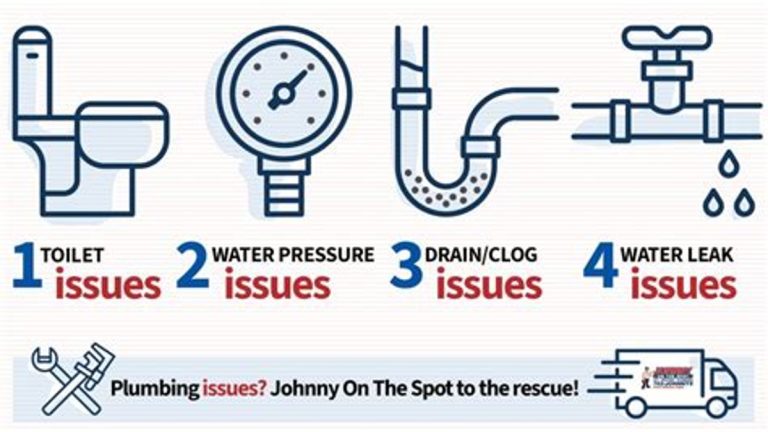
Clogged drains and toilets are among the most frequent plumbing problems homeowners face. Practicing preventive measures can drastically reduce their occurrence.
- Use Drain Screens: Place screens over drains to catch hair, food particles, and debris.
- Avoid Pouring Grease Down Drains: Hot grease solidifies and clogs pipes; instead, collect it in a container and dispose of it in the trash.
- Dispose of Waste Properly: Avoid flushing items like wipes, feminine hygiene products, or paper towels, which can cause blockage.
- Flush Toilets Correctly: Limit flushing to human waste and toilet paper only.
3. Maintain Water Pressure
Keeping your water pressure at the right level prevents strain on pipes and fixtures, helping to avoid leaks and bursts.
- Check Pressure Regularly: Use a water pressure gauge to ensure it stays between 40-60 psi.
- Install a Pressure Regulator: If pressure is higher than recommended, installing a pressure regulator can protect your plumbing system.
4. Fix Minor Leaks Promptly
Small leaks are easier to fix when caught early, but if left unattended, they lead to water damage, mold, and higher utility bills.
- Faucet Leaks: Replace washers or O-rings when you hear dripping faucets or notice water pooling.
- Toilet Leaks: Use food coloring in the tank to check for leaks into the bowl. If colored water appears after 10 minutes, the flapper valve may need replacement.
- Pipe Leaks: Temporary fixes can include plumbing tape or pipe clamps until a permanent repair is made.
5. Keep Water Heater in Optimal Condition
Your water heater is an essential part of your plumbing system and needs regular maintenance to function efficiently.
- Flush the Tank Annually: Sediment buildup can reduce heating efficiency and damage the tank. Flushing removes buildup.
- Check the Temperature Setting: Set it to 120°F to save energy and prevent scalding.
- Inspect for Leaks or Rust: Early signs of corrosion can extend the life of your heater if addressed immediately.
6. Winterize Your Plumbing
Cold weather can wreak havoc on plumbing systems, especially in regions prone to freezing temperatures. Winterizing your pipes can prevent frozen pipes and costly repairs.
- Insulate Pipes: Use foam sleeves or heat tape on exposed pipes.
- Drain Outdoor Faucets: Shut off water supply to outdoor taps and drain leftover water.
- Keep the Home Warm: Maintain a consistent temperature inside, especially in areas where pipes run along exterior walls.
7. Use Natural Solutions for Drain Cleaning
Harsh chemical drain cleaners can damage your pipes over time. Instead, opt for natural, safe methods to clear minor clogs and maintain drain flow.
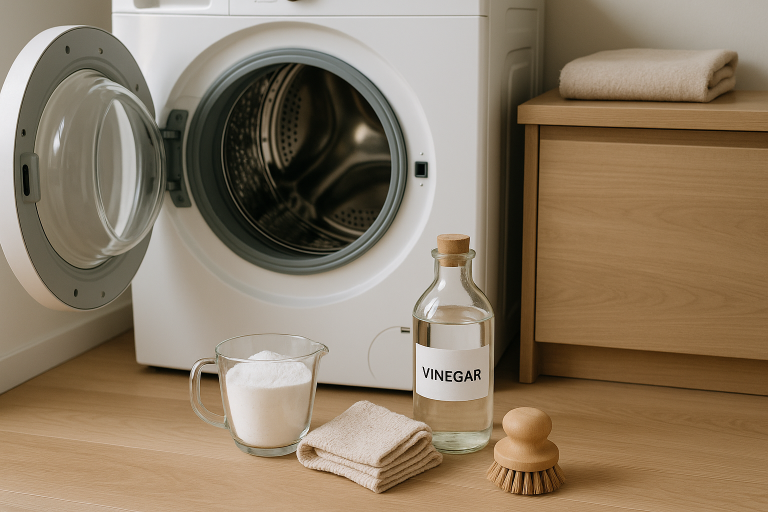
- Baking Soda and Vinegar: Pour half a cup of baking soda followed by one cup of vinegar down the drain. Let it fizz for 15 minutes, then flush with boiling water.
- Boiling Water: Pour boiling water down the drain weekly to dissolve grease and soap buildup.
- Manual Cleaning: Use a plunger or drain snake for stubborn blockages.
8. Know How to Shut Off Your Water Supply
In the event of an emergency, knowing how to quickly shut off your home’s main water supply valve can minimize water damage.
- Locate the Main Shutoff Valve: Typically found near the water meter or where the water line enters your house.
- Test the Valve: Turn it off and on periodically to ensure it doesn’t get stuck.
- Inform Household Members: Everyone should know where it is in case of emergencies.
9. Avoid DIY Plumbing Mistakes
While many tasks can be handled at home, some repairs require professional expertise. Avoid making your plumbing issues worse by understanding your limits.
- Don’t Use Excessive Force: Over-tightening or forcing pipes can cause cracks or leaks.
- Read Instructions: Follow manufacturer guidelines for fixtures and repairs.
- Use the Right Tools: Avoid makeshift solutions that could damage your plumbing system.
Conclusion
Keeping your home plumbing in top shape without calling a professional is achievable with a bit of knowledge and routine maintenance. By regularly inspecting your system, preventing clogs, promptly fixing leaks, and following proper winterizing steps, you can greatly extend the lifespan of your plumbing and avoid costly emergencies. While some major issues do require professional attention, mastering these basic tips empowers you to take control of your plumbing and enjoy a smoothly running home.