How to Keep Your Plumbing Efficient and Prevent Costly Repairs
How to Keep Your Plumbing Efficient and Prevent Costly Repairs
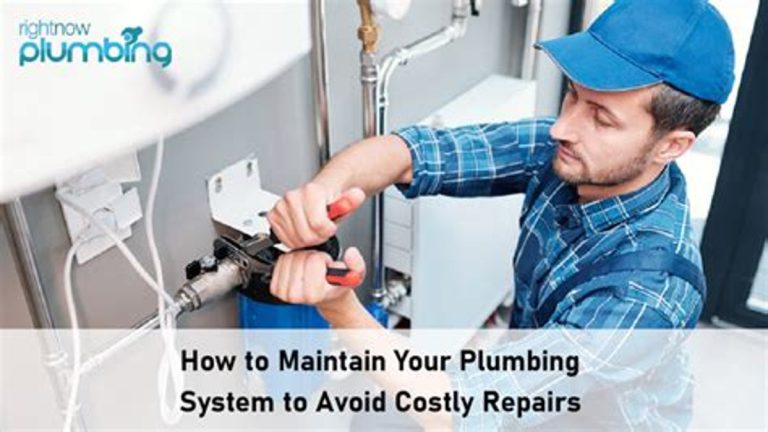
Maintaining an efficient plumbing system is essential for any homeowner. Not only does it ensure a steady flow of clean water, but it also helps avoid unexpected breakdowns and expensive repairs. Plumbing issues can disrupt daily life and cause significant damage if not addressed promptly. Fortunately, with some regular upkeep and mindful habits, you can keep your plumbing in top shape and extend its lifespan.
Understand Your Plumbing System
The first step to maintaining efficient plumbing is to have a clear understanding of your home’s plumbing layout. This includes knowing where main water lines, shutoff valves, water heaters, and drainage systems are located. Familiarize yourself with the following components:
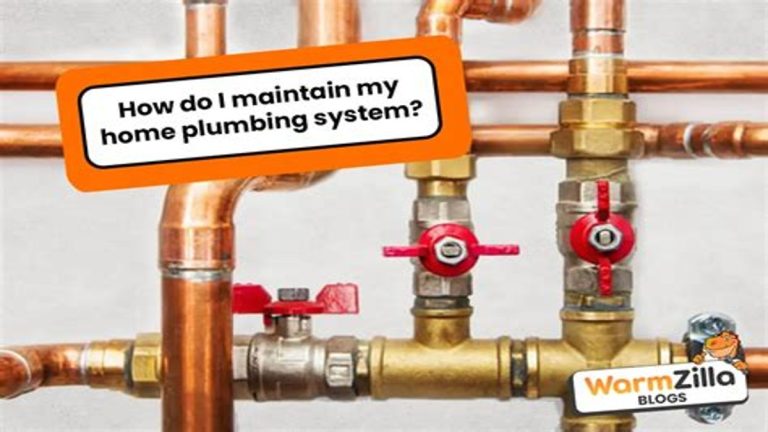
- Main water shutoff valve: This valve controls water flow to your entire home in case of an emergency or repair.
- Individual shutoff valves: Located under sinks or behind toilets, these control water supply to specific fixtures.
- Water heater: Supplies hot water throughout the house; requires regular inspection and maintenance.
- Drainage and vent system: Carries wastewater away and prevents sewer gases from entering your home.
Knowing where these elements are allows you to act quickly when problems arise and prevent further damage.
Regular Inspections and Maintenance
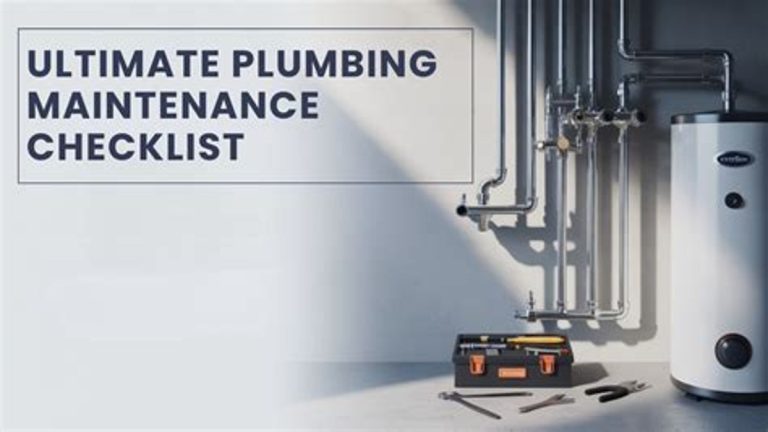
Routine inspections and maintenance are crucial to keeping plumbing systems working efficiently. Consider these important maintenance tasks:
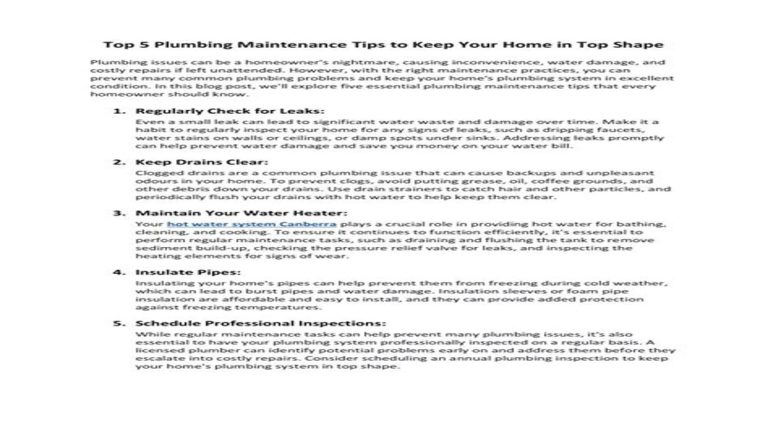
- Check for leaks: Leaks can waste water and cause structural damage. Inspect under sinks, around toilets, water heaters, and outdoor faucets regularly.
- Test water pressure: High water pressure can damage pipes and appliances. Ideal pressure usually ranges between 40-60 psi. Use a pressure gauge to monitor this.
- Clean drains: Slow or clogged drains are common issues. Avoid chemical drain cleaners which can damage pipes; instead, use natural solutions like baking soda and vinegar or a plunger.
- Flush your water heater: Sediment buildup reduces efficiency and damages the unit. Flushing your water heater once or twice a year can prevent this.
- Inspect your sump pump: If you have one, make sure it’s operational to prevent basement flooding.
- Maintain outdoor plumbing: Drain and shut off outdoor faucets during winter to prevent freezing and pipe bursts.
Adopt Good Plumbing Habits
Avoiding common mistakes can drastically reduce plumbing problems. Here are some habits to adopt:
- Don’t pour grease down the drain: Cooking oils solidify in pipes and cause clogs. Dispose of grease in a container or trash.
- Use drain screens: Prevent hair, soap scum, and food particles from entering drains by installing screens or strainers.
- Avoid flushing non-degradable items: Items like wipes, cotton balls, and feminine hygiene products can clog toilets and sewer lines.
- Be mindful of water usage: Reducing excessive water flow decreases wear on your pipes and water bills.
- Insulate pipes: Especially in colder climates, insulating pipes prevents freezing and bursting.
Know When to Call a Professional
While many minor plumbing issues can be handled by homeowners, some situations require professional expertise. Calling a plumber early can save you from larger repair costs later. Consider contacting a professional if you encounter:
- Persistent leaks that you cannot find or fix
- Severe low water pressure despite efforts to improve it
- Water heater malfunctions, such as lack of hot water or strange noises
- Major clogs that don’t respond to basic clearing methods
- Signs of water damage on walls, ceilings, or floors
- Foul sewage odors coming from drains
A licensed plumber can perform comprehensive system checks, identify hidden problems, and provide long-term solutions.
Upgrade When Necessary
Sometimes plumbing issues arise because of outdated or worn components. Older pipes made from galvanized steel or iron are more prone to corrosion and leaks. If you have an aging plumbing system, consider the following upgrades:
- Replace old pipes: Switch to modern materials like PEX or copper for durability.
- Install water-efficient fixtures: Low-flow toilets, faucets, and showerheads reduce water consumption and stress on plumbing.
- Add a water softener: Hard water causes mineral buildup inside pipes. A water softener protects your pipes and appliances.
- Upgrade your water heater: Modern tankless or high-efficiency models reduce energy usage and provide a consistent hot water supply.
Upgrading may involve an initial investment but offers long-term benefits in terms of efficiency, reliability, and savings.
Summary
Keeping your plumbing system efficient requires a combination of knowledge, regular maintenance, smart habits, and timely professional help. Inspect your system routinely, avoid harmful practices, and update components when needed to avoid costly repairs. A well-maintained plumbing system not only ensures comfort and convenience but also protects your home and wallet in the long run.
By implementing these practical tips, you’ll enjoy reliable plumbing and peace of mind for years to come.