How to Maintain Your Home’s Plumbing System for Peace of Mind
How to Maintain Your Home’s Plumbing System for Peace of Mind
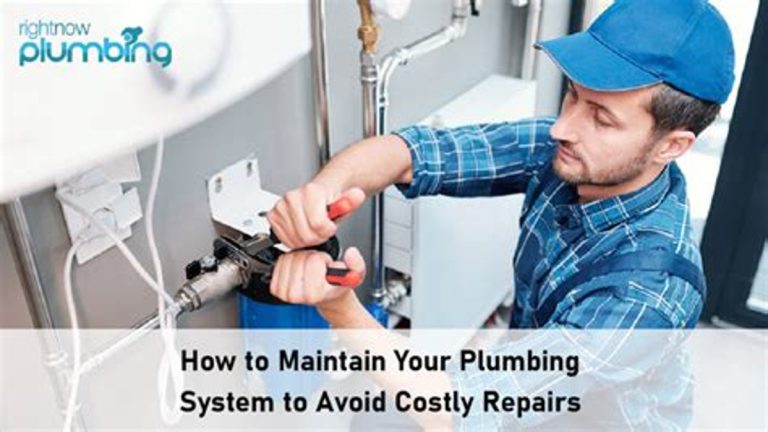
Maintaining your home’s plumbing system is essential for avoiding costly repairs and ensuring your household runs smoothly. A well-cared-for plumbing system not only prevents inconvenient emergencies but also improves water efficiency and protects your home’s structural integrity. Whether you’re a seasoned homeowner or new to taking care of your plumbing, understanding the basics can offer you peace of mind and save you money in the long run.
Why Regular Plumbing Maintenance Matters
Your plumbing system is a complex network of pipes, fixtures, and appliances designed to supply clean water and remove waste. Over time, wear and tear, mineral build-up, and accidental damage can affect its performance. Regular maintenance helps to:
- Prevent leaks that can cause water damage and mold growth
- Reduce the risk of costly and disruptive pipe bursts
- Improve water pressure and flow throughout your home
- Extend the lifespan of plumbing fixtures and appliances
- Help conserve water and reduce utility bills
Simple Steps to Maintain Your Plumbing System
Many homeowners overlook small maintenance tasks that make a big difference. Here are practical and effective ways to keep your plumbing system in top shape.
1. Inspect Pipes for Leaks and Corrosion
Take the time every few months to examine exposed pipes, under sinks, and near appliances like water heaters and dishwashers. Look for signs of leaks such as water stains, dampness, or corrosion. Early detection of leaks can prevent bigger problems and costly water damage.
2. Know How to Shut Off Your Water Supply
In case of a major leak or burst pipe, quickly shutting off the water supply is crucial. Locate your home’s main water valve and test it now to ensure it works properly. This simple knowledge can save you thousands of dollars in damages.
3. Prevent Clogs by Using Drain Strainers
Hair, food scraps, and soap scum are common causes of drain clogs in sinks, showers, and tubs. Installing drain strainers is an easy way to catch debris before it enters the pipes. Empty strainers regularly to maintain flow and avoid blockages.
4. Avoid Pouring Grease and Oils Down the Drain
Cooking grease and oils solidify inside pipes, leading to serious clogs and backups. Instead, collect used grease in a container and dispose of it in the trash. This simple habit can keep your kitchen drains flowing freely.
5. Flush Water Heaters Annually
Over time, sediment builds up in your water heater tank, reducing efficiency and potentially causing damage. Flushing the tank yearly removes sediment and helps your heater operate smoothly, prolonging its lifespan.
6. Insulate Pipes in Cold Weather
Winter can be harsh on your plumbing, especially in colder climates. Insulating exposed pipes, especially in basements and crawl spaces, protects them from freezing and bursting. Use foam pipe insulation sleeves or heat tape to shield vulnerable pipes during winter months.
7. Check Toilet Functionality
Perform regular inspections of your toilets to catch leaks or running water. A constantly running toilet wastes significant amounts of water and can increase your utility bills. Simple fixes like replacing a faulty flapper valve or adjusting the fill valve can make a difference.
8. Use Water Pressure Regulators
Excessively high water pressure can strain pipes and fixtures, leading to leaks over time. Installing a water pressure regulator ensures your plumbing system operates at safe pressure levels, protecting components and reducing stress on your system.
9. Schedule Professional Plumbing Inspections
While many tasks can be performed by homeowners, having a licensed plumber conduct an annual inspection is highly beneficial. Professionals can spot hidden issues, assess pipe quality, and offer expert advice for maintenance or upgrades.
10. Update Old Plumbing Fixtures
Replacing outdated faucets, showerheads, and toilets with modern, water-efficient models not only conserves water but also reduces wear on your plumbing. Modern fixtures often include technology that minimizes leaks and promotes steady flow.
Additional Tips to Maintain Peace of Mind
- Avoid using chemical drain cleaners frequently, as they can damage pipes over time.
- Teach all household members about what should and should not go down drains to prevent mishaps.
- Be mindful of water usage during dry spells or water restrictions, which can strain municipal systems and your own pipes.
- Keep an emergency plumbing kit handy with basic tools, pipe sealant tape, and a plunger for quick fixes.
Conclusion
Taking care of your home’s plumbing system doesn’t have to be overwhelming. By regularly inspecting your pipes, preventing clogs, insulating for cold weather, and scheduling professional check-ups, you’ll enjoy a reliable plumbing system free from unexpected problems. These simple steps lead to peace of mind, knowing your home is protected and your plumbing functions efficiently for years to come.