How to Maintain Your Plumbing System for a Healthy Home
How to Maintain Your Plumbing System for a Healthy Home
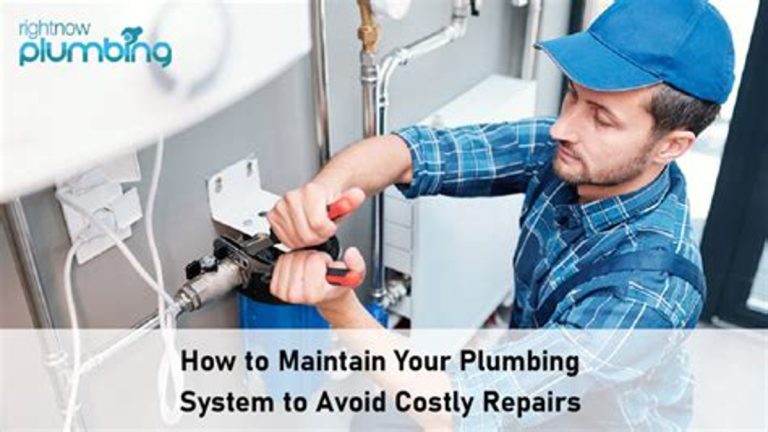
A well-maintained plumbing system is essential for a safe, comfortable, and healthy home. Plumbing issues can lead to costly repairs, water damage, and even health risks if left unattended. Understanding how to care for your home’s plumbing system can help prevent problems before they arise, saving you time and money while ensuring your family’s wellbeing. In this guide, we’ll walk you through practical steps and expert tips to maintain your plumbing system effectively.
Why Proper Plumbing Maintenance Matters
Plumbing systems are complex networks of pipes, valves, fixtures, and appliances that work together to provide clean water and remove waste. Neglecting these components can result in leaks, clogs, corrosion, and water contamination. Poorly maintained plumbing doesn’t just cause inconvenience — it can also damage your property’s structure and create an environment for mold growth and bacteria, which harms indoor air quality.
By regularly maintaining your plumbing, you can:
- Prevent unexpected leaks and water damage
- Ensure water quality is safe for consumption
- Extend the lifespan of pipes and fixtures
- Improve water efficiency, reducing utility bills
- Avoid costly emergency repairs
Key Areas to Inspect and Maintain
To keep your plumbing system in top shape, it’s important to focus on specific areas that tend to experience wear and tear. Here are the key components you should regularly check:
1. Pipes and Fittings
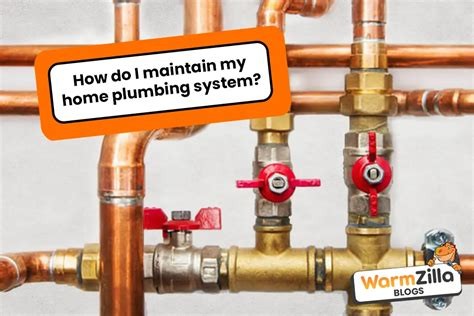
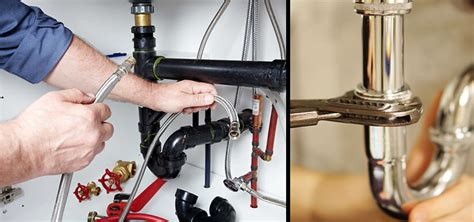
Inspect pipes for signs of leaks, corrosion, or damage. Look under sinks, around appliances, and in basements or crawl spaces where pipes are accessible. Early signs of trouble include dampness, water stains, or a musty smell. Addressing issues like loose fittings or minor leaks promptly can prevent bigger problems.
2. Faucets and Fixtures
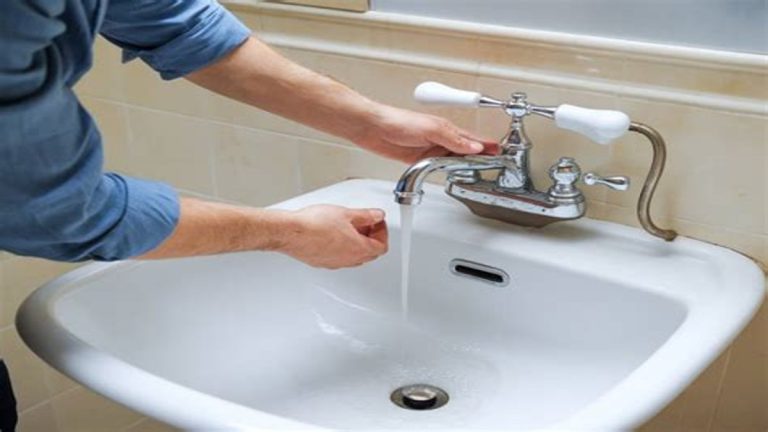
Dripping faucets are not only annoying but also waste water and increase your bills. Regularly check faucets, showerheads, and valves for leaks or reduced water flow. Mineral buildup around the fixtures can be cleaned using vinegar to improve water pressure and extend fixture life.
3. Water Heater
Your water heater deserves special attention because it directly affects your comfort and water efficiency. Flush the heater at least once a year to remove sediment buildup, which can reduce efficiency and damage the tank. Test the temperature setting to avoid scalding and keep energy consumption low. If your water heater is more than 10 years old or shows signs of rust or leaks, consider scheduling a professional inspection or replacement.
4. Drainage and Sewer Lines
Slow drains or foul odors are indications of potential blockages. Avoid using chemical drain cleaners as they can damage pipes over time. Instead, use a plunger, a drain snake, or natural cleaning solutions like baking soda and vinegar. Regularly clean traps under sinks and avoid flushing inappropriate items down toilets or drains.
5. Water Pressure
High water pressure can strain your pipes and fixtures, leading to leaks and bursts. Install a water pressure gauge to monitor your home’s pressure; it should typically range between 40 and 60 psi. If pressure is too high, a pressure-reducing valve may need to be installed by a professional plumber.
Practical Tips for Everyday Plumbing Care
Aside from inspections, adopting good habits can go a long way in maintaining your plumbing system. Here are some everyday tips:
- Don’t ignore minor leaks: Fix dripping faucets or running toilets promptly to avoid water waste and damage.
- Avoid flushing inappropriate items: Only flush toilet paper and human waste; avoid wipes, feminine products, or grease.
- Keep drains clean: Regularly remove hair, soap scum, and debris from shower and sink drains.
- Be mindful of what goes down the garbage disposal: Avoid fibrous, starchy, or greasy foods that can cause clogs.
- Insulate pipes: In colder months, insulate pipes to prevent freezing and bursting.
- Use strainers: Install strainers in sinks to catch food particles and hair, reducing clog risks.
When to Call a Professional Plumber
While many routine maintenance tasks can be done by homeowners, certain plumbing issues require professional expertise. Contact a plumber if you experience:
- Persistent leaks or dripping that you cannot fix
- Slow or backed-up drains despite your efforts
- Water heater malfunctions or no hot water
- Unusual noises from pipes or fixtures
- Visible water damage or mold growth linked to plumbing
Hiring a licensed plumber ensures that complex repairs are handled safely and effectively, preventing further damage to your home.
Regular Maintenance Schedule
Establishing a maintenance schedule can help keep your plumbing system reliable and efficient:
- Monthly: Check faucets and toilets for leaks; clean drain strainers
- Quarterly: Inspect visible pipes for signs of wear; test water pressure
- Annually: Flush water heater; have a professional plumbing inspection; clean sewer lines as needed
- Seasonally: Insulate exposed pipes before winter; check outdoor faucets and hoses
Benefits of Upgrading Your Plumbing System
Over time, your plumbing system might need upgrades to meet modern standards and improve efficiency. Consider replacing old pipes with durable materials like PEX or copper, installing low-flow fixtures to save water, and upgrading your water heater to a more energy-efficient model. These improvements contribute to a healthier home environment and can reduce your environmental impact.
Conclusion
Maintaining your home’s plumbing system is a crucial part of ensuring a safe and healthy living environment. Regular inspections, prompt repairs, and preventive care can help avoid costly damages and improve your water efficiency. By following the tips outlined above and knowing when to seek professional help, you can keep your plumbing system functioning smoothly for years to come. A healthy plumbing system is not just about convenience — it’s an investment in your family’s comfort and well-being.