How to Maintain Your Plumbing System to Prevent Costly Repairs
How to Maintain Your Plumbing System to Prevent Costly Repairs
Maintaining your home’s plumbing system is essential to avoid unexpected breakdowns and expensive repairs. Plumbing issues can cause significant damage to your property and disrupt your daily routine. Regular upkeep not only extends the life of your pipes and fixtures but also helps you save money in the long run. In this guide, we will explore practical steps you can take to keep your plumbing system in top shape and prevent costly issues before they arise.
Understand the Basics of Your Plumbing System
Before diving into maintenance tasks, it is important to have a basic understanding of how your plumbing system works. Your plumbing comprises two primary systems: the water supply system, which brings fresh water into your home, and the drainage system, which removes wastewater. Both systems rely on pipes, valves, faucets, and fixtures to function efficiently.
Knowing the location of your main water shutoff valve, water meter, and access points for faucets and drains can be incredibly helpful during emergencies or routine checks. Familiarize yourself with these components to act quickly if a leak or blockage occurs.
Regular Inspections Are Key
One of the simplest ways to maintain your plumbing system is through routine inspections. Take time every few months to check for signs of leaks, corrosion, or damage. Look under sinks, around toilets, and near your water heater for any moisture or discoloration, which could indicate a problem.
- Check faucets and showerheads for drips or slow drainage.
- Inspect exposed pipes for rust, cracks, or bulging areas.
- Monitor water pressure as fluctuations can signal underlying issues.
- Examine your water heater for leaks and ensure it is operating efficiently.
Early detection of plumbing problems can prevent small issues from turning into expensive repairs.
Prevent Clogs with Proper Usage
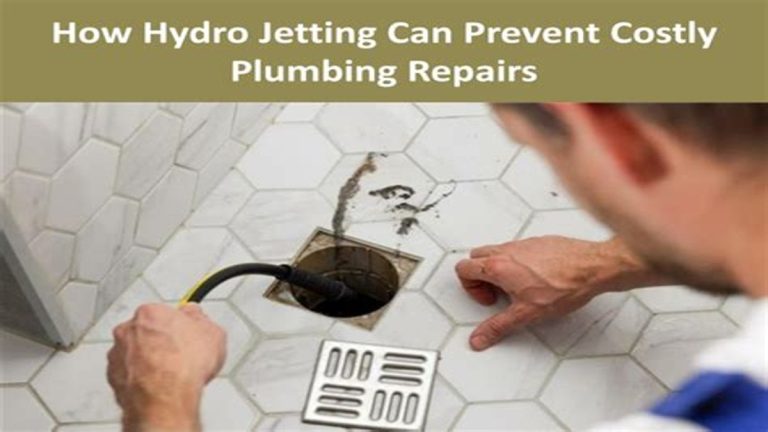
Drain clogs are among the most common plumbing issues and often lead to costly repairs if neglected. You can avoid blockages by making simple adjustments to how you dispose of waste and maintain your drains.
- Avoid pouring grease or oil down the drain as they solidify and cause buildups.
- Use drain screens to catch hair, food particles, and other debris.
- Dispose of food scraps properly rather than using the garbage disposal excessively.
- Flush toilets only with waste and toilet paper, avoiding flushing foreign objects.
Additionally, using natural drain cleaners or periodically flushing drains with hot water and vinegar can help keep lines clear without damaging pipes.
Insulate Pipes to Prevent Freezing
In colder climates, frozen pipes are a significant risk during winter months. When water inside pipes freezes, it expands and can cause pipes to burst, leading to severe water damage and costly repairs.
To avoid this, insulate exposed pipes in unheated areas such as basements, attics, garages, or crawl spaces. Pipe sleeves, foam insulation, or heat tape can keep pipes warm and prevent freezing. Also, during extreme cold, leaving faucets dripping slightly can help keep water moving and reduce freeze risk.
Maintain Your Water Heater
Your water heater requires regular maintenance to function efficiently and last longer. Over time, sediment can build up inside the tank, reducing heating capacity and increasing energy usage. Flushing the water heater annually is a simple task that removes this sediment.
Here’s how to maintain your water heater:
- Turn off the power supply or gas before maintenance.
- Attach a hose to the drain valve and drain water into a bucket or outside.
- Flush the system until the water runs clear of sediment.
- Check the pressure relief valve for proper operation.
If you’re not comfortable performing this maintenance, hire a professional plumber to handle it safely.
Manage Water Pressure
High water pressure can strain your plumbing system and cause leaks or burst pipes. It’s advisable to test your water pressure periodically using a pressure gauge, which you can purchase at most hardware stores.
The ideal residential water pressure typically ranges between 40 to 60 psi (pounds per square inch). If the pressure is consistently above this range, consider installing a pressure regulator to protect your pipes and appliances.
Watch for Signs of Leaks
Small leaks may go unnoticed but can cause significant damage over time. Be vigilant for the following indicators:
- Unexpected increases in water bills.
- Wet spots on walls, ceilings, or floors.
- Musty odors or mold growth in damp areas.
- Sound of running water when no fixtures are in use.
If you detect any signs of leaks, address them promptly. Even minor leaks can waste hundreds of gallons of water and lead to structural damage.
Schedule Professional Plumbing Inspections
While many maintenance tasks can be performed by homeowners, it’s wise to have a licensed plumber inspect your system at least once a year. Professionals can identify potential problems that may not be visible to the untrained eye, such as hidden leaks, pipe deterioration, and issues within your sewer system.
Routine professional inspections and preventive maintenance can save you thousands of dollars by catching problems early and ensuring your plumbing system operates efficiently.
Conclusion
Maintaining your plumbing system is critical to preventing costly repairs and preserving the safety and comfort of your home. By understanding your plumbing, performing regular inspections, preventing clogs, insulating pipes, maintaining your water heater, managing water pressure, and addressing leaks promptly, you can keep your plumbing running smoothly for years to come. Remember to supplement your efforts with professional inspections to catch hidden issues early. With these simple yet effective steps, you can avoid unnecessary expenses and enjoy peace of mind knowing your plumbing is in good condition.