How to Prevent and Fix Common Plumbing Issues in Your Home
How to Prevent and Fix Common Plumbing Issues in Your Home
Plumbing issues are some of the most common problems homeowners face, yet they can quickly turn into costly repairs if not addressed promptly. Understanding how to prevent and fix these issues can save you both time and money. In this blog post, we’ll explore the most frequent plumbing problems, provide practical prevention tips, and guide you through simple fixes that can often be done without professional help.
Common Plumbing Issues in Homes
Before diving into prevention and solutions, it’s essential to identify which plumbing problems occur most often. Recognizing early signs can stop minor inconveniences from escalating into major headaches.
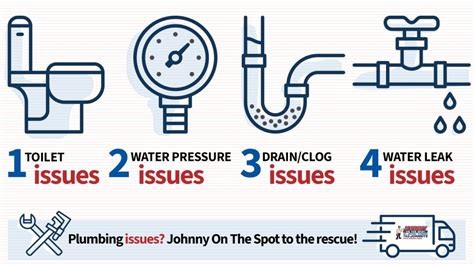
- Leaky Faucets: Dripping or leaking faucets waste water and increase your utility bills.
- Clogged Drains: Slow or blocked drains in sinks, showers, or tubs are frustrating and can cause water backups.
- Running Toilets: A running toilet wastes water and can significantly increase water bills.
- Low Water Pressure: Reduced water flow can affect showers, faucets, and appliances.
- Water Heater Issues: Problems such as no hot water or strange noises can disrupt daily routines.
- Pipe Leaks: Hidden leaks can damage walls, floors, and create mold problems.
How to Prevent Common Plumbing Issues
Prevention is always better than repair. Regular maintenance and a few simple habits can help keep your plumbing system in good condition.
1. Regularly Inspect and Maintain Faucets
Check faucets for drips and tighten loose parts regularly. Replace washers or cartridges as needed to prevent leaks.
2. Avoid Clogs by Being Mindful of What Goes Down the Drain
Don’t pour grease, coffee grounds, or large food particles down the kitchen sink. Use drain screens to catch hair and debris in bathroom drains.
3. Fix Running Toilets Quickly
A running toilet often means the flapper valve or float needs adjustment or replacement. Fixing these components promptly can save water and reduce bills.
4. Monitor Water Pressure
High water pressure can stress pipes and fixtures, causing leaks. Use a pressure regulator if your home’s water pressure exceeds 80 psi.
5. Winterize Pipes Before Cold Weather
Insulate exposed pipes to prevent freezing and cracking during winter. Let faucets drip slightly on extremely cold nights to keep water flowing.
6. Schedule Annual Plumbing Inspections
Have a licensed plumber check your system yearly to catch potential issues early, such as hidden leaks or corrosion.
Simple Fixes for Common Plumbing Problems
Many plumbing issues can be fixed at home with basic tools and some patience. Here’s a guide to addressing some frequent problems.
Fixing a Leaky Faucet
- Turn off Water Supply: Locate and shut off the valve under the sink.
- Disassemble Faucet: Use a wrench or screwdriver to open the faucet and access internal parts.
- Replace Washer or Cartridge: Inspect washers and O-rings for wear. Replace them with new ones available at hardware stores.
- Reassemble and Test: Put everything back and check for leaks by turning water back on.
Clearing a Clogged Drain
- Use a Plunger: Create a strong seal and plunge the drain several times to dislodge the blockage.
- Remove and Clean Drain Trap: Place a bucket underneath, unscrew the trap, and clear out debris.
- Apply a Natural Drain Cleaner: Mix baking soda and vinegar, pour it down the drain, then rinse with hot water after 15 minutes.
- Avoid Chemical Drain Cleaners: These can damage pipes over time.
Fixing a Running Toilet
- Check the Flapper Valve: Remove the tank lid and make sure the flapper seals properly. Replace if worn or damaged.
- Adjust the Float: If the float is set too high, water will constantly run into the overflow tube. Lower the float to stop this.
Improving Low Water Pressure
- Clean Faucet Aerators and Showerheads: Unscrew and soak them in vinegar overnight to remove mineral buildup.
- Check for Leaks: Hidden leaks reduce pressure. Inspect walls and ceilings for water stains or dampness.
- Inspect the Main Shutoff Valve: A partially closed valve restricts water flow. Ensure it is fully open.
Troubleshooting Water Heater Issues
- No Hot Water: Check if the pilot light is out or reset the circuit breaker for electric heaters.
- Strange Noises: Sediment buildup can cause popping sounds. Flushing the heater yearly can prevent this.
- Leaking: If your water heater leaks, call a plumber as it could indicate a serious problem.
Detecting and Fixing Pipe Leaks
- Look for Signs: Damp spots, mold, or reduced water pressure might signal hidden leaks.
- Use Pipe Clamps for Temporary Repairs: This can stop small leaks until professional help arrives.
- Replace Damaged Sections: For visible leaks on accessible pipes, shut off water and replace the faulty section.
Conclusion
Being proactive with your home’s plumbing can prevent many common issues and reduce repair costs. Simple actions like regular inspections, mindful usage, and timely repairs keep your plumbing system running smoothly. While some problems require professional expertise, many can be fixed with basic tools and knowledge. By understanding how to prevent and address common plumbing problems, you empower yourself to maintain a safe and comfortable home.