How to Prevent Plumbing Issues Before They Start
Plumbing problems can be a homeowner’s nightmare. From minor leaks to major pipe bursts, these issues often lead to expensive repairs and considerable inconvenience. Fortunately, many common plumbing problems can be prevented with a little foresight and maintenance. Understanding the basics of your home’s plumbing system and implementing preventative measures can save you time, money, and stress in the long run.
Why Preventive Plumbing Maintenance Matters
Many people only think about plumbing when something goes wrong. However, waiting until a leak or clog appears can turn a simple fix into a costly emergency. Preventive plumbing maintenance helps identify potential issues early, reducing the risk of significant damage. It can also ensure your plumbing system operates efficiently, conserving water and lowering utility bills.
Key Strategies to Prevent Plumbing Issues
1. Regularly Inspect Your Pipes and Fixtures
One of the most effective ways to avoid plumbing problems is to routinely check your pipes, faucets, and fixtures for signs of wear and tear. Look out for:
- Drips or leaks around faucets, toilets, and showerheads
- Rust or corrosion on exposed pipes
- Water stains or damp spots on walls and ceilings
- Unusual sounds like banging or gurgling in the pipes
Discovering these issues early allows you to take action before they become more serious. Fixing small leaks not only prevents water damage but also conserves water.
2. Maintain Proper Drain Care
Clogged drains are one of the most common plumbing headaches. Preventing clogs involves being mindful about what goes down your drains:
- Avoid pouring grease, oil, or fat down the kitchen sink as they can solidify and cause blockages.
- Use drain strainers to catch hair and food particles.
- Flush kitchen drains regularly with hot water to help dissolve and push through minor buildups.
- Consider periodic treatments with natural enzymes that break down organic material in pipes without damaging your plumbing.
Keeping drains clear reduces the likelihood of backups and foul odors.
3. Insulate Pipes to Prevent Freezing
In colder climates, frozen pipes can cause significant damage, sometimes bursting and flooding your home. To protect your plumbing during winter:
- Insulate exposed pipes in unheated areas like basements, attics, and crawl spaces using foam sleeves or insulation tape.
- Seal gaps and cracks in walls or floors where cold air might reach your pipes.
- During extreme cold, let faucets drip slightly to keep water moving, reducing the chances of freezing.
- Keep cabinet doors open under sinks to allow warm air circulation.
4. Monitor Your Water Pressure
High water pressure can strain your plumbing system, causing pipes and fixtures to wear out faster or even burst. Most homes should maintain water pressure between 40 and 60 psi (pounds per square inch). You can:
- Purchase a pressure gauge from a hardware store to check your home’s water pressure.
- If your pressure is too high, consider installing a pressure regulator valve with the help of a professional plumber.
Maintaining safe water pressure extends the life of your plumbing and prevents leaks.
5. Know Your Plumbing System
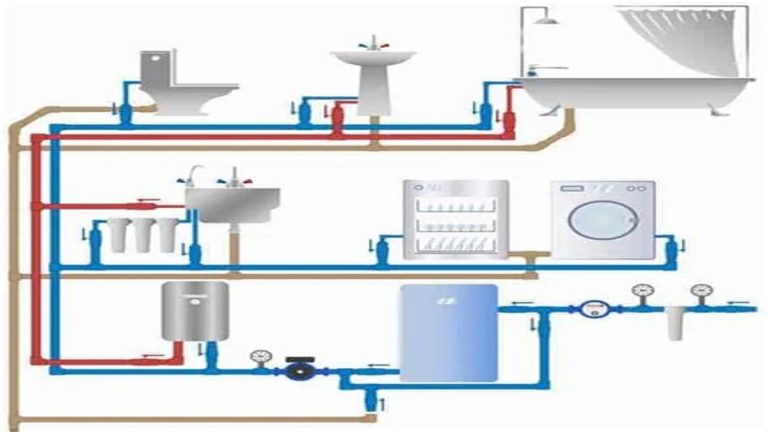
Understanding your home’s plumbing layout and components is invaluable. Familiarize yourself with:
- Where the main water shut-off valve is located—essential in emergencies.
- The locations of shut-off valves for individual fixtures like sinks and toilets.
- The type and age of your pipes (copper, PVC, galvanized steel) to anticipate potential issues.
This knowledge enables you to act quickly and efficiently when problems arise.
6. Schedule Regular Professional Plumbing Inspections
Even with diligent DIY maintenance, some issues require a professional’s trained eye. Annual or biannual inspections by a licensed plumber can uncover hidden problems such as:
- Hidden leaks behind walls or under floors
- Corroded pipes or joints at risk of failure
- Water heater inefficiencies or sediment buildup
- Proper functioning of sump pumps and sewage lines
Early detection can prevent major breakdowns and extend the lifespan of your plumbing infrastructure.
7. Be Careful What You Flush and Pour
Toilets and drains are not trash cans. Avoid flushing or pouring items that could cause blockages or damage, such as:
- Wipes labeled “flushable” (they rarely break down properly)
- Fats, oils, and grease
- Sanitary products, cotton balls, or dental floss
- Medications or chemical cleaners
Proper disposal of waste and chemicals protects both your plumbing and the environment.
8. Replace Old Fixtures and Pipes When Needed
As plumbing components age, they become more prone to leaks and failures. Pay attention to signs such as:
- Discolored or rusty water
- Reduced water pressure or flow
- Persistent leaks or corrosion on pipes
Replacing outdated pipes and fixtures with modern, durable materials can prevent future headaches and improve efficiency.
Additional Tips for Plumbing Prevention
- Avoid Chemical Drain Cleaners: These can corrode pipes over time and harm septic systems. Opt for mechanical methods or enzyme treatments instead.
- Install Water Softeners: Hard water causes mineral buildup that can clog pipes and reduce appliance efficiency.
- Educate Household Members: Everyone in the home should understand basic plumbing care, such as what not to flush and how to turn off water in an emergency.
- Be Attentive to Your Water Bill: A sudden spike can indicate a hidden leak.
Conclusion
Preventing plumbing issues before they start requires a proactive approach that combines regular inspections, proper usage habits, and timely professional maintenance. By investing time into caring for your plumbing system, you not only avoid costly repairs but also ensure a safer and more comfortable home. Remember, small steps like monitoring water pressure, protecting pipes from freezing, and avoiding harmful substances down your drains can make a significant difference. Stay vigilant, be informed, and your plumbing system will serve you well for years to come.