Hybrid-Electric Aircraft Engine Aims For 30% Fuel Burn Cut
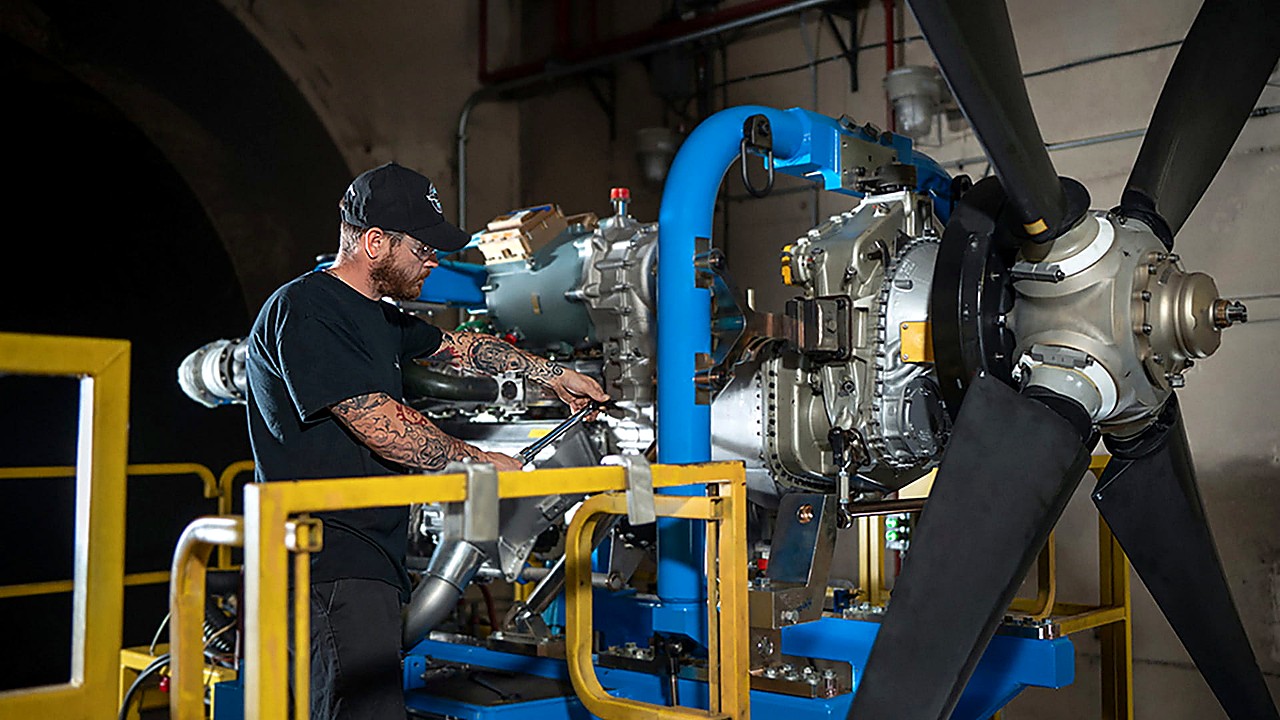
Pratt & Whitney Canada has begun ground testing of a hybrid-electric propulsion system aimed at demonstrating up to 30% better fuel efficiency, marking a new phase in the company’s push to bring electrification into aircraft engines.
The program is being led by Pratt & Whitney Canada, a unit of RTX, and is focused on a flight-standard hybrid-electric engine. Recent company updates and industry reports say the work has moved into ground tests, a milestone that shifts the effort from earlier development activity into hardware validation under controlled conditions.
The testing effort is centered on a hybrid-electric architecture that combines conventional turbine power with an electric component. The goal, as described in recent coverage of the project, is to show meaningful fuel-burn improvements—up to 30%—through the integration of electric assistance and associated propulsion-system changes.
Ground testing is a key gate for any new engine concept because it allows engineers to evaluate performance, thermal behavior, controls, and system integration before advancing to more demanding environments. For hybrid-electric systems, those integration questions are especially important because the propulsion package involves both traditional engine elements and electrical hardware that must work together reliably.
This development matters because fuel efficiency remains one of the clearest levers aviation has to reduce operating costs and curb emissions in flight, particularly for segments where battery-only propulsion is not expected to be practical in the near term. A hybrid system that can measurably reduce fuel use without requiring a full shift away from liquid fuels would offer airlines and aircraft manufacturers another pathway to improve efficiency within existing operational constraints.
The move into ground tests also signals that the technology is advancing toward a demonstration phase, which is often watched closely across the aerospace supply chain. Engine makers, airframe manufacturers, and regulators typically look for validated data from test campaigns before committing to broader integration work, certification planning, and future production decisions.
Next steps will depend on the results of the ground-test campaign and the broader test plan for the flight-standard system. Additional rounds of testing would typically expand the operating envelope and refine system controls and reliability, building the evidence needed to support later demonstrations. Recent reporting has also pointed to a first flight target of 2027 for the hybrid engine, placing a timeline marker on when the technology could transition from ground validation to airborne testing.
RTX has also been discussing engine programs and orders in the context of major industry events, underscoring the commercial and strategic interest in next-generation propulsion technologies even as manufacturers continue delivering conventional engines. For Pratt & Whitney Canada, the hybrid-electric effort adds to a wider industry push to incorporate electrification where it can deliver measurable gains.
With ground tests now underway, the hybrid-electric engine program enters a stage where performance claims can be assessed against real hardware results, a necessary step on the path toward flight demonstration.