ICE Officer Linked To Fatal Maine Shooting Reported 2021 Head Injury
An ICE officer connected to a fatal shooting in Maine previously reported suffering a head injury in 2021 and later said the injury left him with “cognitive deficits,” according to recent reporting. The disclosure has added to intensifying scrutiny of the officer’s background and ICE’s oversight in the wake of the death.
The shooting, which involved an ICE officer and resulted in a motorist being fatally shot in Maine, has become the subject of continued public attention and media examination. New details about the officer’s medical history have emerged alongside accounts from family members and records describing a pattern of troubling behavior.
CNN reported that the ICE officer sustained a head injury in 2021 and said it left him with “cognitive deficits.” Separate reporting cited by PBS, referencing an Associated Press report, describes a history of violent behavior described by family and in records. WCVB reported that the officer’s ex-wife has spoken publicly, prompting renewed scrutiny and calls for answers.
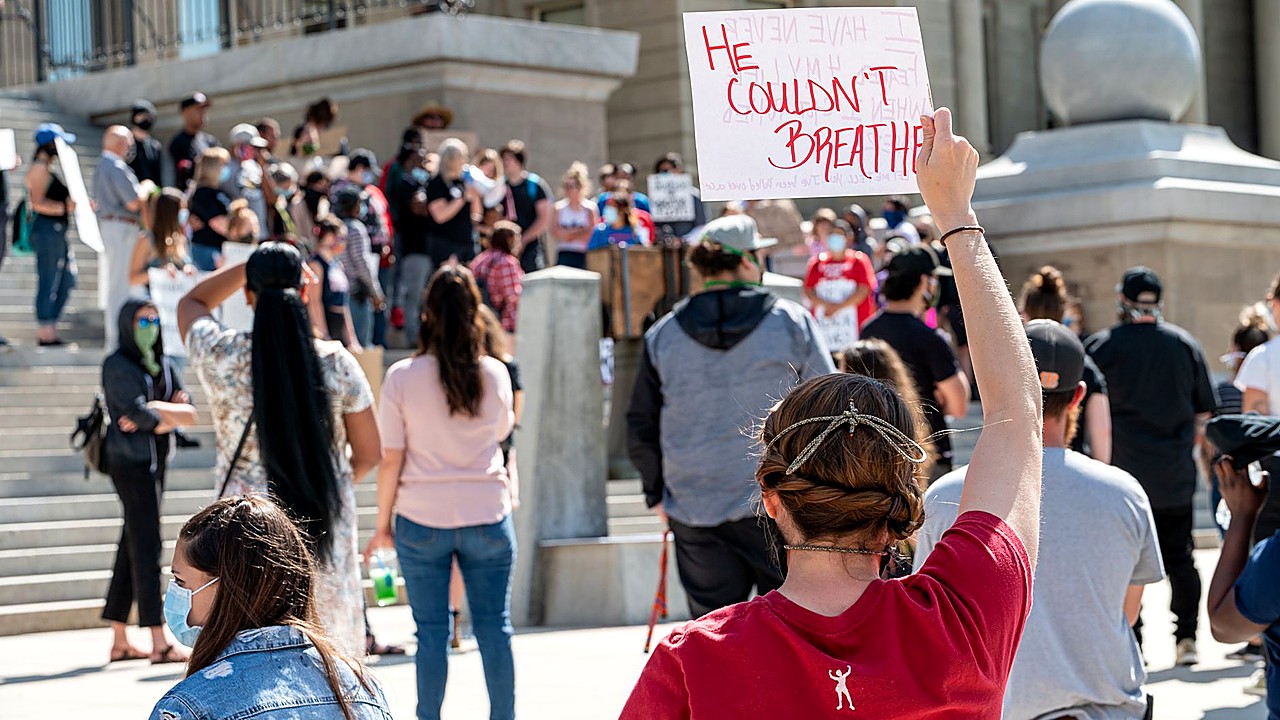
The Washington Post has framed the case as renewing broader questions about vetting for federal law enforcement officers. Other outlets, including The New Republic, have highlighted allegations of past conduct as the investigation and public debate continue. Meanwhile, images from protests in Maine following the shooting have circulated in coverage by AOL.com, underscoring the level of community response.
The emergence of the officer’s reported medical condition matters because it adds another dimension to the questions already being asked about how ICE evaluates fitness for duty and how agencies respond to warning signs raised by people close to an employee. It also comes as lawmakers have demanded additional information following what PBS described as a “bombshell” report, increasing pressure on federal officials to provide transparency about the incident and the officer’s history.
The case is also significant because fatal uses of force by law enforcement often trigger multiple, overlapping inquiries, including criminal investigations, internal reviews, and civil litigation. The details that surface in the days and weeks afterward can shape public trust and policy responses, especially when the officer involved is part of a federal agency operating within a local community.
What happens next will depend on the progress of official reviews of the shooting and any parallel oversight actions. As reporting continues, additional records, interviews, and agency responses are expected to be central to clarifying what was known about the officer’s history and how decisions were made before the fatal encounter.
For Maine residents and federal officials alike, the shooting and the revelations surrounding the officer’s past have moved beyond a single incident and into a broader test of accountability.