Improving Your Home’s Plumbing System with Simple DIY Repairs
Improving Your Home’s Plumbing System with Simple DIY Repairs
Maintaining a well-functioning plumbing system is essential for every household. While plumbing issues can sometimes require professional help, there are many simple repairs that homeowners can confidently tackle on their own. These DIY plumbing repairs not only save money but also help prevent small problems from escalating into costly emergencies. In this article, we’ll explore practical and easy repairs you can do yourself to improve your home’s plumbing system.
Understanding the Basics of Your Plumbing System
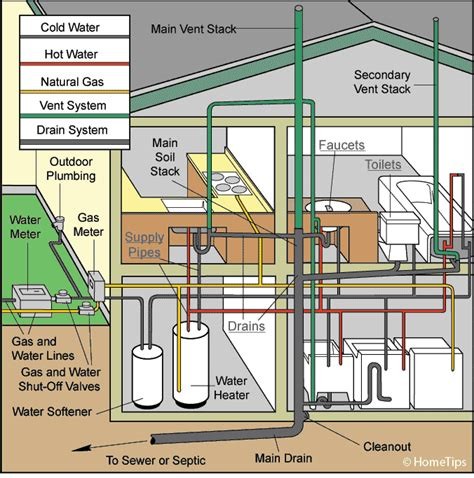
Before diving into repairs, it’s important to understand how your plumbing system works. Your home’s plumbing consists of two main components:
- Supply Lines: Deliver fresh water into your home.
- Drainage System: Removes wastewater and directs it out of your house.
Knowing where the main water shutoff valve is located will save you time and prevent further damage when you start any repair. Usually, this valve is found near the water meter or where the main pipe enters your home. Turning off the water supply is the first step in almost every plumbing repair.
Fixing a Leaking Faucet
A dripping faucet is more than an annoyance—it wastes water and increases your utility bills. Fortunately, fixing most leaks is straightforward.
- Identify the type of faucet: Compression, cartridge, ball, or ceramic disk faucets all have different mechanisms.
- Turn off water supply: Use the shutoff valves under the sink or the main valve if necessary.
- Disassemble the faucet: Remove the handle and other parts to access the internal components.
- Replace worn parts: Typically, washers, O-rings, or cartridges need replacement.
- Reassemble and test: After replacing parts, put everything back together and turn on the water to check for leaks.
This simple repair can save gallons of water and restore the faucet’s function without calling a plumber.
Unclogging Drains the Right Way
Clogged drains are common and usually caused by hair, grease buildup, or foreign objects blocking pipes. Avoid harsh chemical drain cleaners that can damage your pipes and the environment. Instead, try these effective DIY methods:
- Plunger: A quality plunger can often clear clogs in sinks, showers, and toilets.
- Drain Snake: A hand-operated drain snake or auger can reach deeper blockages to remove debris.
- Baking Soda and Vinegar: Pour a half-cup of baking soda followed by a half-cup of vinegar down the drain. Wait 15-30 minutes, then flush with hot water to break down buildup naturally.
- Remove and Clean P-Trap: The P-trap is a U-shaped pipe under the sink. Place a bucket below, unscrew the trap, remove debris, then reassemble.
Regular maintenance and avoiding pouring grease or food scraps down your drains can also prevent clogs from forming.
Repairing Running Toilets
A continuously running toilet is a common plumbing issue that wastes water and can increase utility bills significantly. Most running toilets are caused by a faulty flapper valve or improper tank water level.
- Inspect the flapper: The flapper is a rubber valve at the bottom of the tank. If warped or damaged, replace it with a new one matching your toilet model.
- Adjust the float: The float controls water fill level. Adjust its arm or reposition it to ensure the tank stops filling at the correct level.
- Clean valve parts: Mineral buildup can prevent the flapper or fill valve from sealing properly. Clean or replace these parts if necessary.
- Test flush: After adjustments and replacements, flush to confirm the running has ceased.
These simple fixes typically cost just a few dollars and prevent wasted water from running continuously.
Fixing Low Water Pressure
Low water pressure can make daily tasks frustrating, whether it’s a weak shower stream or slow water flow in your kitchen sink. Some common causes of low water pressure include clogged aerators, sediment buildup, or leaks.
- Clean faucet aerators: Unscrew the aerator from faucets and soak them in vinegar to dissolve mineral deposits. Clean and reattach for improved water flow.
- Check for leaks: Inspect visible pipes for leaks or corrosion that might reduce pressure. Seal small leaks with plumber’s tape or replace damaged sections.
- Flush water heater: Sediment buildup in your water heater can limit hot water flow. Flushing the heater annually helps maintain pressure and efficiency.
- Replace washers and valves: Worn washers and valves in taps and showerheads can restrict water flow and may need replacement.
If these steps don’t resolve the issue, it may be time to consult a professional as the cause could be more complex.
Preventive Maintenance Tips To Keep Plumbing Healthy
Regular maintenance can prevent many common plumbing problems. Here are some tips you can implement to keep your home’s plumbing system in good shape:
- Inspect regularly: Check for leaks around appliances, under sinks, and near toilets.
- Avoid chemical cleaners: Use natural solutions like baking soda and vinegar or mechanical tools to clear clogs.
- Maintain water heater: Flush sediment yearly and inspect for corrosion.
- Monitor water pressure: Keep an eye on pressure levels to detect problems early.
- Use strainers: Install drain strainers to catch hair and debris and prevent clogs.
- Avoid flushing inappropriate items: Don’t flush wipes, sanitary products, or grease down toilets or drains.
Knowing When to Call a Professional
While many repairs are DIY-friendly, some situations require expert assistance to avoid further damage:
- Persistent or multiple leaks that you cannot locate or fix.
- Mysterious drops in water pressure after attempting repairs.
- Issues with your main sewer line, such as frequent backups or foul odors.
- Water heater problems beyond simple flushing, such as no hot water or leakage.
- Complex installations or modifications involving permits and building codes.
Consulting a licensed plumber ensures safety, proper repair, and long-term peace of mind.
Conclusion
Improving your home’s plumbing system doesn’t always require professional intervention. Simple DIY repairs like fixing leaks, unclogging drains, repairing running toilets, and addressing low water pressure can enhance the efficiency and lifespan of your plumbing. Regular preventive maintenance helps catch small issues before they turn costly. With the right tools and a bit of know-how, many plumbing problems are manageable by homeowners, leading to savings and increased confidence in maintaining your home’s essential systems.