Iran Leaders Display Brief Unity at Funeral Amid Power Struggles
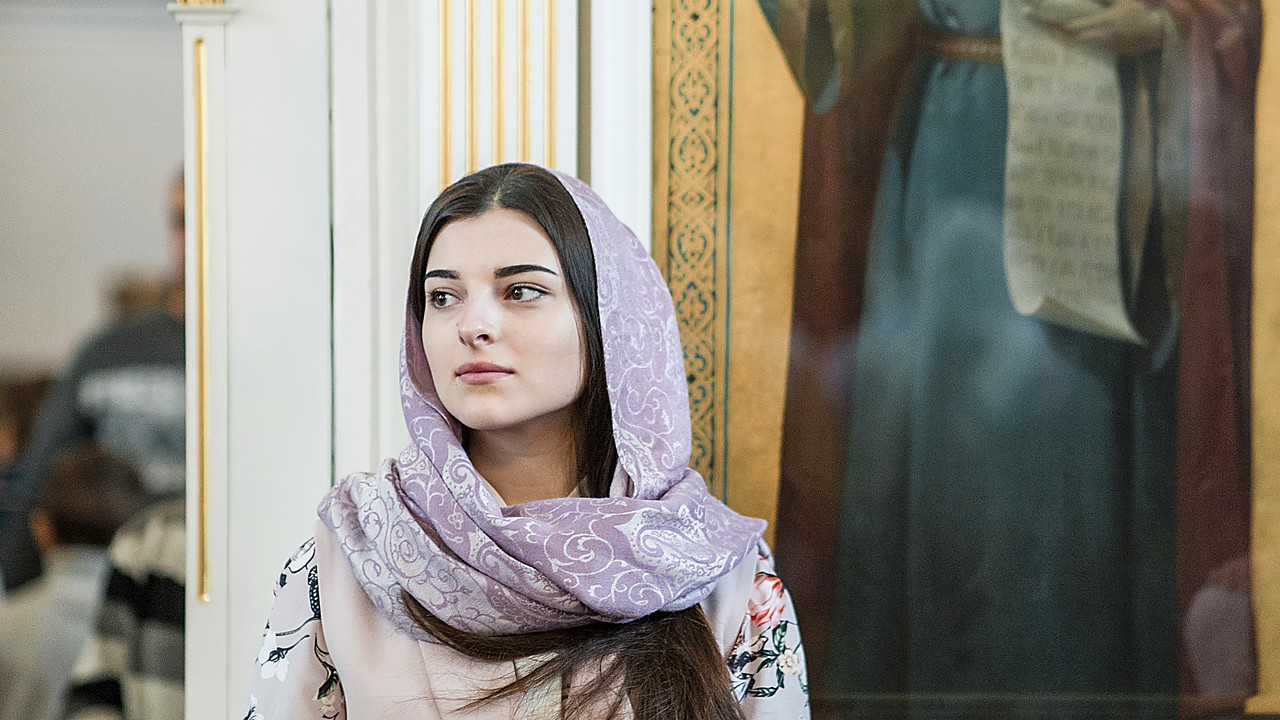
Iran’s leaders appeared together in public during funeral services for Ayatollah Ali Khamenei, projecting a brief display of unity that contrasted with signs of deep divisions within the country’s ruling establishment.
The funeral events unfolded in Iran as official ceremonies began and senior figures were seen in close proximity at a moment of heightened scrutiny over succession and governance. The public staging of cohesion came as Iran’s leadership faced questions about the balance of power among key institutions and the direction of the state after Khamenei.
In the days surrounding the services, attention has focused on whether the new supreme leader would attend his father’s funeral, a detail closely watched inside Iran and abroad. The presence or absence of top officials at such ceremonies has long been read as a signal of standing and influence in Iran’s political system, where formal titles do not always capture actual authority.
At the same time, Iran has sought to present a unified face to the outside world while pursuing a crackdown at home. The juxtaposition of public ceremony and domestic pressure has underscored the dual track the leadership often takes in moments of national transition: emphasizing continuity and order in official appearances while tightening control internally.
The funeral proceedings matter because they represent more than a religious rite. They are a national political event in which the state’s hierarchy becomes visible, even when leaders avoid explicit statements about internal disagreements. The optics of solidarity can help reassure supporters, discourage dissent, and signal stability to foreign governments and markets that monitor Iran’s posture.
But the unity on display has been described as momentary, masking deeper disputes among elites over appointments, policy priorities, and the future shape of the Islamic Republic’s power structure. The period immediately following a supreme leader’s death is among the most consequential in Iran’s modern history, and how leaders present themselves during public rituals can influence perceptions of who is ascendant.
What happens next will depend on the continuation of funeral services and the leadership’s public messaging as the transition proceeds. Observers will watch for additional appearances by senior figures, statements from state institutions, and any shifts in enforcement or public order tied to the government’s domestic approach.
The coming days are also expected to clarify the degree to which the leadership can maintain a consistent public front while managing internal tensions. For many Iranians, the contrast between official displays of unity and the realities of political division will shape how this transition is understood—and how the state’s next chapter begins.
Iran’s leaders may stand shoulder to shoulder at a funeral, but the country’s political future will be decided by what happens once the cameras move on.