Iran Says Talks Continue As It Controls Strait Of Hormuz Traffic
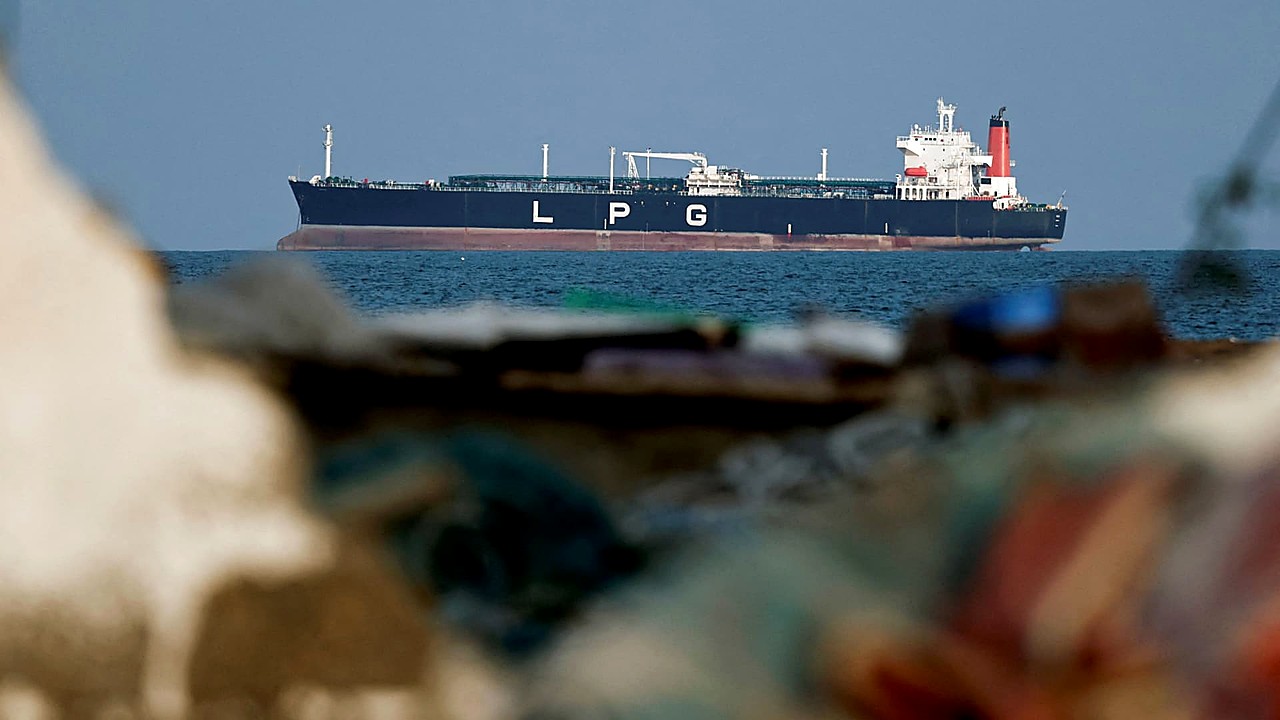
Iran said talks are continuing even as it insists it retains control over traffic through the Strait of Hormuz, a key shipping lane at the mouth of the Persian Gulf. The statement comes amid heightened scrutiny of maritime movement through the strait and competing claims over what conditions will govern passage.
Iran’s position was carried by state-linked messaging that framed the strait as being under Iranian control while negotiations proceed. In separate coverage, Iranian officials have warned that limits could be imposed if a U.S. blockade remains in place, according to IRNA English.
The Strait of Hormuz is one of the world’s most strategically important maritime corridors, serving as a primary route for energy shipments and other commercial trade moving in and out of the Persian Gulf. Any uncertainty over rules for transit, enforcement, or access can quickly affect commercial shipping decisions and regional security calculations.
Recent reports from multiple outlets have described rapid developments affecting vessel movements. Gulf News reported that more than 20 ships turned back toward Iran since a U.S. blockade began. Other coverage has focused on the difficulty of reestablishing normal operations after disruption; CBC described reopening the strait as complicated, even if a reopening is announced.
U.S. messaging has also pointed to continued pressure. CBC reported that former President Donald Trump said a blockade on Iran would continue despite a reopening of the strait. Separately, Middle East Online reported that Iran floated a limited shipping proposal in talks with the United States, suggesting discussions may involve specific terms for transit rather than a broad return to pre-crisis norms.
The development matters because control and access in the Strait of Hormuz carries immediate implications for international shipping, energy markets, and diplomatic leverage. Even partial restrictions, shifting rules, or contested enforcement can create delays and rerouting, raising costs and complicating planning for shippers operating in the region.
It also matters for the broader Middle East security picture. Live coverage from The Jerusalem Post has tracked the latest developments involving Israel, Iran, and the region, underscoring that statements about shipping lanes are unfolding alongside wider tensions.
What happens next will likely hinge on whether talks produce an arrangement that addresses both Iran’s stated control claims and outside demands for predictable, open transit. Additional official statements from Tehran and Washington, as well as operational signs such as vessel movements and routing decisions, are expected to provide the clearest near-term indicators of how passage through the strait will function.
For now, Iran is signaling that negotiations can proceed in parallel with its assertion of authority over one of the world’s most critical waterways, keeping global attention fixed on what rules will ultimately govern the Strait of Hormuz.