Iranian Intelligence Minister Killed In Precision Airstrike
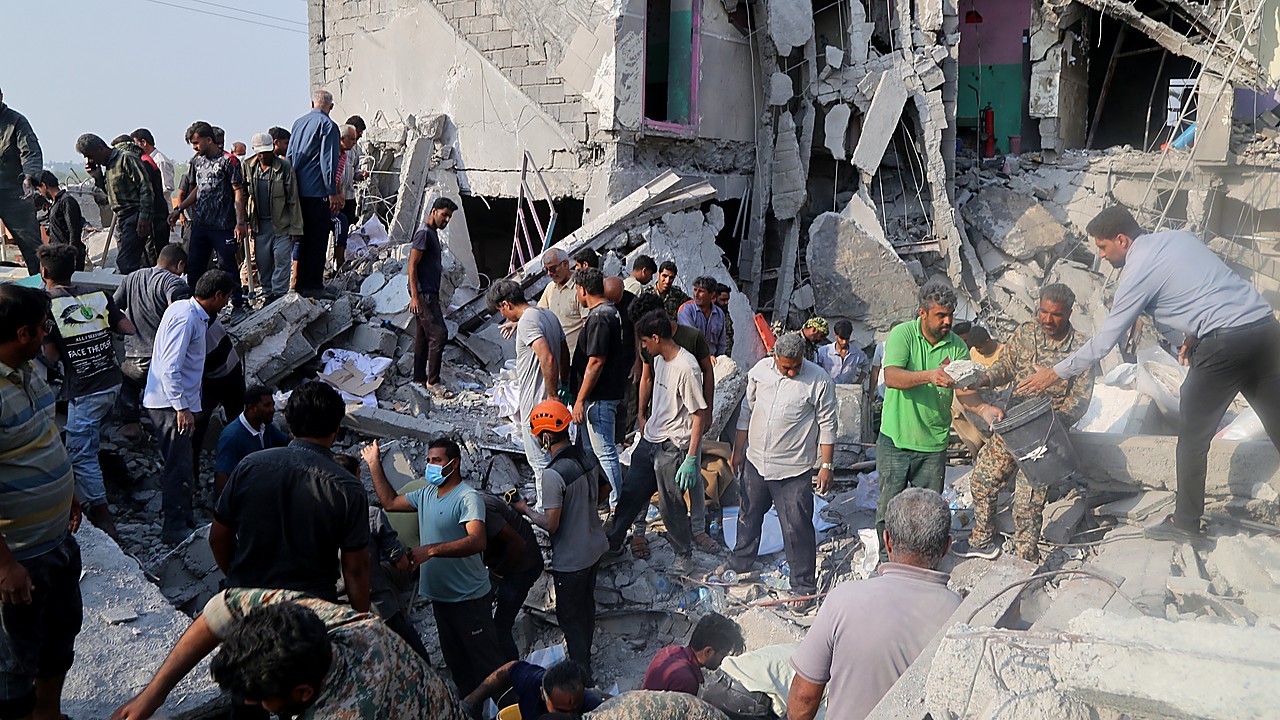
Iran’s intelligence minister has been killed in a precision airstrike, a major escalation in a widening confrontation that has also seen the U.S. military strike missile-related targets in the region.
The minister, Esmaeil Khatib, was identified in published reporting as the Iranian official killed in the strike. The report described the operation as a “precision airstrike” and said Khatib, who led Iran’s Intelligence Ministry, died in the attack. No additional details about the location, timing, or the forces involved were provided in the available context.
The development comes amid increased military activity and heightened security concerns across the region. Separate reporting has said the U.S. military has been targeting missile sites. The context provided did not specify where those U.S. strikes occurred, which branch of the military carried them out, or the exact targets hit.
Other recent reports highlight the broader instability. The Times of Israel reported that Israel’s military was “reportedly authorized to take out senior Iranian, Hezbollah figures without usual prior approval,” signaling a potentially expanded scope for operations against high-ranking officials. Another Times of Israel report cited an ombudsman warning that a lack of shelters in northern areas was an “urgent” danger requiring a state response.
The killing of an intelligence minister matters because it hits a country’s security apparatus at its highest level. Intelligence ministries oversee domestic security, counterintelligence, and sensitive operations, and the removal of a sitting minister can disrupt decision-making and coordination at a moment of active conflict and heightened alert.
The reports also underscore the degree to which military action is not limited to battlefield lines. Missile infrastructure is a strategic focus because it supports long-range attacks and can shift the balance of deterrence. When such sites are targeted, it can affect the pace and scale of further strikes, even without changes in public posture from governments involved.
At the same time, public warnings and assessments are adding to the picture of risk. An AOL.com headline referenced a U.S. intelligence chief saying Iran’s regime is “intact” but “degraded.” Another AOL.com headline said WHO officials acknowledged preparing for the possibility of nuclear weapon use in Iran, reflecting the seriousness of contingency planning being discussed publicly.
On the ground, violence has continued elsewhere as well. The New York Times reported a missile attack that killed at least three people in the West Bank. The context provided did not connect that incident directly to the airstrike that killed Khatib or to U.S. strikes on missile sites.
What happens next will depend on official statements and any confirmed follow-up actions. Iran is expected to announce leadership or interim arrangements within its intelligence ministry, while military officials in the region are likely to continue monitoring and, where ordered, striking missile-related infrastructure. Additional details about the strike that killed Khatib, including where it occurred and who carried it out, remain to be confirmed in the public record provided here.
The death of a top intelligence official, coupled with continuing strikes on missile capabilities, marks a sharper and more consequential phase of the conflict.