Israel-Hezbollah Clashes Intensify In Lebanon Near Border Towns
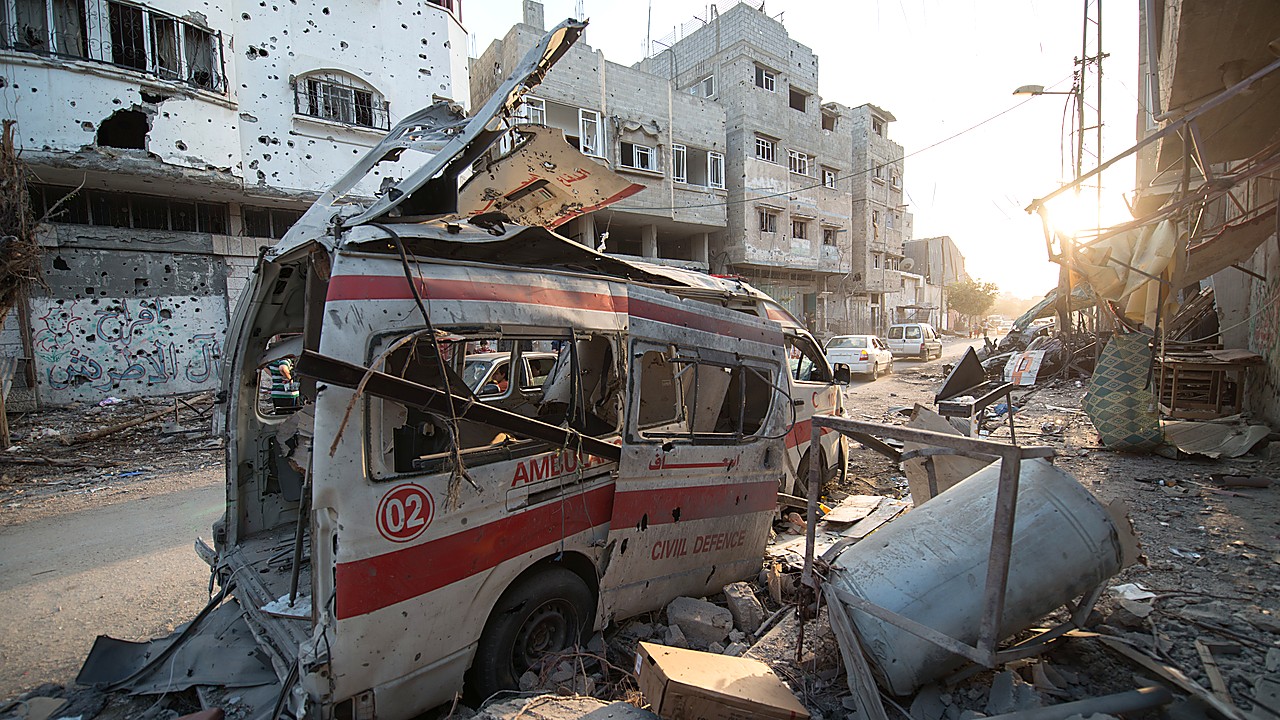
Fighting between Israel and Hezbollah flared up in Lebanon as planned next-phase talks between the United States and Iran were delayed, adding fresh uncertainty to a diplomatic track that had been expected to continue this week.
Multiple outlets reported that the U.S.-Iran talks were postponed, with Switzerland confirming the delay. The BBC reported that Vice President JD Vance pulled out of a trip to Switzerland as the schedule changed, while Radio Free Europe/Radio Liberty reported that Vance remained in Washington. The Guardian reported the talks were abruptly called off after Israel and Hezbollah traded deadly attacks.
The renewed cross-border violence focused attention on Lebanon, where Israel and the Iran-backed Hezbollah militia have periodically exchanged fire. The latest flare-up underscored how quickly regional fighting can complicate U.S.-Iran diplomacy, even as Washington and Tehran were preparing to move into a next phase of discussions.
The postponed talks come amid mixed and sometimes conflicting signals about the state of the broader U.S.-Iran effort. CBS News reported that President Donald Trump formally signed a U.S.-Iran deal, while The New York Times reported the United States and Iran signed a preliminary deal but that its terms remain secret. Other reports noted that questions persist about Iran’s nuclear program and missiles.
The delay matters because the talks have been closely watched as a potential pathway to reduce tensions between Washington and Tehran, with implications for U.S. security interests and for stability across the Middle East. Any pause, particularly during an escalation involving Israel and Hezbollah, risks narrowing room for diplomacy and hardening positions among the parties most directly affected by the fighting.
The reported involvement of senior U.S. leadership added weight to the moment. The New York Times reported that Vance issued a blunt warning to Israel while defending Trump’s deal, highlighting the administration’s effort to balance support for Israel with pressure to avoid steps that could widen the conflict or derail negotiations.
For Iran, the delay leaves open key questions about what comes next in the negotiating process and how any agreement would address longstanding disputes. For Israel and Hezbollah, the latest round of fighting raises the stakes along the Lebanon frontier at the same time international attention is focused on possible diplomatic movement.
What happens next will depend on whether the United States, Iran, and the host government move quickly to reschedule the postponed talks and whether the Israel-Hezbollah violence can be contained. Switzerland’s confirmation of the postponement suggests logistical and diplomatic efforts are underway behind the scenes, but no new date was included in the available reporting.
Meanwhile, the reported secrecy surrounding the terms of the U.S.-Iran preliminary deal leaves lawmakers, allies, and the public awaiting clarity on what has been agreed to and what remains unresolved.
For now, a fresh bout of Israel-Hezbollah fighting and a delayed negotiating calendar have converged to test whether diplomacy can keep pace with events on the ground.