Kevin Warsh Confirmed By Senate As Next Federal Reserve Chair
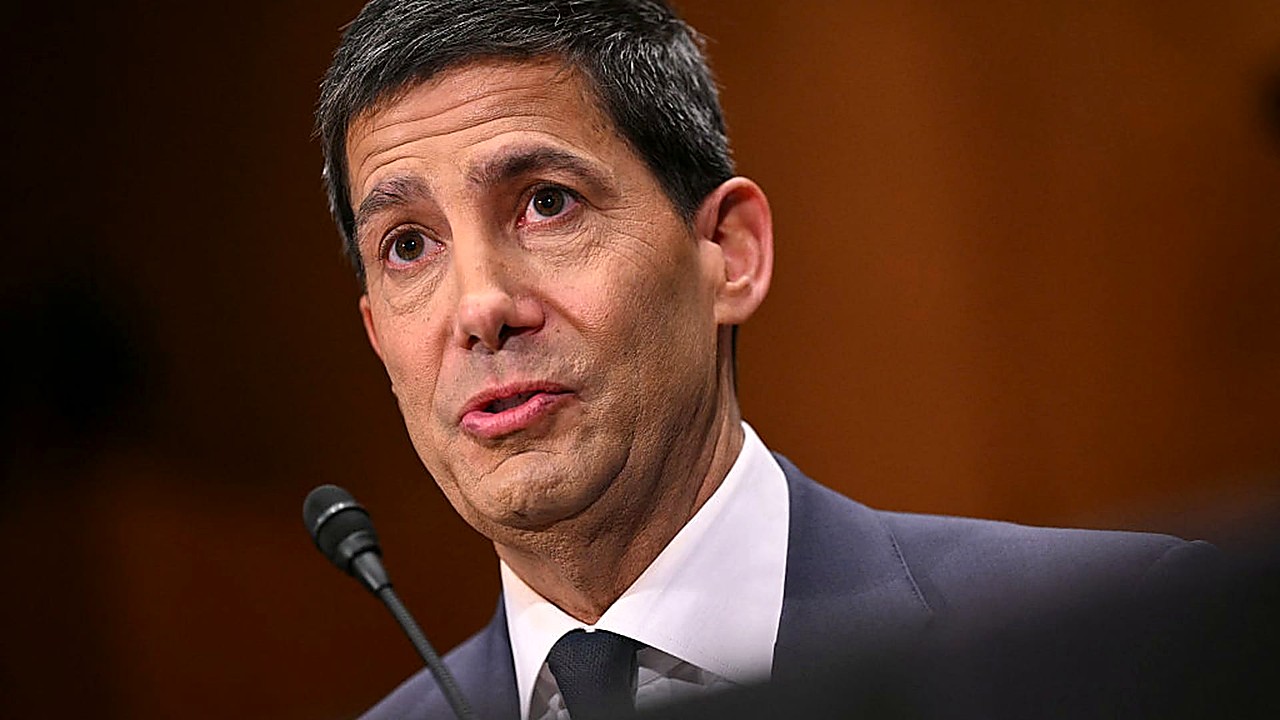
Kevin Warsh won Senate confirmation to become the next chair of the Federal Reserve, clearing the final congressional hurdle to take over leadership of the U.S. central bank.
Warsh, a former Federal Reserve official who was nominated for the role by President Donald Trump, secured approval in a vote that multiple outlets described as a party-line outcome. His confirmation positions him to replace Jerome Powell as chair, marking a major change at the top of the institution that sets U.S. interest-rate policy and oversees key parts of the financial system.
The Federal Reserve chair is among the most consequential economic jobs in Washington, with decisions that affect borrowing costs for households and businesses, financial markets, and the broader pace of economic activity. The chair also serves as the central bank’s public face during periods of economic volatility, including inflation scares, banking stress, and sudden shifts in labor-market conditions.
Warsh is expected to assume the post as the Federal Reserve confronts persistent questions about the path of inflation and the appropriate level of monetary restraint. Several recent headlines characterized the institution as divided, underscoring the challenge facing any new chair in building consensus among policymakers with differing views on how quickly, or whether, to adjust rates.
The transition also matters because the Federal Reserve’s independence and credibility are closely watched by investors, businesses, and international counterparts. A chair change can influence how markets interpret the Fed’s reaction function, even when the central bank’s formal framework and its dual mandate remain unchanged.
Warsh’s confirmation comes as attention turns to the leadership handoff from Powell. Reports in the coverage referenced an imminent exit for Powell, setting up a near-term change in who will guide upcoming Federal Open Market Committee meetings and deliver the Fed’s most closely followed communications, including policy statements and press conferences.
With the Senate vote complete, the next phase is the operational transition inside the central bank, including staff briefings, meeting preparations, and coordination with other policymakers. Warsh will also have to quickly establish working relationships across the Fed system, from the Board of Governors in Washington to the regional Reserve Bank presidents who help shape policy debates.
The immediate focus will be on the Fed’s next policy decisions and communications, which will be scrutinized for any shift in tone, priorities, or emphasis under new leadership. Markets, lawmakers, and the public will be watching closely for how Warsh frames the central bank’s approach to inflation and growth, and how he manages disagreement within the institution.
Warsh’s confirmation ensures the Federal Reserve will enter its next policy cycle under new leadership, with high stakes for the economy and for confidence in the central bank’s stewardship.