Khamenei Says He Authorized Nuclear Deal Talks With U.S.
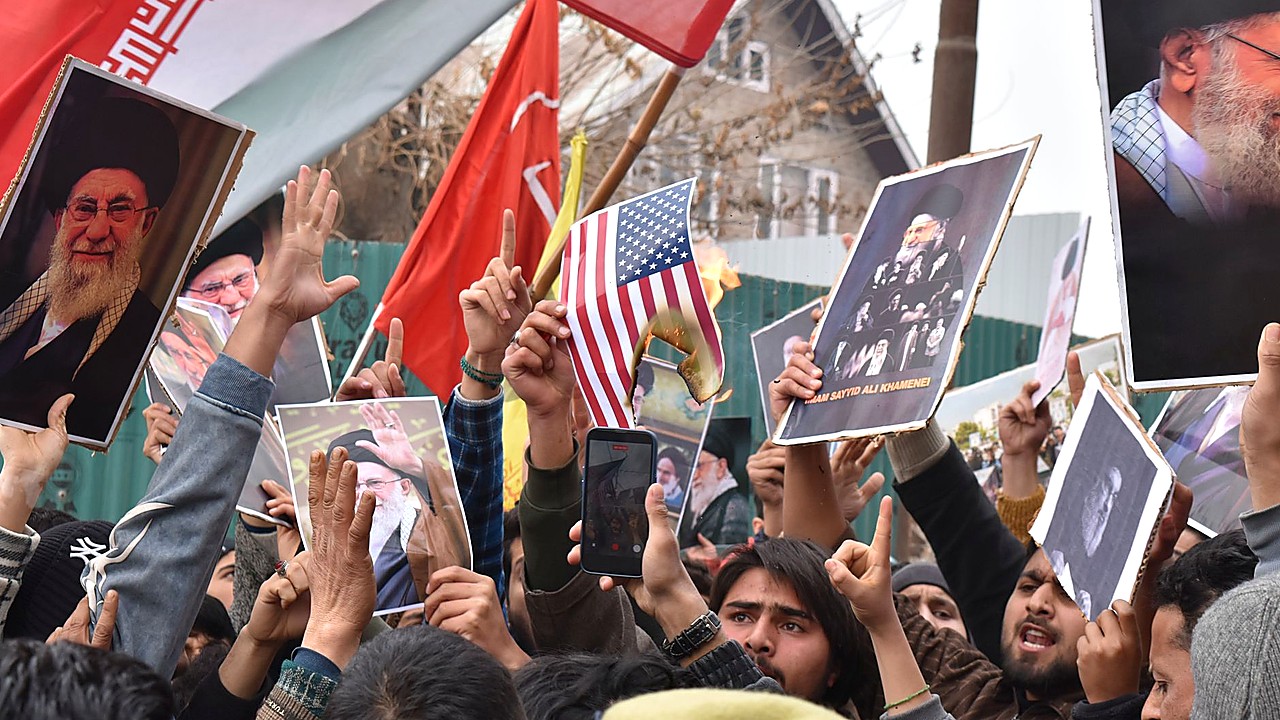
Iran’s supreme leader said he authorized a deal and approved direct talks with the United States, signaling a major shift in how Tehran is handling negotiations with Washington.
The remarks, reported by Axios and other outlets, attributed the decision to Iran’s supreme leader. Separate coverage from Anadolu Ajansı quoted him as saying he had “a different view” on a U.S. deal, while stressing that future talks would not mean accepting what he called the “enemy’s position.” Additional reporting, including a headline from Yahoo, described the comments as an endorsement of direct negotiations with the United States.
The development comes as U.S. officials and media reports point to related actions involving Iran. KCRA cited comments from Vice President JD Vance saying the United States allowed several ships through to Iranian ports. CNBC reported Vance also said the U.S. is not giving Iran “a cent” as he defended a Trump peace deal.
The supreme leader’s approval matters because it addresses one of the central constraints on Iranian diplomacy: major decisions on foreign policy and security are closely tied to the top leadership. When Iran’s highest authority publicly frames direct talks as authorized, it can widen the space for Iranian officials to engage the United States while setting firm political boundaries for what Tehran is willing to accept.
It also matters for Washington. Direct talks can change the pace and format of U.S.-Iran engagement, potentially enabling clearer communication on disputes and any prospective agreements. At the same time, the supreme leader’s insistence that negotiations will not amount to accepting the U.S. position underscores the limits both sides may face as talks proceed.
The comments landed alongside other regional statements. Anadolu Ajansı reported President Donald Trump said he expects a “complete ceasefire on all fronts” in the Middle East, a separate assertion that highlights the broader diplomatic backdrop in which U.S.-Iran contacts would unfold.
What happens next will depend on how the authorization is translated into formal engagement and whether both governments move quickly to establish a direct negotiating channel. The tone and scope of any discussions will also be shaped by the public red lines laid out by Iran’s leadership, as well as the posture described by U.S. officials in recent remarks.
For now, Iran’s top leader has put his name to a deal and to direct talks with Washington, a step that could immediately reshape the way the two longtime adversaries conduct diplomacy.