Lai Says Taiwan Will Not Be Sacrificed In Trump Arms Talks
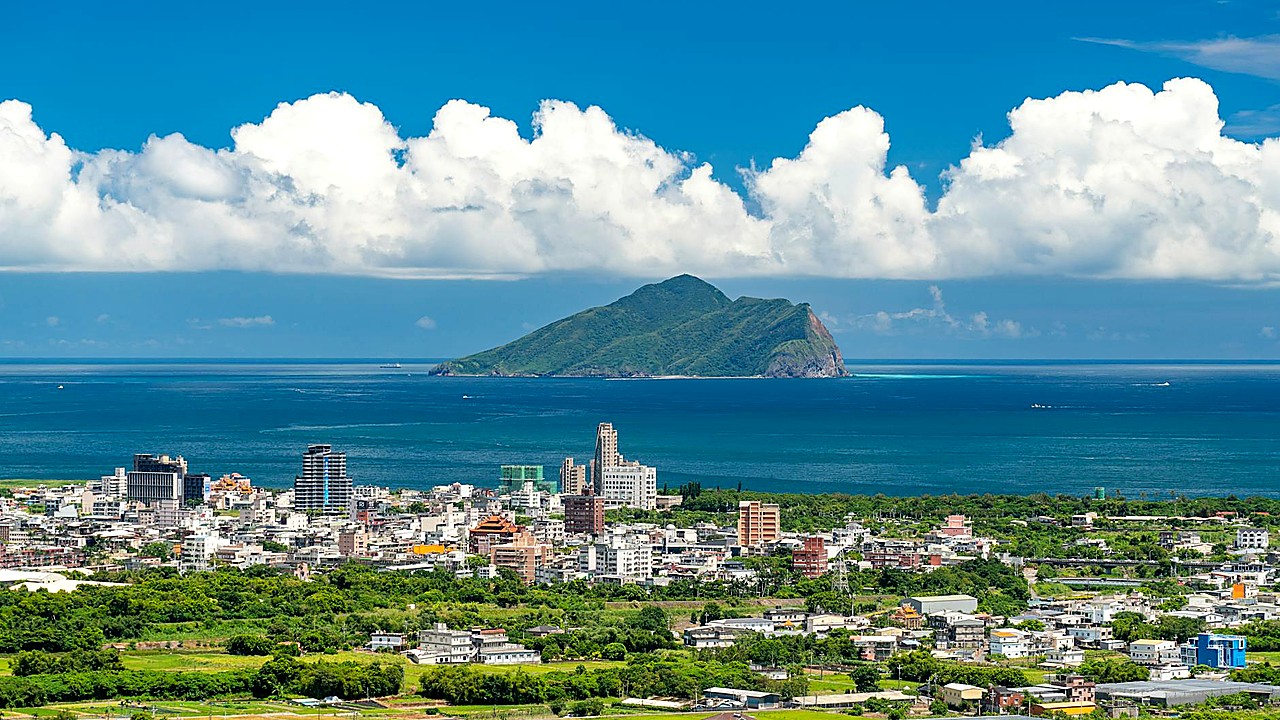
Taiwan President Lai Ching-te said Taiwan will not be “sacrificed” as former President Donald Trump weighs a potential U.S. arms deal involving the island, according to reports carried by international and regional outlets. The remarks come as discussion centers on future U.S. weapons sales and the terms under which Washington might proceed.
Lai’s comments were reported by The Japan Times and Bloomberg, which described his message as a firm public stance on Taiwan’s interests as Trump considers how to approach Taiwan policy and defense cooperation. The reports did not detail where Lai made the statement or whether it was delivered in a formal address, an interview, or a written communication.
The coverage also referenced a possible U.S. arms package valued at $14 billion. Other related reporting cited in recent headlines said Taiwan has defended its purchases of U.S. arms, and that the White House has addressed other major trade-related commitments involving China and U.S. agricultural products through 2028. The separate items underscore how security and trade issues can move in parallel in Washington’s broader approach to the Indo-Pacific.
The development matters because U.S. arms sales are a central feature of Taiwan’s defense planning and of U.S.-Taiwan security ties. Public statements from Taiwan’s president on whether the island’s interests could be traded away signal how Taipei is positioning itself amid uncertain political dynamics in the United States, where policy approaches can shift depending on who is in office and what priorities are emphasized.
Lai’s use of the word “sacrificed” is also a direct assertion of Taiwan’s sovereignty and security concerns at a time when Taiwan remains a focal point in U.S.-China relations. Even without additional details on the contents or status of any prospective package, any suggestion of pausing, advancing, or restructuring weapons sales draws close attention from regional governments and investors because of the implications for deterrence and stability.
For Taiwan, continuing access to U.S. defense equipment is linked to its ability to modernize and maintain readiness. For the United States, arms sales decisions are closely watched as an indicator of commitment, as well as a point of friction with Beijing. Lai’s statement, as reported, is aimed at making clear that Taiwan expects its security needs and political status to be treated as non-negotiable.
What happens next will depend on how the U.S. political process and policy discussions evolve around any arms package and the broader U.S. approach to Taiwan. Taiwan’s government is expected to keep defending its procurement decisions and to continue emphasizing sovereignty in its messaging, while U.S. officials and political leaders weigh their own positions and timelines.
Lai’s message sets a clear benchmark for Taipei: Taiwan intends to be an active party in its own security future, not a bargaining chip.