Monster Wolf Robots Spur Demand After Japan Bear Attacks Surge
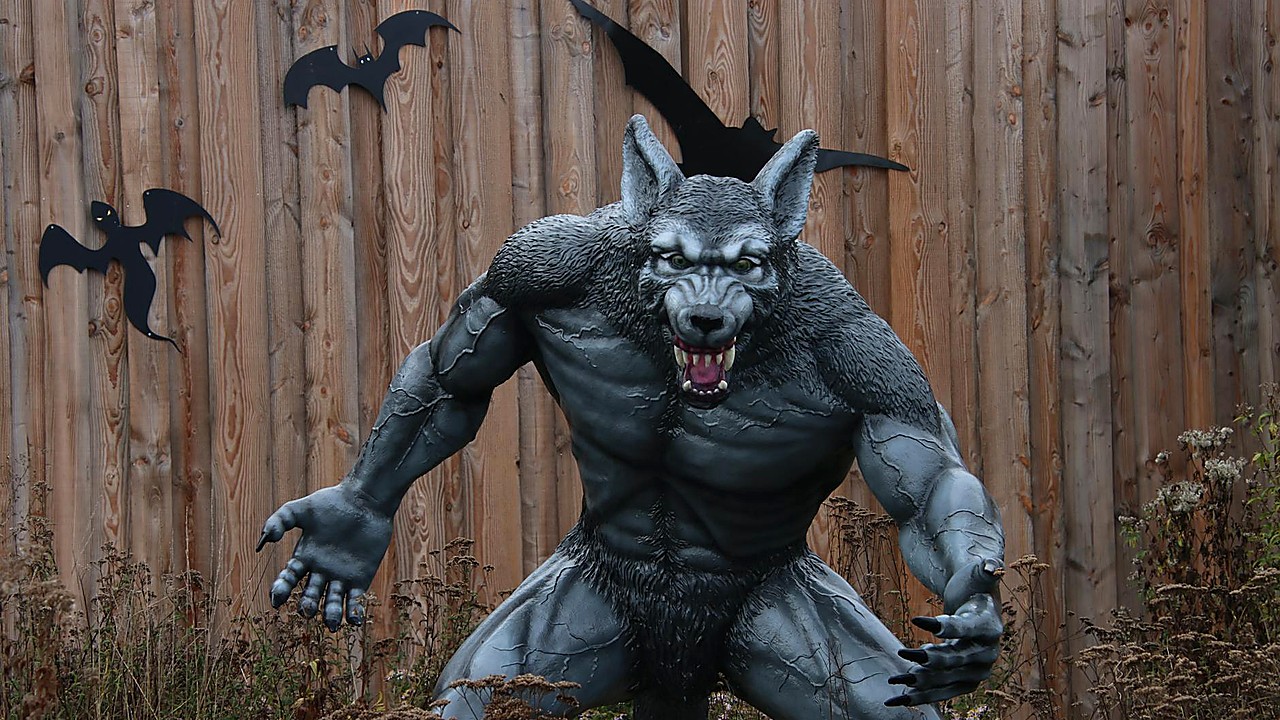
Japanese towns are rushing to buy “monster wolf” robots designed to scare away bears, as the country reports a record number of bear attacks.
The wolf-shaped machines, which resemble large canines with menacing faces, are being deployed in rural areas where bear sightings and encounters have increased. The robots are intended to deter bears from approaching homes, farms, and other populated spaces by startling them and driving them back into the woods.
The devices have drawn attention after reports that demand has surged to the point that suppliers cannot produce them quickly enough. In the latest wave of orders, local governments and communities have sought the robots as a practical tool to reduce the risk of dangerous encounters, especially in areas where traditional deterrents have not been enough.
The development matters because bear attacks can be fatal and can disrupt daily life for residents in affected regions. Communities facing repeated sightings often must weigh public safety against the realities of living near bear habitat. When bears venture into neighborhoods, officials can be forced to restrict outdoor activity, close facilities, and respond repeatedly with patrols and warnings.
Robot-based deterrents have been pitched as one way to add a nonlethal option to the broader safety toolbox. By discouraging bears from approaching people in the first place, the machines aim to reduce the likelihood of close-range encounters that can lead to injury or death.
The record level of incidents has also sharpened the urgency for measures that can be rolled out quickly. In many places, the goal is to prevent bears from becoming habituated to human activity or food sources. A deterrent that can be stationed near fields, roads, and residential edges may offer a visible, immediate response while longer-term strategies are evaluated.
What happens next will depend on how widely the robots are adopted and how consistently they are used in the field. Communities that have ordered the devices will place them in locations where bears have been seen most often, while manufacturers work through backlogs created by the current level of demand.
Officials are also expected to continue tracking bear activity and attacks as the season progresses, using incident reports and local observations to adjust where deterrents are placed. For residents in affected areas, the emphasis remains on reducing risk and keeping bears at a distance.
For now, the “monster wolf” robot has become one of the most sought-after tools in Japan’s efforts to deter bears and protect communities amid an unprecedented number of attacks.