Nvidia Shares Slide Again After Earnings Report And Outlook
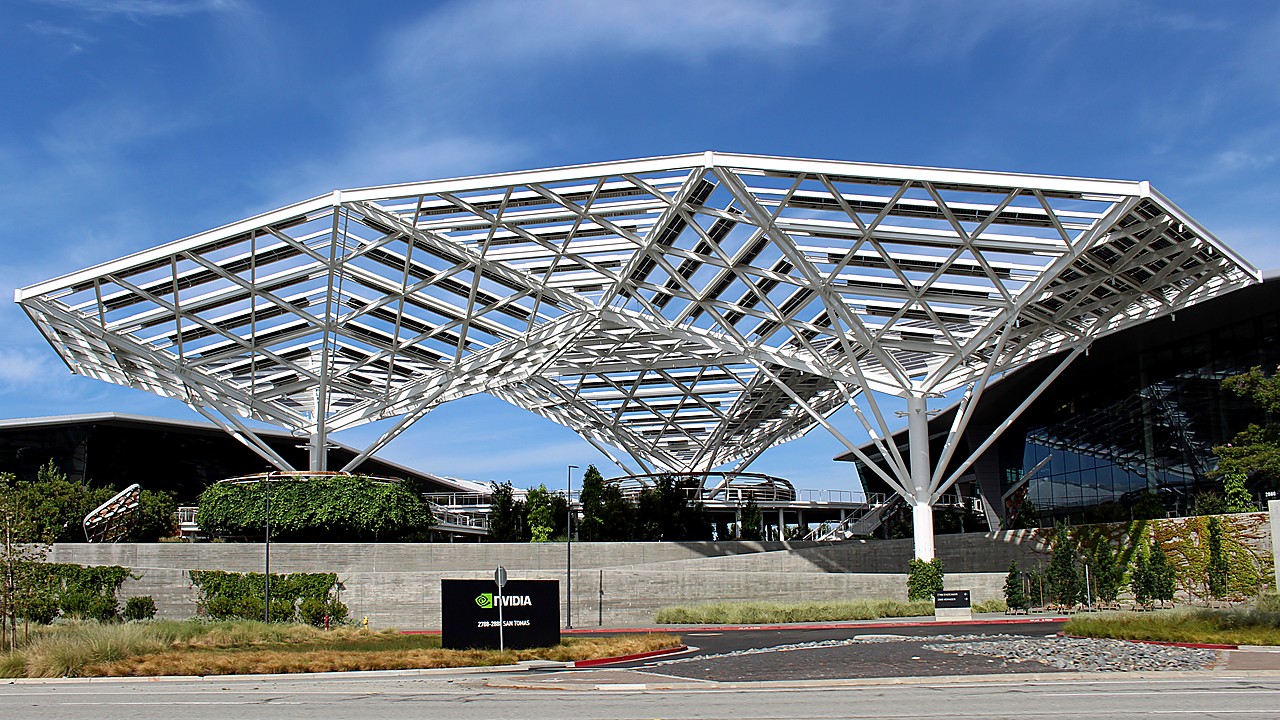
Nvidia shares continued to fall in the sessions following the company’s latest earnings report, extending a post-results decline even after the chipmaker delivered an earnings beat.
The sell-off has kept attention locked on Nvidia, whose stock has been a centerpiece of the market’s artificial-intelligence trade. The move came after the company released quarterly results and held its earnings call, a period when investors typically recalibrate expectations based on fresh financial and business updates.
Nvidia is one of the most closely watched U.S.-listed companies, with its graphics processing units and related platforms widely used in AI computing. As a result, even routine post-earnings repositioning can be amplified, particularly when the company is coming off a period of intense gains and elevated investor focus.
The decline is notable because it followed results that were widely characterized as strong. In the wake of the report, investors and analysts have been parsing the company’s outlook and its exposure to major end markets. Among the issues in focus are Nvidia’s China-related sales and the company’s next major set-piece event, the March GTC conference, which is often used to outline product road maps and strategic priorities.
Market participants also tend to respond quickly to any perceived shifts in the balance between blockbuster recent performance and forward expectations. With Nvidia’s stock treated by many as a bellwether for AI-related spending and broader semiconductor sentiment, the direction of the shares has become a proxy for how investors are viewing momentum across the sector.
The development matters beyond Nvidia’s own market value. Nvidia’s size and its influence within major indexes mean its stock moves can ripple through the broader market. It is also a high-profile test of investor appetite for megacap technology names tied to AI infrastructure, an area that has driven significant market leadership in recent years.
For companies across the chip supply chain, the way investors react to Nvidia’s earnings season can shape sentiment about demand, pricing power, and the durability of AI-related capital spending. A sustained decline can tighten the tone around the group even when business conditions remain strong, while stabilization can reassure investors that expectations are resetting rather than collapsing.
Next, investors will be watching for follow-up commentary and any additional clarity as Nvidia heads toward its March GTC event. That conference is closely monitored for updates on new products, software initiatives, and customer demand signals that can influence expectations for the months ahead.
In the near term, the stock’s performance is likely to remain sensitive to fresh information about the company’s outlook and its exposure to key regions and customers. For now, Nvidia’s post-earnings slide is serving as a reminder that even standout results do not always translate into immediate gains when expectations are already high.