Oil Loading Resumes At Fujairah Port, UAE Media Reports
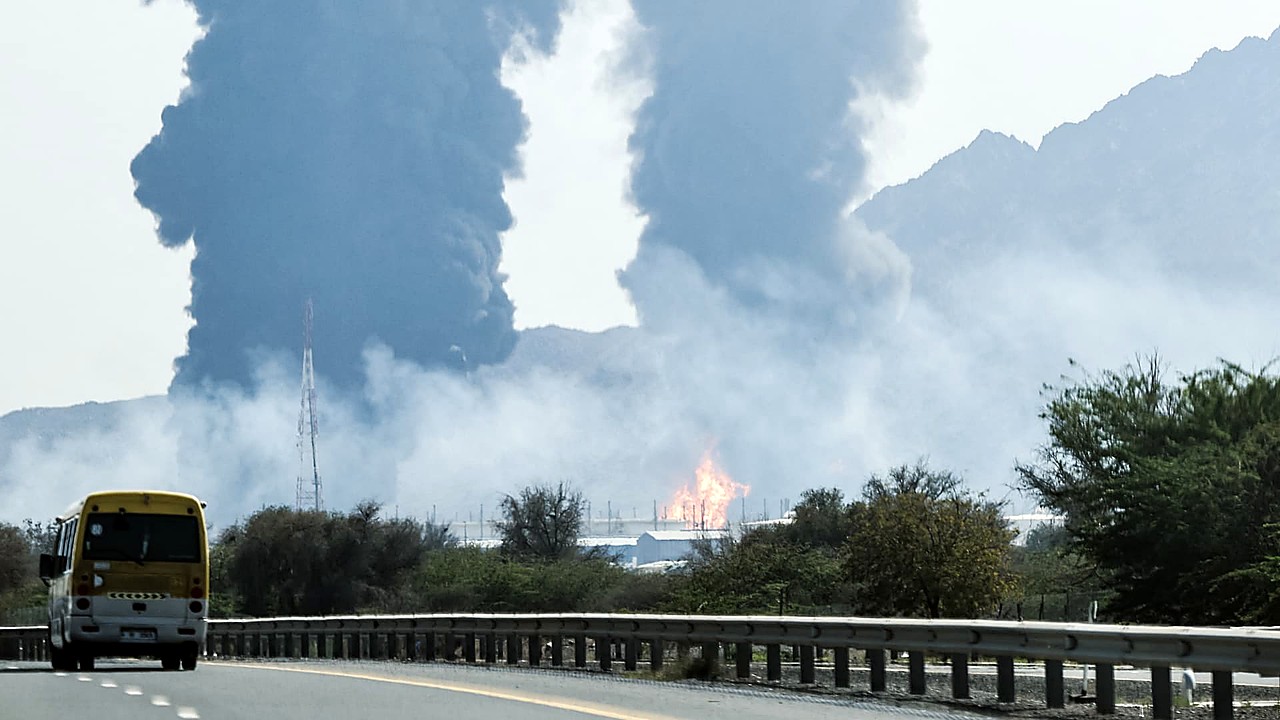
Oil loading operations at the UAE’s Fujairah port have resumed, according to multiple media reports, marking a return to activity at one of the region’s most important energy hubs after a disruption linked to a drone attack and resulting fire.
Reuters reported that oil loading operations had restarted at Fujairah, citing an industry source. CNBC also reported that loadings have resumed. Bloomberg similarly reported that the key UAE port has resumed oil loadings after a drone attack and fire.
Fujairah sits on the UAE’s east coast along the Gulf of Oman and is a major location for oil storage and ship-to-ship transfers, with regular tanker traffic serving regional and global markets. The port’s operations are closely watched by energy and shipping companies because it is used for moving crude and refined products and is positioned outside the Strait of Hormuz.
The resumption of loading operations indicates that port activity has returned to a level that allows cargoes to be moved again. For traders, refiners, and shipping operators, the status of Fujairah matters because it can influence near-term scheduling, vessel availability, and the timing of deliveries.
The reports come after headlines describing a drone attack and fire affecting the port area. Bloomberg’s report explicitly linked the restart to the aftermath of that incident. The wider regional security environment has also remained under international scrutiny, with The Jerusalem Post publishing separate live updates related to the Iran regime and denials about targeting civilians. The Fujairah development adds to the list of operational and security-sensitive issues that energy companies must manage in the Gulf and nearby waterways.
With loadings reportedly restarted, attention will turn to how quickly normal throughput and scheduling are restored across terminals and offshore operations. Shipping market participants will also watch for any changes in port procedures, including possible additional safety checks or restrictions tied to the earlier disruption.
Media reports did not provide detailed, comprehensive figures on volumes being loaded or a full timeline for returning all operations to normal. Reuters cited an industry source in its account, while other outlets echoed the restart based on their reporting.
In the near term, companies with cargoes planned at Fujairah will be focused on confirming berthing windows, coordinating with terminal operators, and ensuring vessels can proceed without further delay. Market participants will also track any official updates from port-related entities and follow-on reporting that clarifies the operational picture.
For now, the key takeaway is that one of the UAE’s most strategically located oil ports is back to loading cargoes, restoring a critical link in regional energy logistics.